
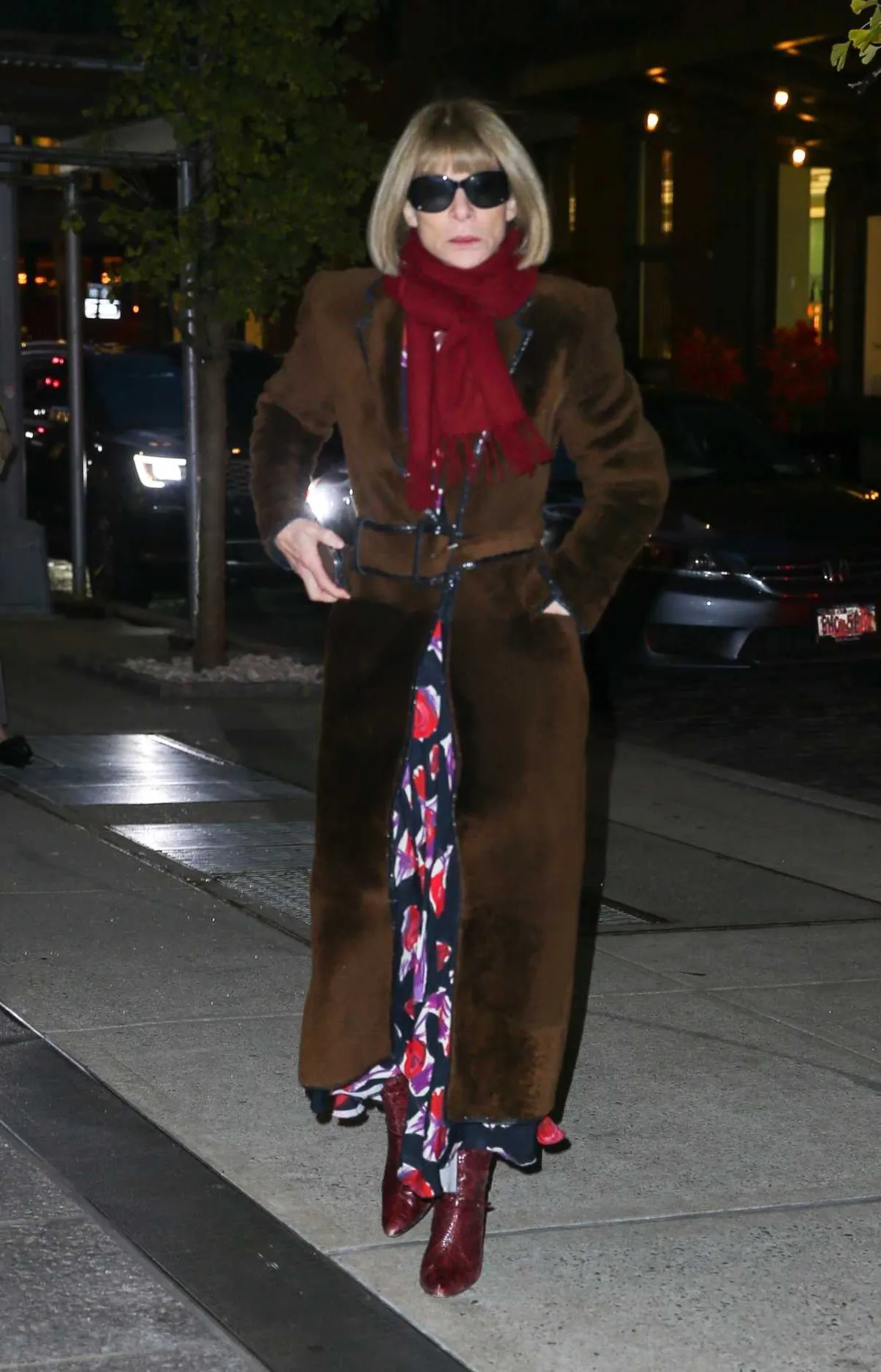
“I found it highly enjoyable and very funny,” Anna Wintour said, reflecting on her experience at the premiere of The Devil Wears Prada 2 on April 20, 2026. This statement marks a remarkable shift for the longtime editor-in-chief of Vogue, who once expressed concern that the original film would paint her in a difficult light.
Wintour’s relationship with The Devil Wears Prada has evolved significantly since its release in 2006, when it was based on Lauren Weisberger’s experiences as her assistant. Initially, she harbored reservations about the film’s portrayal of the fashion industry — particularly how Meryl Streep’s character, Miranda Priestly, mirrored her own persona. Yet now, she acknowledges this cultural overlap with a sense of humor and pride.
The premiere of the sequel was not just another Hollywood event; it was a testament to the enduring legacy of the original film. Meryl Streep’s iconic performance earned her an Academy Award nomination, solidifying her status as a cultural icon. As Wintour stepped back from her role as editor-in-chief after an impressive 37 years, she has continued to exert influence as Vogue’s global editorial director.
Key moments in Wintour’s journey:
- Wintour’s first cover for Vogue featured Israeli model Michaela Bercu in 1988.
- She has been described as having exacting standards and a demanding management style.
- Wintour was often referred to as ‘Nuclear Wintour’ during her time at British Vogue.
This latest chapter is not just about a sequel; it’s about how Wintour has embraced the narrative surrounding her life and career. She even appeared on the cover of Vogue alongside Streep, signaling a newfound camaraderie with the film that once made her uneasy. “It was Meryl Streep, which — fantastic,” she remarked, illustrating her appreciation for the actress’s talent.
As Wintour continues to navigate her post-editorial role, she remains a pivotal figure in shaping the fashion industry’s narrative. The success of The Devil Wears Prada 2 reflects not only changing attitudes toward fashion but also an acceptance of how popular culture can intertwine with personal identity.
The fashion world watches eagerly — how will this embrace affect future projects or collaborations? With Vogue’s sales per issue reaching 1.2 million, Wintour’s influence remains undeniable.