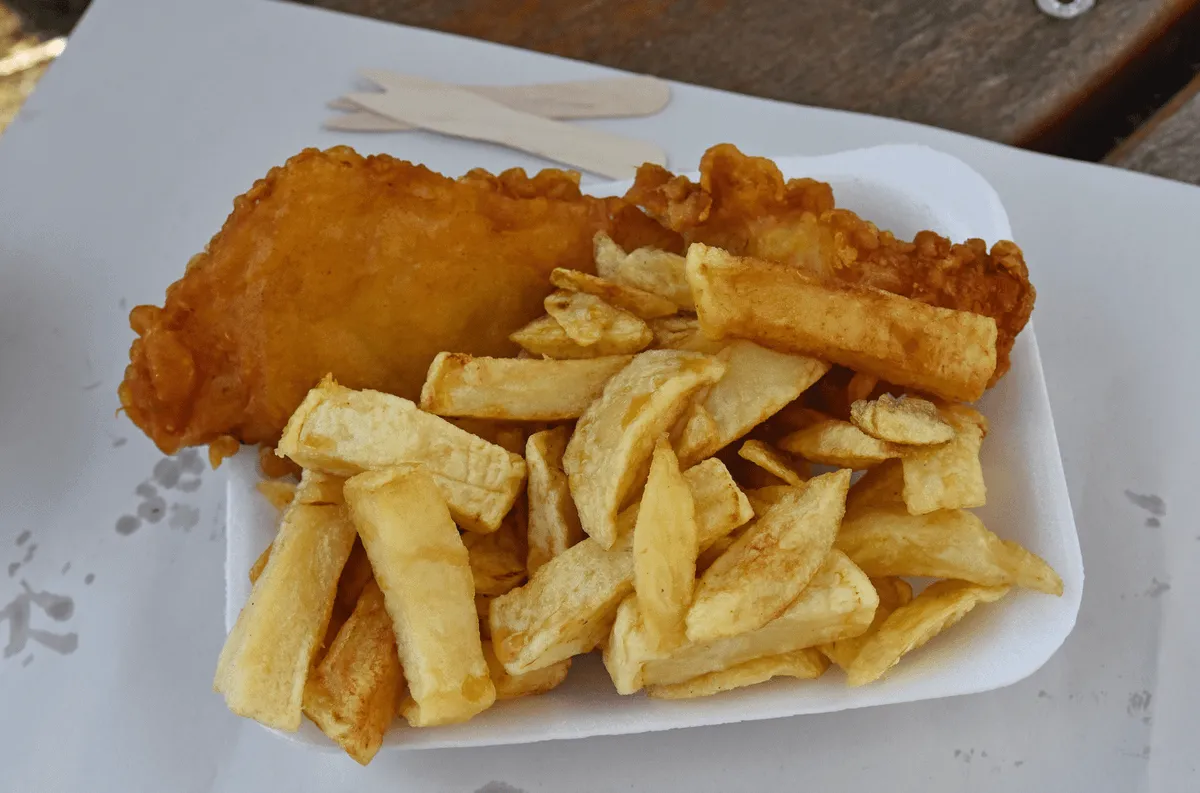
A troubling revelation has emerged from a study: many UK fish and chip shops are misleading customers by selling catfish instead of traditional fish like cod and haddock. This practice not only undermines public trust but also raises significant food safety concerns.
Key findings:
- Some fish and chip shops in the UK are selling catfish without informing customers.
- DNA testing has confirmed that all three takeaways claiming to sell ‘fish’ were actually serving catfish.
- Around 380 million meals are served annually by fish and chip shops in Britain.
This deception is particularly alarming given the growing awareness of invasive species like the blue catfish, which threatens native wildlife in places such as Chesapeake Bay. In Maryland, efforts are underway to control these invasive species through commercial fishing initiatives, including the use of gill nets.
Professor Stefano Mariani commented on the situation, saying, “In my experience with fish and chips, three out of 10 is quite a lot – I don’t recall seeing this level of catfish.” Meanwhile, Andrew Crook emphasized that customers expect marine species like cod or haddock when they order fish and chips.
The Maryland Department of Natural Resources is actively studying the risks associated with gill nets to ensure sustainable practices while attempting to shift public perception regarding blue catfish. Eating this type of fish is considered safe and a good source of protein; however, transparency is vital.
As this issue unfolds, calls for greater regulation are echoing across the industry. Fish and chip shops must list the species of fish on their menus to maintain public trust. The future remains uncertain as officials evaluate how best to address both consumer expectations and ecological concerns.