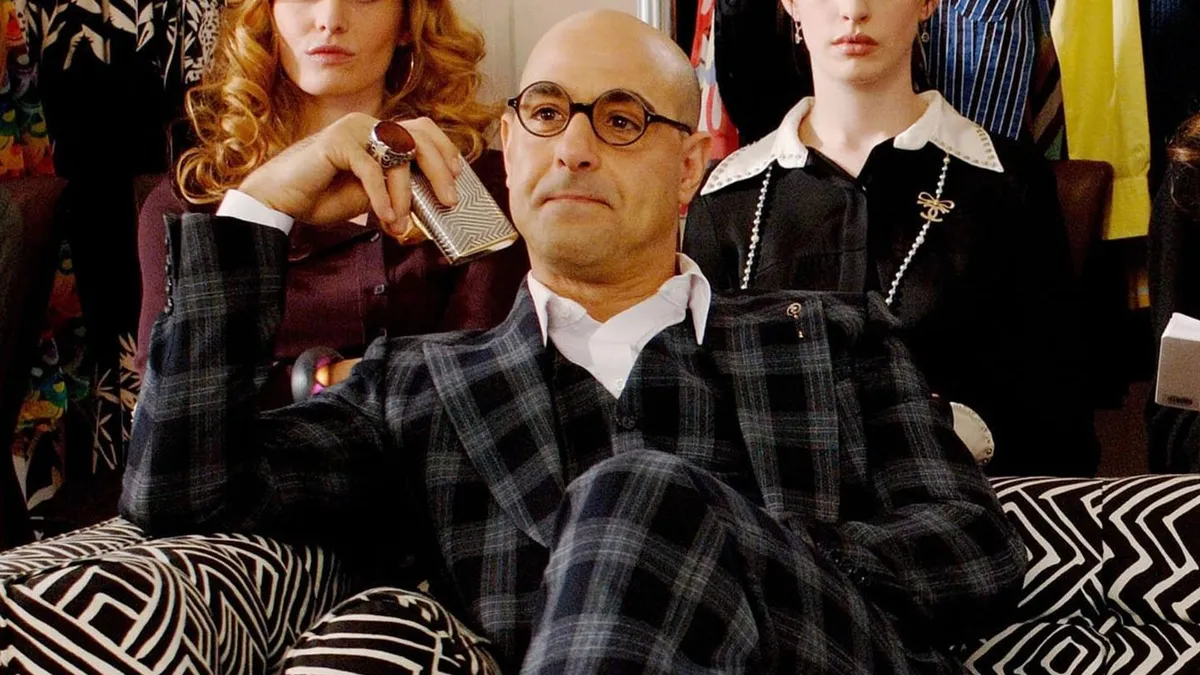
On May 1, 2026, the long-awaited sequel, The Devil Wears Prada 2, will grace the silver screen, reigniting the saga of Miranda Priestly and Andy Sachs. Set against a backdrop of dwindling print media, this film explores the tumultuous relationship between fashion magazines and an increasingly digital audience.
The original film, released in 2006, transformed Meryl Streep into an icon of high fashion as she embodied the formidable Miranda Priestly. Anne Hathaway’s Andy Sachs, initially a fresh-faced assistant, evolved into a symbol of ambition and resilience. Now, two decades later, audiences are eager to see how these characters navigate a world where print is fading.
In this sequel, Andy has blossomed into an award-winning investigative journalist—a stark contrast to her former self. The film introduces new dynamics, including a love interest portrayed by Patrick Brammall. Meanwhile, Emily Blunt returns as Emily Charlton, now entangled with Justin Theroux’s character, Benji Barnes. Notably, David Frankel directs once more, aiming to capture the essence that made the original a cultural touchstone.
Key themes explored in the sequel:
- The impact of venture capitalists on Runway magazine’s future
- The challenges faced by print media in a digital-first world
- A reflection on ambition and its perception in women’s careers
Meryl Streep poignantly remarked, “For young women who pursue a career, it’s always been [the case that] ambition is seen as an unattractive quality in women.” This sentiment echoes throughout the film as it grapples with evolving societal norms and expectations.
Despite excitement surrounding its release, reactions have been mixed regarding the necessity of this sequel. Critics argue that while it revisits beloved characters and offers nostalgic glamour, it may not capture the same magic as its predecessor. Yet for many fans, it provides an opportunity to reconnect with figures who have become entrenched in pop culture.
The original film has solidified its status as a comfort movie over the years—a cinematic balm for those navigating their own ambitions amidst societal pressures. As audiences prepare for The Devil Wears Prada 2, they anticipate not just a continuation of a story but an exploration of how the fashion industry adapts to modern challenges.
As May approaches, anticipation builds around whether this sequel can live up to its iconic predecessor while addressing pressing issues within the fashion world.