The moors of Yorkshire, shrouded in mist and mystery, serve as the haunting backdrop for the 2026 film adaptation of Wuthering Heights, directed by Emerald Fennell. This new interpretation of Emily Brontë’s classic novel has stirred considerable controversy, particularly regarding its casting choices and anachronistic elements that deviate from the original text.
Filming began in early 2025, with Margot Robbie stepping into the role of Catherine Earnshaw and Jacob Elordi portraying Heathcliff. Their casting sparked discussions across social media platforms, where fans of the novel expressed both excitement and skepticism. Critics argue that Robbie, at age 35, does not embody the youthful spirit of Catherine as depicted in the book.
In an interview, Fennell remarked, “What I can say is I’m making a version of it. There’s a version that I remembered reading that isn’t quite real.” This statement encapsulates her vision for a film that aims to resonate with a contemporary audience while navigating the delicate balance between fidelity to Brontë’s narrative and creative liberties.
As the release date approaches, anticipation mounts—yet so does criticism. The film includes scenes depicting themes such as masturbation and sadomasochism, which are notably absent from the original text. This shift towards explicit content has left many wondering whether such choices enhance or dilute the essence of Brontë’s Gothic fiction.
Key facts about the adaptation:
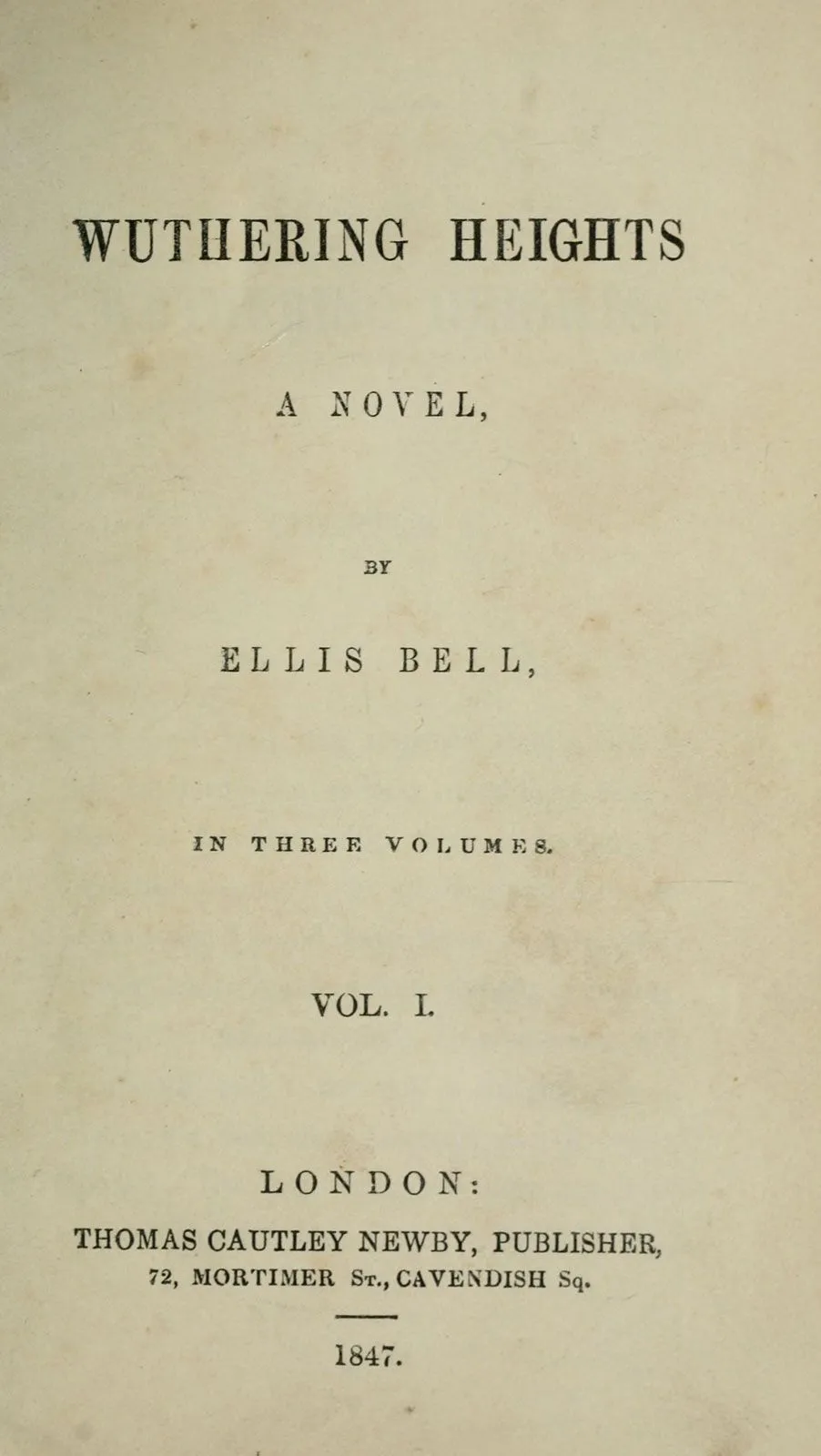
- Emily Brontë published Wuthering Heights in 1847 under the pseudonym Ellis Bell.
- The novel centers on the tumultuous relationship between Catherine Earnshaw and Heathcliff.
- The 2026 adaptation has already grossed over $240 million at the global box office.
The film’s commercial success is undeniable; however, many fans remain divided on its artistic merit. David Rooney described it as “Wuthering Heights for the Bridgerton generation, guaranteed to moisten tear ducts and inflame young hearts.” This juxtaposition highlights the potential for a broad appeal while risking alienation among purists who cherish Brontë’s work.
Amidst this fervor, one cannot overlook how Brontë’s original work was initially dismissed by critics as “immoral” and “vulgar.” Perhaps history is repeating itself—this new adaptation challenges conventions yet again. As debates continue to swirl around its content and choices, it raises an essential question: Can a story steeped in tragedy find new life through modern retelling?
Ultimately, this adaptation reflects not just a reinterpretation of a classic but also a cultural moment—a reflection of changing societal norms regarding storytelling. The legacy of Wuthering Heights endures as audiences grapple with its themes of love and revenge, even as filmmakers navigate their interpretations through contemporary lenses.