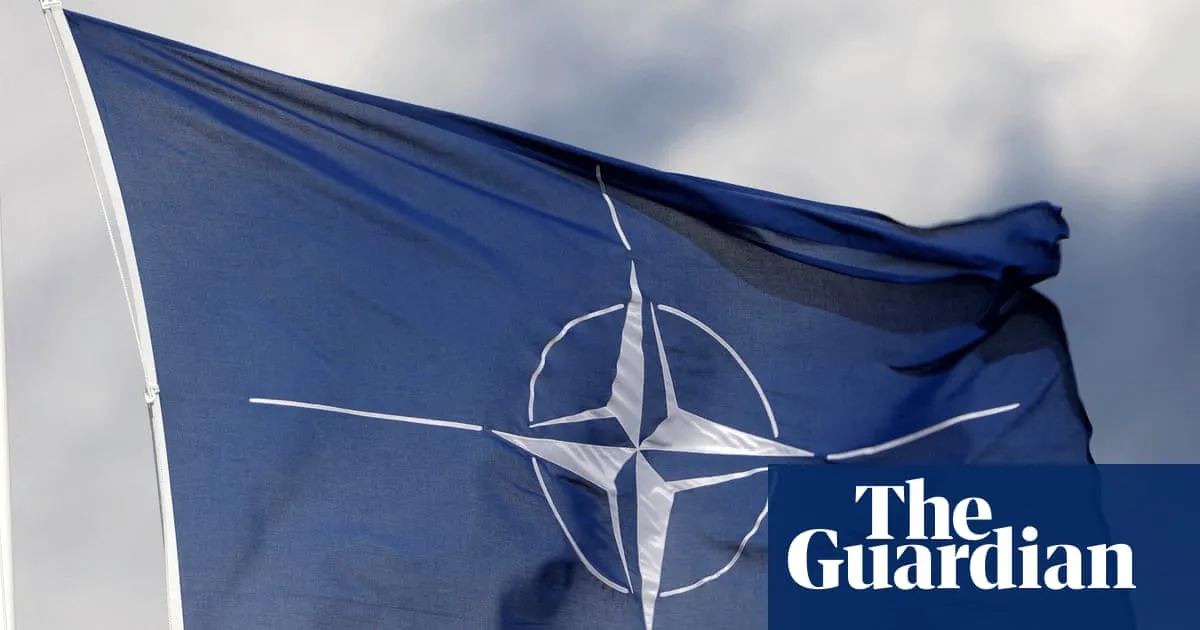
Nato’s recent initiative to engage with the film industry has ignited a firestorm of debate: is this a genuine effort to foster dialogue or merely a veiled attempt at propaganda? The military alliance is holding closed-door meetings with film and TV professionals across Europe and the US, raising eyebrows among artists and critics alike.
Key facts:
- Nato has conducted three meetings with film and TV professionals, focusing on security issues.
- Defence spending in Ireland has surged to record levels since the Russian invasion of Ukraine.
- An Ipsos poll revealed that 49% of voters in the Republic of Ireland oppose joining Nato.
The planned meeting in London, set against the backdrop of an evolving security landscape, aims to discuss how storytelling can influence public perceptions on defence issues. Alan O’Gorman, a prominent voice in the Writers’ Guild of Great Britain, denounced the initiative as “outrageous and clearly propaganda.” He elaborated, stating, “A lot of people, myself included, have friends and family or themselves come from countries that are not in Nato, that have suffered under wars that Nato has joined and propagated.” This sentiment echoes a broader unease among creatives who fear their work could be co-opted for political ends.
Supporters within Nato argue that engaging with artists can help build public support for increased defence spending. They contend that fostering relationships with screenwriters and filmmakers could lead to narratives that resonate more deeply with audiences. A spokesperson for the Writers’ Guild noted that the invitation extended to screenwriters was framed as an opportunity for a two-way conversation about security policy.
Yet, as these discussions unfold, questions linger about the true motivations behind them. Is it possible that Nato’s outreach is less about collaboration and more about control? Critics remain skeptical. As this saga continues to develop, one thing is certain: the intersection of art and politics will remain fraught with tension.