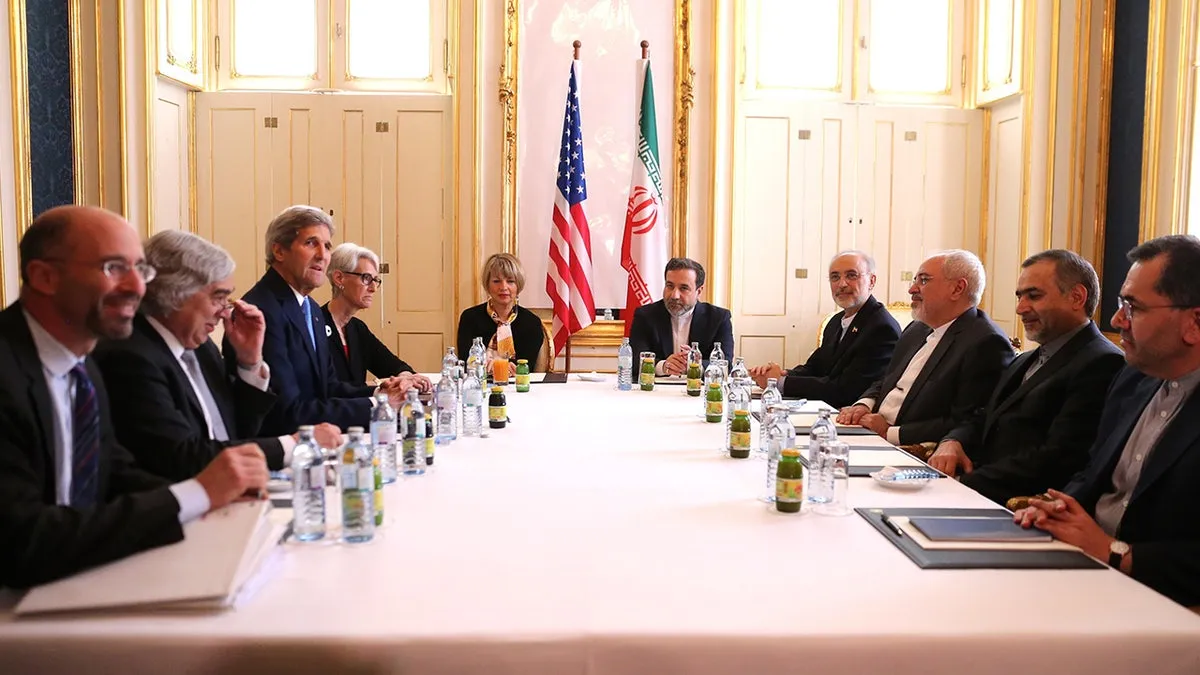
“I will soon be reviewing the plan that Iran has just sent to us, but can’t imagine that it would be acceptable in that they have not yet paid a big enough price for what they have done to Humanity, and the World, over the last 47 years.” This stark warning from Donald Trump encapsulates the precarious state of negotiations between the United States and Iran as tensions simmer just beneath the surface.
Iran has recently submitted a 14-point plan through Pakistani mediators, aiming to chart a path toward peace. The proposal calls for lifting the U.S. naval blockade and includes demands for war reparations along with the release of frozen assets. However, Trump’s reaction was far from welcoming, expressing dissatisfaction with several aspects that he deemed unacceptable.
The backdrop to this diplomatic dance is a ceasefire that has held since April 7—three weeks of uneasy calm overshadowed by looming threats. Trump’s warnings about potential air strikes if Iran “misbehaves” illustrate how fragile this truce remains. The clock is ticking; Iranian officials are hopeful that an agreement could be reached before Trump’s scheduled summit with Xi Jinping on May 14 and 15.
Key aspects of Iran’s proposal:
- The lifting of the U.S. naval blockade in the Strait of Hormuz.
- War reparations to be paid by the United States.
- The immediate release of all frozen Iranian assets.
- A 30-day window to finalize terms of peace.
This proposed timeline clashes with Washington’s preference for a more extended negotiation period, raising questions about its viability. Trump’s administration has made it clear that failure to progress in talks could lead to a return to hostilities—an unsettling prospect given recent history.
The U.S. Treasury has also issued stern warnings: shipping companies engaging with Iran may face sanctions if they continue paying tolls in these turbulent waters. As back-channel diplomacy continues through Pakistan, uncertainty looms over how both nations will navigate this complex landscape.
Yet, as Tahir Andrabi remarked, “The clock on diplomacy has not stopped.” With both sides entrenched in their positions, any movement will require significant concessions. The world watches closely as this high-stakes negotiation unfolds against a backdrop of geopolitical tension and historical grievances.