
English Football Trials New Goalkeeper Rule
English football is set to implement a trial designed to address the issue of goalkeepers taking tactical timeouts during matches. The measure has been agreed upon by various bodies, including the Football Association, Premier League, English Football League, National League, and Women’s Super League, with approval from the International Football Association Board (Ifab).
The trial aims to deter goalkeepers from feigning injury to disrupt play or allow coaches to deliver tactical instructions. Under the new rule, if a referee signals for a physio to treat a goalkeeper, the team’s coach will have 10 seconds to nominate an outfield player to leave the pitch for one minute after play restarts. If no player is chosen within this timeframe, the captain must leave the field instead.
Pro Ref, led by chief refereeing officer Howard Webb, engaged in discussions with the leagues to develop this approach. The first match to feature this trial will be the Carabao Cup preliminary round tie between Tranmere and Rochdale on Saturday.
Addressing Tactical Stoppages
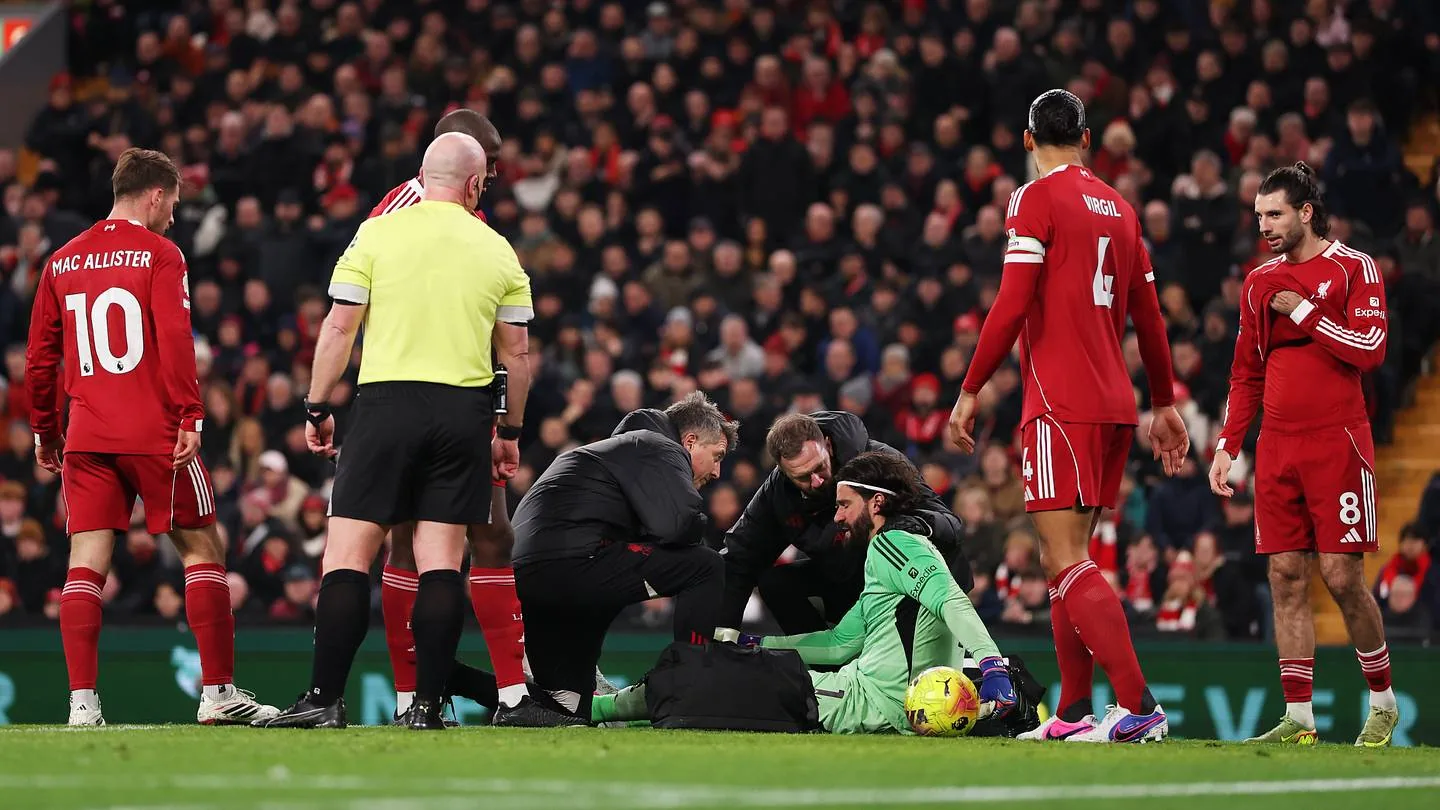
The practice of goalkeepers seeking treatment to create a stoppage has become increasingly common. This often involves the goalkeeper sitting on the turf, prompting other players to gather in the technical area for a team talk before the goalkeeper quickly recovers.
One notable instance occurred in November when Leeds United boss Daniel Farke accused Manchester City goalkeeper Gianluigi Donnarumma of feigning injury during a Premier League match. Farke suggested that the action was taken to break up play and give City‘s manager an opportunity to speak with his players.
The new trial follows the logic applied to outfield players, who are required to leave the field for one minute if they receive on-pitch treatment. The intention is for this measure to act as a deterrent, particularly in the final minutes of games when teams might use a goalkeeper’s ‘injury’ to kill momentum.
While officials will not prevent players from going to the touchline during a goalkeeper’s treatment, the prospect of playing with 10 players for a minute is expected to discourage tactical stoppages unless an injury is genuine. Ifab had previously indicated its intention to address these tactical timeouts at its annual general meeting in February.
Exceptions and Future Implications
There are several exceptions to the new rule where a team-mate will not be required to leave the field. These include:
- If the goalkeeper states they do not need a physio and have not caused play to stop.
- If the goalkeeper and an outfield player have collided.
- If the goalkeeper is fouled and requires immediate treatment.
- If the goalkeeper is bleeding.
- If there is a serious injury, such as one requiring a substitution, or a concussion.
If the goalkeeper is substituted, the substitution will not be delayed. Concerns have been raised that this requirement could lead to players attempting to play on with an injury to avoid their team being temporarily reduced to 10 players.
The Australian A-League will also trial a variation of this rule, where the captain will always be the player to leave the field. The results of these trials will be evaluated by Ifab during its meetings throughout the seasons, potentially leading to a permanent global law change from the 2027-28 season.
The trial will be implemented across various English competitions, including the FA Cup, Carabao Cup, EFL Championship, League One, League Two, and the National League.
Source: bbc.co.uk