
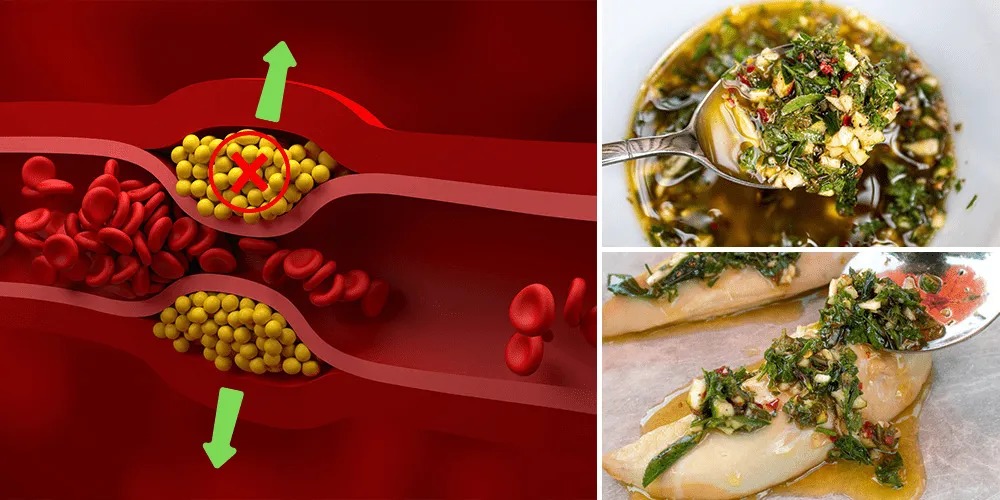
For decades, the medical community has grappled with cholesterol’s complex role in cardiovascular health. Traditional wisdom held that lowering low-density lipoprotein (LDL) levels was the key to preventing heart attacks and strokes. Doctors prescribed statins like candy, believing they were the panacea for high cholesterol. But new research is challenging this narrative—pharmaceutical companies are now betting on a lesser-known form of cholesterol, lipoprotein(a), or Lp(a), to develop potentially blockbuster heart drugs.
Lp(a) was first discovered in 1963, yet it remained largely overlooked until recent years. Elevated levels of this variant increase the risk of heart attacks more than twofold compared to those without high levels. What’s startling is that an estimated one in five people worldwide have elevated Lp(a). Despite its prevalence, less than 1% of adults in the U.S. were tested for it in 2024—a glaring oversight in preventative healthcare.
But change is on the horizon. Major pharmaceutical players like Novartis, Amgen, and Eli Lilly are now in late-stage trials for drugs designed to lower Lp(a) levels. Their experimental therapies have shown promise, slashing Lp(a) by more than 80%. Novartis’ pelacarsen aims to tackle this elusive target directly, while Lilly’s lepodisiran is expected to yield data from its Phase 3 trial by 2029. As Dr. Steve Nissen puts it, “We hope at least one of them ends up in the back of the net.” The stakes couldn’t be higher—these developments could reshape how cardiologists approach treatment for cardiovascular disease.
The urgency of these trials is underscored by the stark reality of cardiovascular health today. Heart attacks remain a leading cause of death globally, and many patients continue to suffer despite conventional treatments. If successful, these new therapies could not only save lives but also generate an estimated $5.6 billion in annual sales by 2032—a lucrative incentive for pharmaceutical companies.
Yet uncertainties loom large. The exact levels of Lp(a) that need to be lowered to prevent heart attacks remain unknown, and timelines for results have shifted due to slower-than-expected occurrences of heart attacks among trial participants. As Asad Haider notes, “That’s why this Novartis trial is going to be so important in how people think about the unlock.” The outcome could redefine our understanding of cholesterol management.
Experts are cautiously optimistic about this pivot toward Lp(a). Jay Bradner emphasizes that “the clarity of the signal from population genetics and the encouraging signs from earlier trials render this a very smart bet.” Indeed, as researchers delve deeper into genetic links and biomarkers associated with cardiovascular risks, we may uncover new pathways for intervention.
This evolving landscape presents both hope and caution for patients and healthcare providers alike. With the potential for innovative treatments on the horizon, it is essential that healthcare systems adapt quickly—ensuring that testing for Lp(a) becomes standard practice rather than an afterthought.
As pharmaceutical companies invest heavily in these new avenues for treatment, one thing is clear: the future of cardiology may very well hinge on our understanding—and management—of cholesterol’s lesser-known cousin.