
“May Day is a vivid reminder that working-class politics is not a spectator sport,” declared Paul Novak, General Secretary of the TUC, as he stood before an enthusiastic crowd at the annual Leeds May Day march. This year, the event took place against a backdrop of increasing global challenges to public services and workers’ rights.
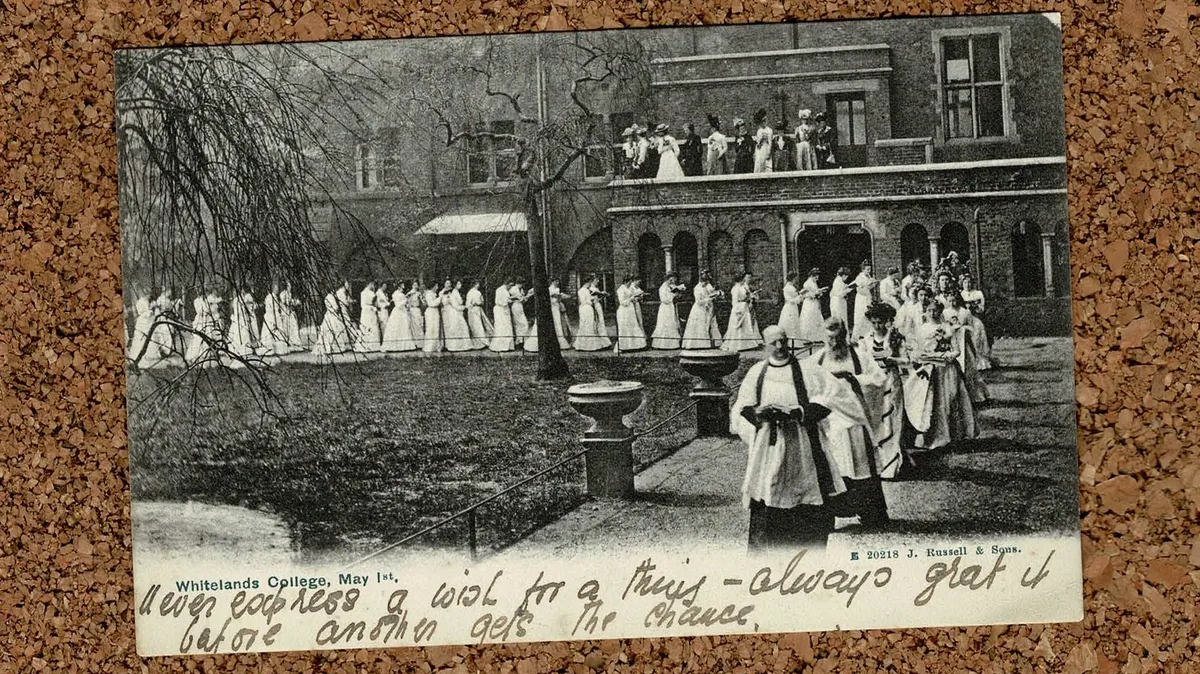
On this vibrant spring day, the streets of Leeds filled with colorful banners and the rhythmic chants of union members and supporters. The atmosphere buzzed with energy as May Queens danced around maypoles, symbolizing the intertwining of tradition and activism. Speakers, including Jane Aitchison and Richard Burgon MP, took to the stage to address the urgent need for solidarity among workers in light of ongoing austerity measures.
The roots of May Day stretch back to ancient Roman and Celtic traditions, celebrating renewal and community. Yet today, it has evolved into a powerful platform for advocating social justice. The Leeds TUC organized this event in collaboration with Stand Up To Racism, emphasizing the importance of unity in diversity as they rallied against discrimination and inequality.
As Khady Diaga, a community health worker, passionately stated: “You can fire me if you want, but I will not stop asking for better pay, and I will continue to encourage my colleagues to do the same.” Her words resonated deeply with many present; they highlighted the struggles faced by those on the frontlines of public health—a sector that has endured significant strain during recent years.
Key statistics from recent labor movements:
- 27,000 community health workers in South Africa fought for integration into their public health workforce.
- Fórsa recruited 60,000 new members since 2018, including 10,000 in just 2024 alone.
- UNISON reported a net growth of 20,000 members last year.
The Leeds May Day march serves as both a celebration of past victories and a clarion call for ongoing struggles. As speakers outlined plans for future conferences—like the Public Service Fightback conference scheduled to take place in Spain this September—the commitment to advancing workers’ rights remained palpable.
This year’s event was not merely about marching; it was about building momentum within communities. Participants left inspired to continue advocating for essential public services that benefit everyone. With rising membership numbers across unions like PSI—growing by 270,000 last year—it’s clear that collective action remains vital.
The echoes of drums and voices filled the air long after the speeches concluded. As people dispersed into the evening light, they carried away not just memories of a day well spent but also renewed determination to fight for their rights and those of future generations.