
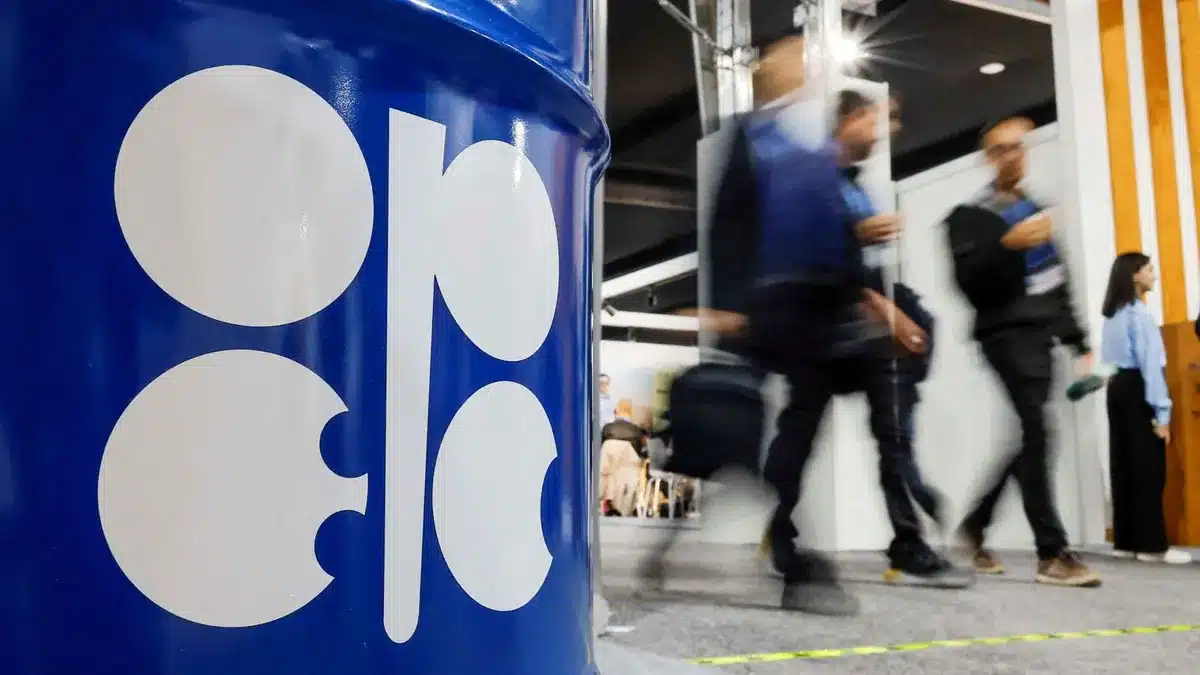
On April 28, 2026, the United Arab Emirates announced its exit from OPEC, a move that reverberates through the energy market and is perceived as a victory for Donald Trump amidst soaring global oil prices.
The UAE, a member since its formation in 1971, has long been a key player in OPEC. Its departure marks a significant shift for the cartel, especially as it grapples with rising Brent crude oil prices that have recently peaked at $119.50 per barrel due to the ongoing Iran war.
In recent months, tensions have escalated in the Gulf region. The UAE criticized fellow Arab states for not providing adequate protection against Iranian attacks, which have threatened the stability of crude oil exports through the vital Strait of Hormuz—where a fifth of the world’s oil passes.
Donald Trump has been vocal about his views on OPEC, accusing it of artificially inflating oil prices. This sentiment resonates with some Gulf producers who feel increasingly vulnerable amid geopolitical strife.
Key facts about UAE’s exit:
- The UAE has quit OPEC, effective Friday.
- The country joined OPEC in 1967 and remained a member after its formation in 1971.
- This exit represents a notable shift in the dynamics of OPEC.
Anwar Gargash, a prominent political figure in the UAE, stated that while Gulf Cooperation Council countries supported each other logistically, their political and military support has historically been weak. He expressed surprise at this lack of solidarity within the Gulf Cooperation Council regarding collective defense against Iranian aggression.
As this pivotal moment unfolds, analysts are left to ponder its implications on both regional stability and global energy prices. With rising tensions and fluctuating oil markets, stakeholders across the globe will be closely monitoring how this departure reshapes alliances within OPEC+ and impacts crude oil exports moving forward.