
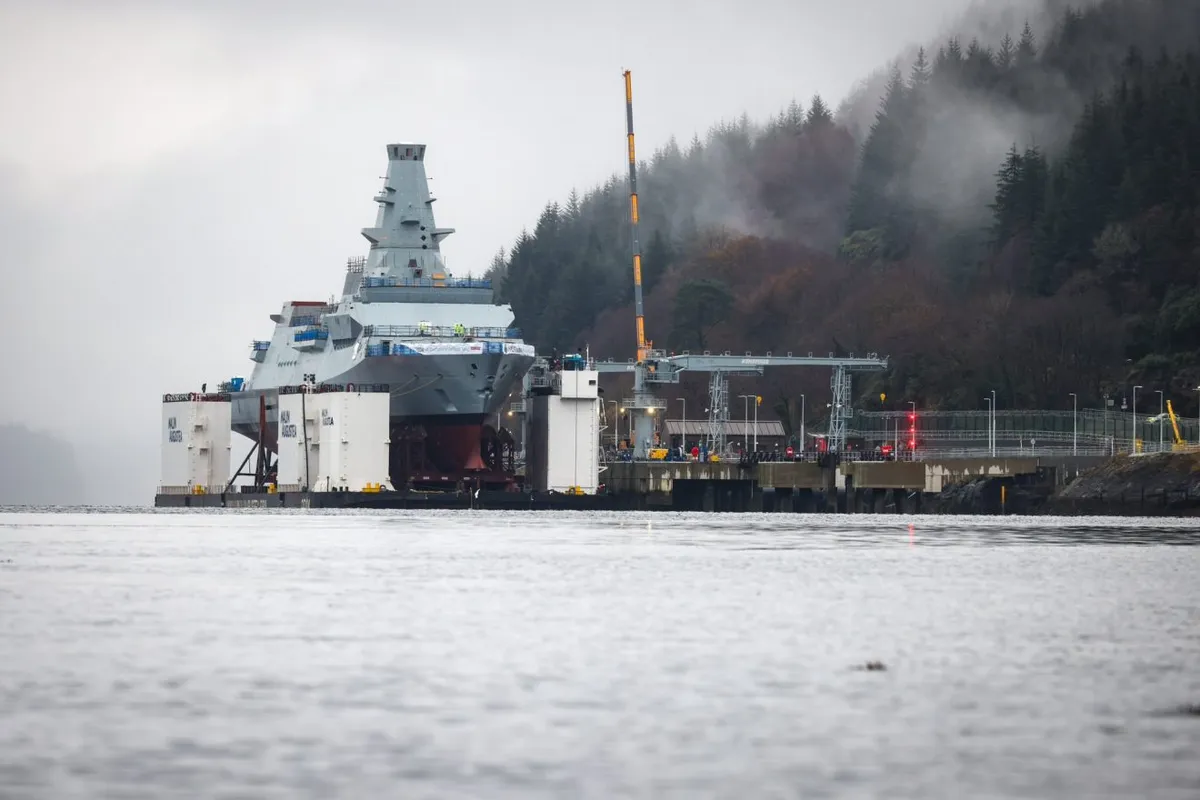
Norway’s formal entry into the Type 26 frigate programme on April 27, 2026, heralds a new chapter for NATO’s naval capabilities in the Atlantic. The Royal Norwegian Navy has committed to acquiring five Type 26 frigates, a move that not only strengthens its own maritime prowess but also enhances collective security among allied nations.
As part of the Global Combat Ship User Group—comprising the UK, Canada, and Australia—Norway aims to bolster anti-submarine warfare operations. This group oversees the development and operation of up to 34 warships across these four nations. Each vessel is intricately designed for complex maritime threats, ensuring that NATO remains a formidable force against potential adversaries.
The announcement came amid growing concerns over regional security dynamics. Commodore Stephen Roberts remarked, “Our strategic maritime security partnership with allies is further strengthened by Norway’s inclusion in the wider GCS enterprise alongside our Canadian and Australian partners.” This sentiment underscores a commitment to unified defense strategies.
Norwegian Type 26 frigates will operate alongside the Royal Navy’s eight vessels, including HMS Glasgow, which is set to lead this new fleet into service later this decade. The integration of these ships is expected to enhance joint operations and interoperability among NATO forces.
Yet, uncertainties loom. The official allocation of eight Type 26 frigates to the Royal Navy remains uncertain due to potential budgetary issues. This financial unpredictability could impact timelines and operational readiness.
Captain Alexander Erichsen expressed pride in Norway’s new role: “It is an honour for Norway and the Royal Norwegian Navy to join the Global Combat Ship User Group and formally enter the wider Type 26 community.” His words reflect a deep commitment to collaborative defense initiatives.
In recent years, Norway has taken significant steps toward closer military integration with its allies. This latest decision follows the Lunna House Agreement signed in December 2025, which aimed at enhancing collective defense mechanisms within NATO.
The development of these advanced frigates signals a renewed focus on maritime security as geopolitical tensions escalate globally. With anti-submarine warfare as a primary design feature, these vessels are poised to play a crucial role in safeguarding vital sea lanes.
As NATO continues to adapt to emerging threats, Norway’s entry into the Type 26 programme stands as a testament to its commitment to regional stability and collective defense. The implications for NATO naval power are profound—this partnership reinforces existing alliances while preparing for future challenges in an unpredictable world.