
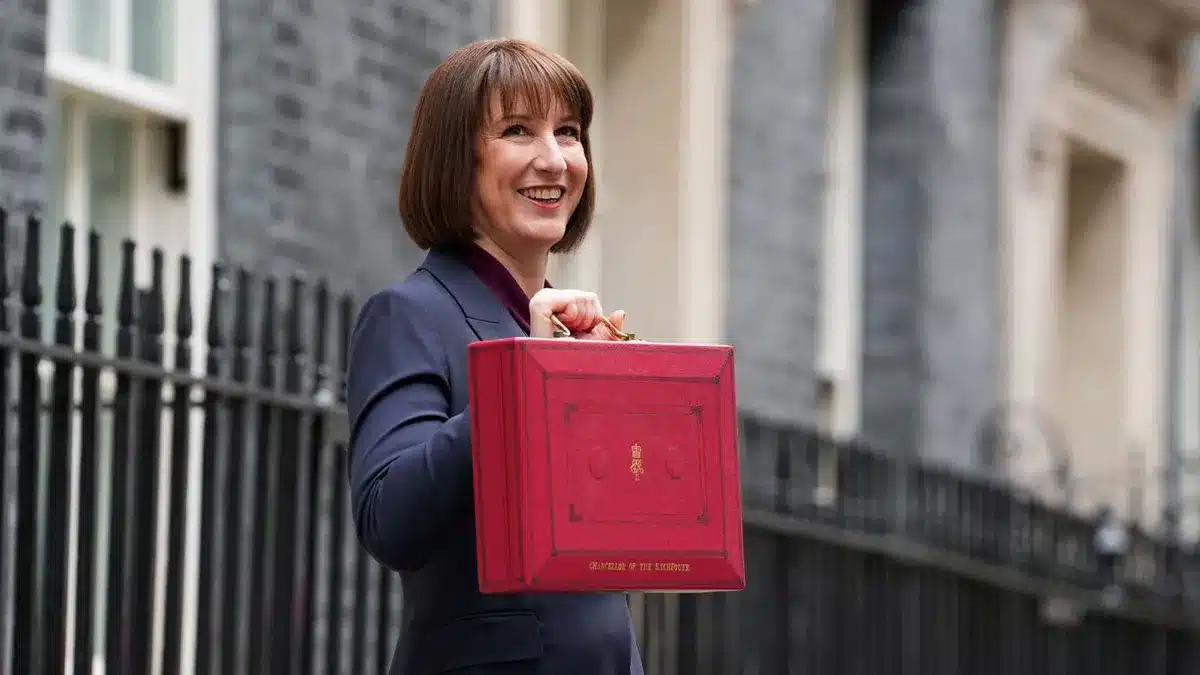
Rachel Reeves has confirmed significant tax changes that will affect millions in the United Kingdom, including a new charge for certain cars and increased taxes on savings and rental income starting on 6 April 2027. These adjustments are poised to reshape the financial landscape for everyday citizens, particularly impacting those with savings and property investments.
The upcoming tax reforms arise from a broader strategy to address fiscal challenges and ensure a fairer taxation system. With the government facing pressures to generate revenue while supporting public services, these changes aim to redistribute financial burdens more equitably across different income levels.
Key details of the tax changes:
- The cash Isa limit will be reduced from £20,000 to £12,000 for individuals under 65.
- Income tax rates on savings and rental income will increase by 2 percentage points.
- Basic-rate taxpayers will pay 22%, higher-rate taxpayers will pay 42%, and additional rate taxpayers will incur 47% on interest or property income.
- The threshold for Making Tax Digital will decrease from £50,000 to £30,000.
Additionally, vehicle owners should brace for new charges under the Vehicle Excise Duty (VED). Starting from April 2026, certain cars will incur a charge of £410, while petrol and diesel vehicles emitting over 255g/km registered after April 1, 2026, will face costs of £5,690. Notably, classic cars built before January 1, 1986, will no longer pay VED but must still be taxed.
This shift in taxation is raising eyebrows among financial experts. Jason Hollands from Evelyn Partners remarked, “In a higher-tax environment, how you structure your savings will become even more important than it is now.” Meanwhile, landlords are reassessing their positions as they navigate these new financial realities. Clare Stinton from Hargreaves Lansdown noted that “the countdown is on” as individuals prepare for the impending changes.
The implications of these reforms are profound. As Kenneth Rowson stated regarding VED: “It has nothing to do with road tax and is just another tax imposed on motorists which goes into the general tax pot.” This perspective highlights growing discontent among taxpayers who feel burdened by increasing fees and taxes.
The landscape ahead remains uncertain as further developments unfold. The government’s ability to implement these changes effectively could shape public response and compliance. Financial analysts continue to monitor how these adjustments might influence taxpayer behavior and investment strategies moving forward.