
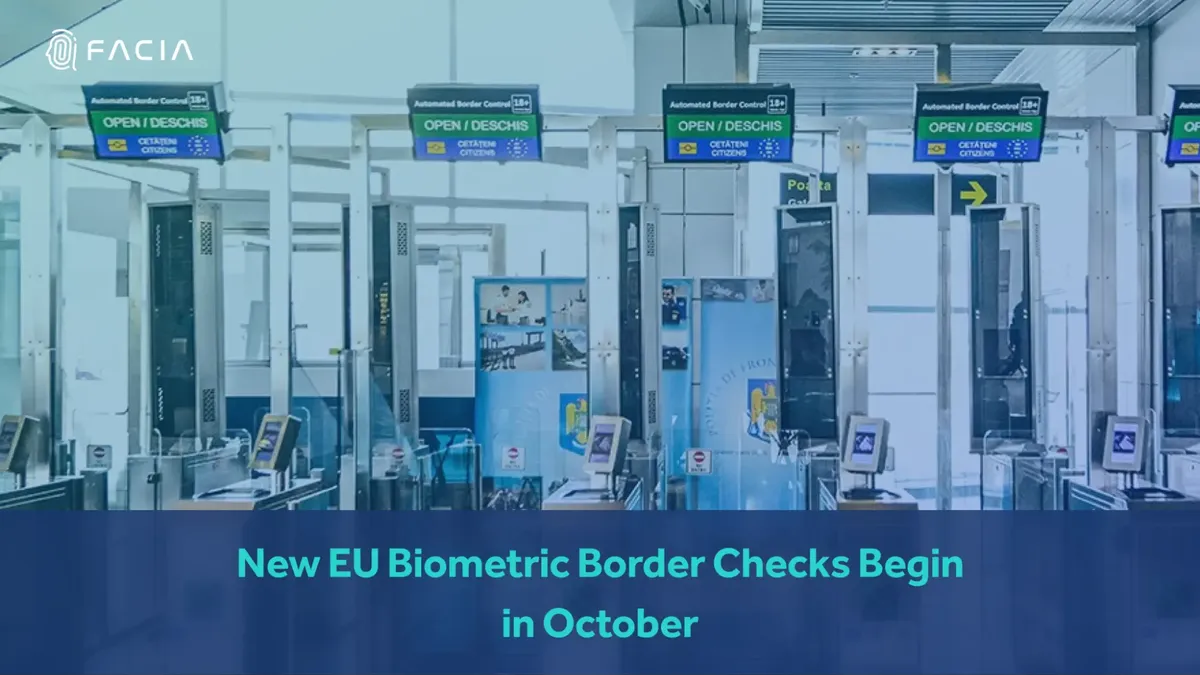
On April 29, 2026, David Newton and his family found themselves entangled in a frustrating ordeal at Charles de Gaulle airport. They arrived three hours before their flight, only to be stranded for a staggering 11 hours in departures due to delays caused by the new EU border biometric checks.
The chaos began shortly after the family entered the terminal. They joined a line that snaked through the airport, filled with thousands of weary travelers. David described the scene as ‘mayhem’—the atmosphere thick with anxiety and frustration. Many passengers were visibly distressed, and he recalled seeing people approaching staff in tears, pleading for help lest they miss their flights.
Key statistics:
- The family spent over five hours simply waiting in queues for the EU’s Entry/Exit System (EES) checks.
- Only about a third of the 15 booths at passport control were manned, exacerbating the delays.
- Manual processing took approximately five minutes per person, which contributed to the backlog.
The EES had been fully launched just weeks earlier on April 10, 2026. Under these regulations, non-EU nationals must provide fingerprints and a facial photo—a process that has faced significant technical issues. At main hubs in France, many EES kiosks were reported as non-functional. This left passengers like the Newtons reliant on manual processing.
As their flight departed without them, they were finally processed through passport control—two hours after takeoff. They then faced an additional four hours to check their luggage back in for another flight. David lamented the experience: “I’ve never missed a flight in my life,” he said. “I’d probably drive. I just think the hassle of all that you can drive there quicker.”
The situation has drawn attention from various authorities. ACI Europe warned that during peak travel periods, delays could extend up to three hours due to these new procedures. Meanwhile, officials from Greece have suspended biometric checks for British nationals amid growing queues at their airports.
The European Commission maintains that the EES system is functioning well across most member states since its launch. However, as seen with the Newton family’s experience, significant operational challenges remain—leaving many travelers questioning the efficiency of new border processing protocols.