
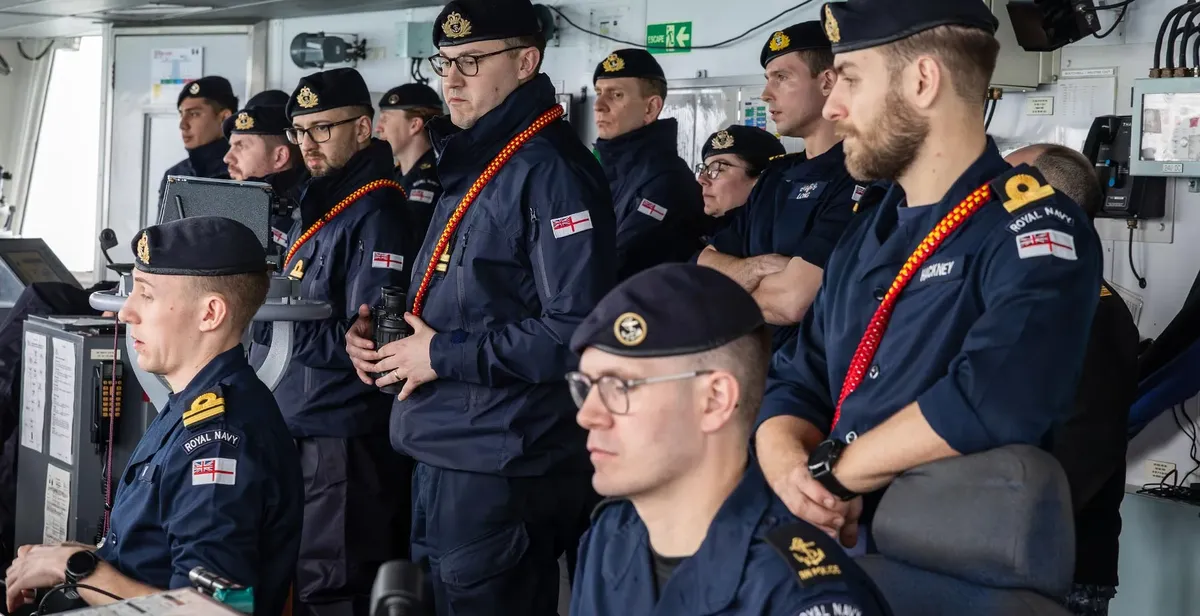
For the first time, all Royal Navy recruits will complete a 10-week Initial Naval Training course at HMS Raleigh starting June 1, 2026. This transformative approach aims to unify the training experience for both Officers and Ratings, creating a cohesive foundation in modern naval operations.
The new program introduces a redesigned 14-week commissioning course at the prestigious Britannia Royal Naval College in Dartmouth for officers after their initial training. This shift eliminates the previous separation of training pathways, which had long divided the two groups.
Historically, HMS Raleigh has served as a critical hub for naval training since its establishment. The changes reflect ongoing efforts to modernize the Royal Navy’s training framework, aligning it with contemporary operational demands.
Key aspects of the new training system:
- All recruits will undergo a unified 10-week Initial Naval Training course.
- Officers will transition to a redesigned commissioning course lasting 14 weeks.
- The new system aims to strengthen operational effectiveness and efficiency across the fleet.
Rear Admiral Andrew Rose emphasized that this modernization is essential: “The Royal Navy has always adapted to maintain advantage over emerging threats.” He noted that this approach not only fosters capable leaders but also addresses the challenges of a fast-moving and contested environment.
Captain Andrew Bray added that maintaining high standards is non-negotiable: “Everyone completing all of our courses must meet the immovable high standard which the Royal Navy demands.” This commitment underpins the entirety of the revamped training pipeline.
The changes align with the First Sea Lord’s Warfighting Ready by 2029 plan, reinforcing the Navy’s dedication to producing mission-ready leaders equipped for future challenges. Notably, there will be no redundancies as a result of this realignment, ensuring stability within naval personnel ranks.
The first officer cadet cohort is set to begin this new initial training phase on June 1, marking a pivotal moment in Royal Navy history. As preparations continue, anticipation grows around how these reforms will shape leadership within Britain’s maritime forces.