
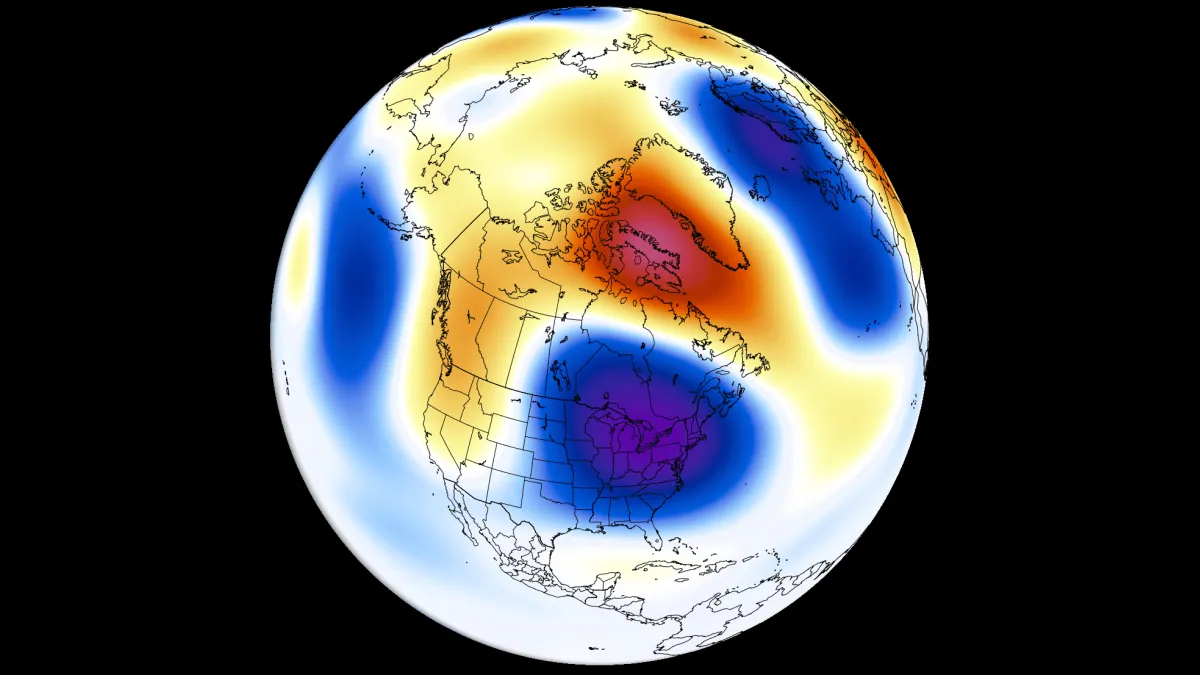
The rapid development of El Niño in 2026 is expected to significantly alter weather patterns across the globe, driven by a powerful oceanic Kelvin wave that has intensified, marking the end of a multi-year La Niña influence. By May, forecasts indicate a trajectory toward Super El Niño status, which could reshape climate conditions worldwide.
Key developments:
- El Niño is developing faster and stronger than initially projected.
- The latest ECMWF and UKMO models show a stronger El Niño signature in Summer 2026.
- A very high chance exists for a Super El Niño to develop during this period.
As the ENSO cycle alternates between warm and cold phases, its impact on global weather patterns becomes increasingly pronounced. The current forecasts predict above-normal temperatures across the northwestern United States and western Canada during Summer 2026. In contrast, less precipitation is expected in the far southern United States and southern central Canada.
Additionally, meteorologists anticipate changes in pressure patterns, with a low-pressure area forecasted over eastern Canada and the northeastern United States. This shift could lead to increased rainfall across various regions including the western, central, and northeastern United States, as well as the Midwest and southeastern Canada.
The interplay between these factors suggests an unprecedented climatic phase ahead. However, uncertainties linger; officials have not provided a detailed timeline for when these changes will fully manifest or how they might interact with existing weather systems.