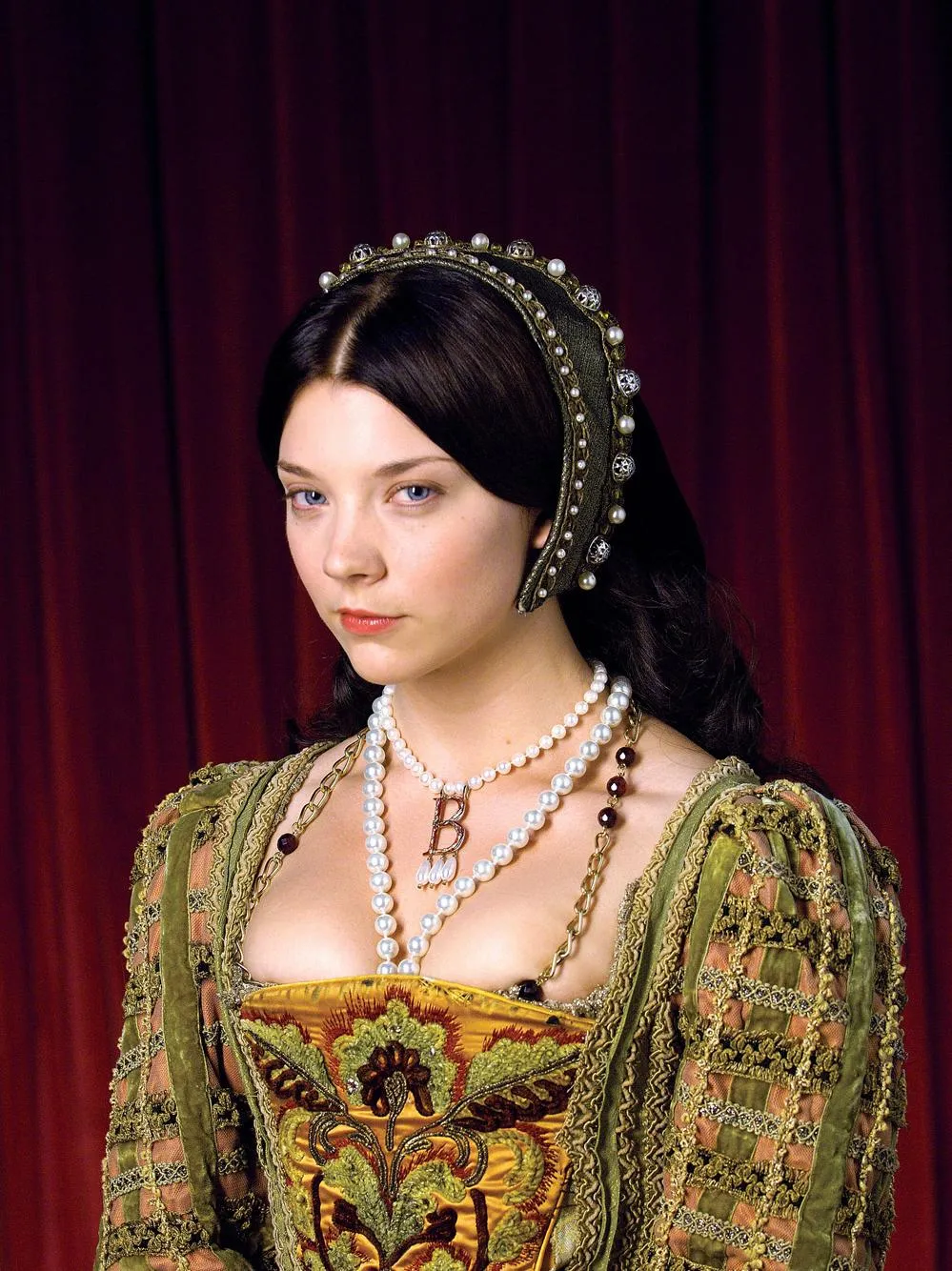
A groundbreaking study has emerged from a team of scientists at the University of Bradford, who assert that they have unveiled the real face of Anne Boleyn using advanced facial recognition technology. This revelation has reignited fervent debates among historians regarding the accuracy and implications of such technological applications in historical research.
Anne Boleyn, famously married to Henry VIII in 1533 and executed three years later on charges of adultery and treason, has long been shrouded in mystery. Intriguingly, no portrait from her lifetime exists, making any depiction speculative at best. The researchers have analyzed Tudor portraits and believe they have identified a previously-unknown sketch that may represent Boleyn.
The study utilized an algorithm that compared this sketch to images of her daughter, Elizabeth I, and her cousins. The algorithm rated facial similarity through a method termed “percentage clustering,” yielding results that surprised even the researchers themselves. Karen Davies, lead author of the research, expressed her astonishment: “The result has shocked us completely.” Yet, skepticism looms large.
Art historian Dr. Bendor Grosvenor has dismissed the findings as “a load of old phooey,” questioning the validity of using machine learning on historical artwork. He argues that the essence of art cannot be quantified solely through algorithms. Professor Hassan Ugail added his concerns: “What we are looking at is a bunch of drawings, and then we are comparing these drawings through a machine-learned algorithm.” Such critiques highlight an ongoing tension between technological advancement and traditional methodologies in historical research.
The labeled sketch in question may not even depict Anne Boleyn but rather her mother, Elizabeth née Howard. This uncertainty adds another layer to an already complex narrative surrounding one of history’s most enigmatic figures. Furthermore, some scholars suggest that images of Boleyn may have been deliberately destroyed following her execution, complicating efforts to reconstruct her likeness.
As discussions continue about the efficacy and ethics of employing facial recognition technology in historical contexts, the broader implications remain unclear. Can technology truly capture the essence of historical figures? Or does it merely serve as a modern lens through which we attempt to understand our past? The debate surrounding these questions is far from settled.