
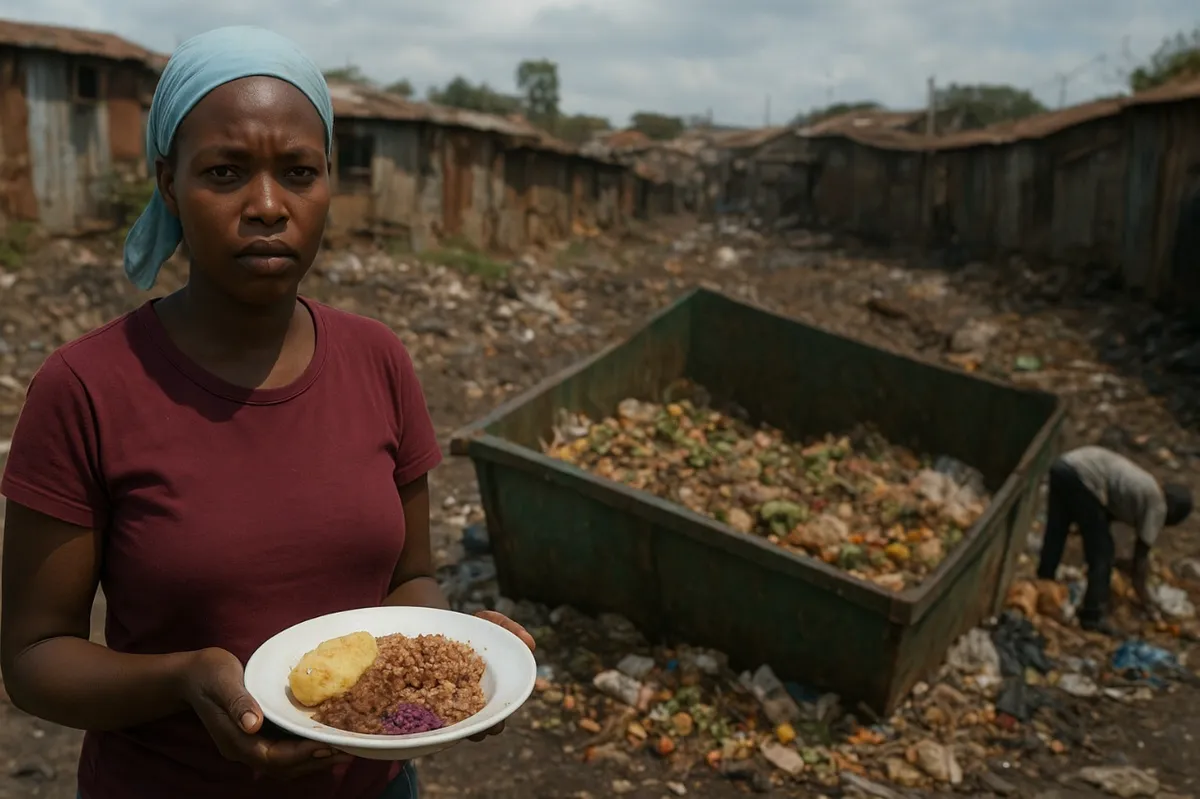
In Wrexham, a new weekly food waste collection service has been introduced, targeting around 60,000 households in an effort to combat the staggering amount of edible food wasted annually. This initiative comes as a response to the grim reality that food waste constitutes about a third of household rubbish, most of which currently ends up incinerated.
The statistics are startling: on average, each household discards around £800 worth of edible food every year. This is not just a local issue; it reflects a broader trend where 33% of all food produced globally is wasted each year. In fact, nearly half—50%%—of all fruits and vegetables produced are lost before they reach consumers’ plates.
The decisive moment came when local authorities recognized the need for systemic change. With this new service, residents are encouraged not only to recycle their food waste but also to consider donating surplus edible food. This shift could potentially redirect resources that might otherwise go to landfill or incineration.
Key facts about food waste:
- A third of household rubbish is made up of food waste.
- If just 25% of wasted food were saved, it could feed 870 million hungry people worldwide.
- Currently, less than half of Wrexham’s residents recycle their food waste.
Cllr Terry Evans expressed concern over the current state of affairs: “Unfortunately, in Wrexham we’re seeing far too much food waste, and lots of it isn’t being recycled by residents.” This sentiment echoes a growing frustration among environmental advocates regarding our treatment of edible food as mere refuse.
This initiative mirrors successful policies in other countries; for example, French supermarkets larger than 400 square metres are mandated by law to donate unsold edible food to charities. Such measures highlight a stark contrast between approaches and raise questions about why similar regulations have not been adopted more widely in the UK.
The effects of this new service are expected to be multifaceted. Not only will it help reduce the volume of waste entering landfills but also promote a culture of sustainability and community support through edible food donation initiatives. As communities begin to engage with these changes, one can only hope that attitudes towards food waste evolve.
The challenge remains significant: changing ingrained habits takes time and effort. Yet with robust initiatives like this one underway, there is hope for a future where less edible food is wasted and more is shared among those who need it most.