
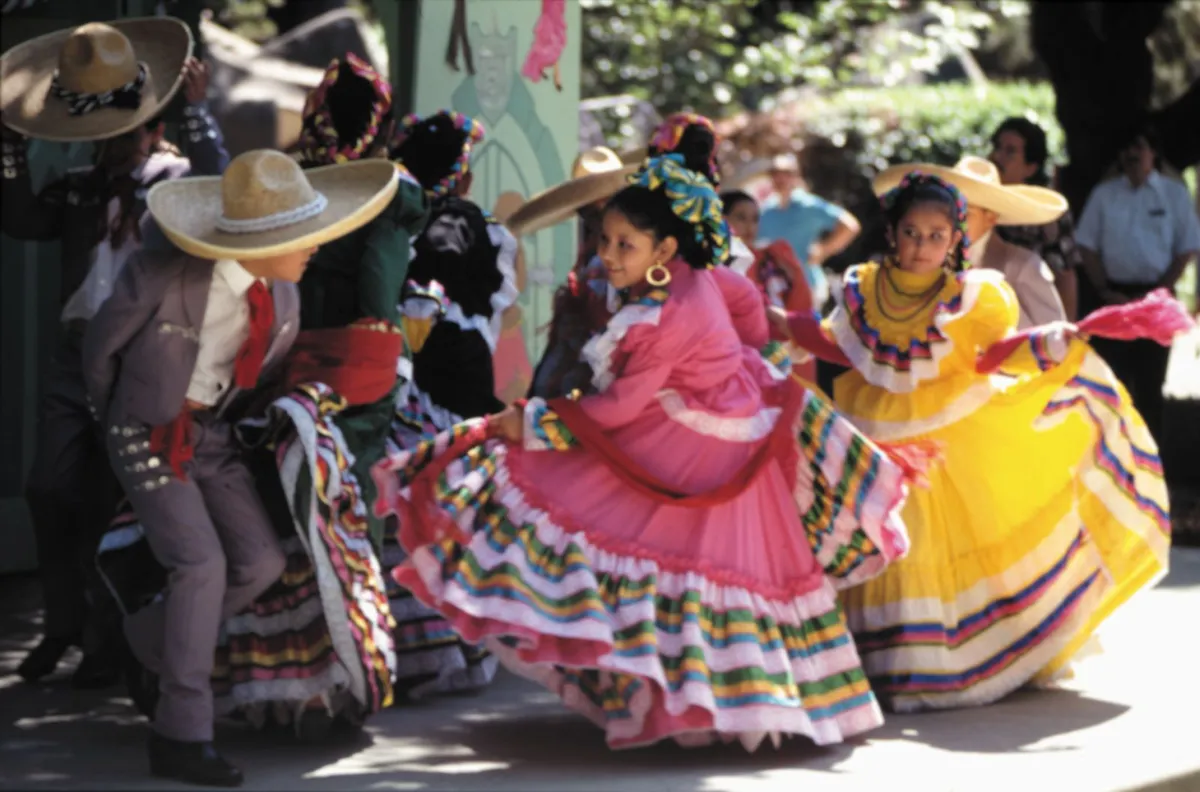
As May 5 approaches, Cinco de Mayo celebrations in the United States are shifting focus from drunken revelry to honoring the rich tapestry of Mexican history and culture. This year, many communities are embracing a deeper understanding of the day, which commemorates the 1862 victory of Mexican forces over French troops at the Battle of Puebla.
In recent years, festivities have evolved significantly. Rather than simply indulging in margaritas and tacos while dancing to mariachi music, organizers are weaving in educational elements that highlight Mexican heritage. Nayomie Mendoza, a community leader in Los Angeles, reflects this sentiment: “It just showed resilience. So, on Cinco de Mayo we always make it a testament of our resilience.” This year, celebrations across the nation will include historical reenactments, folklórico performances, and discussions about the significance of the holiday.
The statistics tell a compelling story: Cinco de Mayo is celebrated more widely in the U.S. than in Mexico itself. While many might confuse it with Mexican Independence Day—which is celebrated on September 16—Cinco de Mayo has become a symbol of Mexican American culture. In fact, Hispanic-owned firms accounted for 8.4% of U.S. employers in 2024, showcasing the growing influence and entrepreneurial spirit within these communities.
Key elements of Cinco de Mayo celebrations:
- Parades featuring traditional costumes and music
- Street food vendors serving authentic Mexican cuisine
- Mariachi competitions that celebrate musical heritage
This cultural renaissance is not without its challenges. Many still associate Cinco de Mayo with stereotypes perpetuated by marketing campaigns—often dubbed “Cinco de Drinko”—that emphasize alcohol consumption over cultural appreciation. Mendoza urges a shift in perspective: “Instead of celebrating a stereotype, we might become curious about the real history and culture behind what is in our glass.” This call for authenticity resonates strongly among younger generations eager to connect with their roots.
Sotol, an emerging spirit produced from the Dasylirion plant—which takes up to 20 years to mature—is gaining popularity alongside tequila and mezcal as part of this cultural revival. As people explore these beverages, they also delve into the stories behind them, enriching their understanding of Mexican traditions.
The anticipation for this year’s festivities is palpable. Observers expect that as communities come together to celebrate Cinco de Mayo on May 5, they will not only enjoy vibrant parades and delicious food but also engage in meaningful conversations about identity and heritage.