
As the sun sets over the Mediterranean, casting a golden hue on the shores of Cyprus, the island faces an unsettling reality: a 60% drop in tourism bookings, primarily from British travelers hesitant to visit amid rising geopolitical instability.
The situation began to escalate in early May 2026 when the UK government advised its citizens to remain vigilant while traveling to Cyprus. This advisory came on the heels of increasing tensions in the Eastern Mediterranean, causing a ripple effect that dampened tourist enthusiasm. The travel advisory has not been updated since March 5, creating an air of uncertainty.
Meanwhile, Cyprus is simultaneously managing a livestock culling crisis. The government has reported that approximately 38,900 sheep and goats, 2,247 cattle, and 21,500 pigs have been culled due to an outbreak that has raised concerns among farmers and consumers alike.
Culling statistics:
- Sheep and goats: 38,900
- Cattle: 2,247
- Pigs: 21,500
The Cyprus Livestock Association has expressed frustration over the lack of clear compensation details from authorities. Farmers are left in limbo as they await information on how they will be supported during this crisis.
Government spokesman Konstantinos Letymbiotis emphasized that the culling follows strict EU veterinary protocols. Yet experts like Dimitris Epaminondas, head of the Pancyprian Veterinary Association, have rejected claims suggesting alternative approaches exist for managing such crises.
This dual challenge—declining tourism and livestock culling—places immense pressure on Cypriot authorities. The government is closely monitoring both situations but has not planned any new meetings with farmers at this stage. The emotional toll on local farmers is palpable as they watch their livelihoods dwindle.
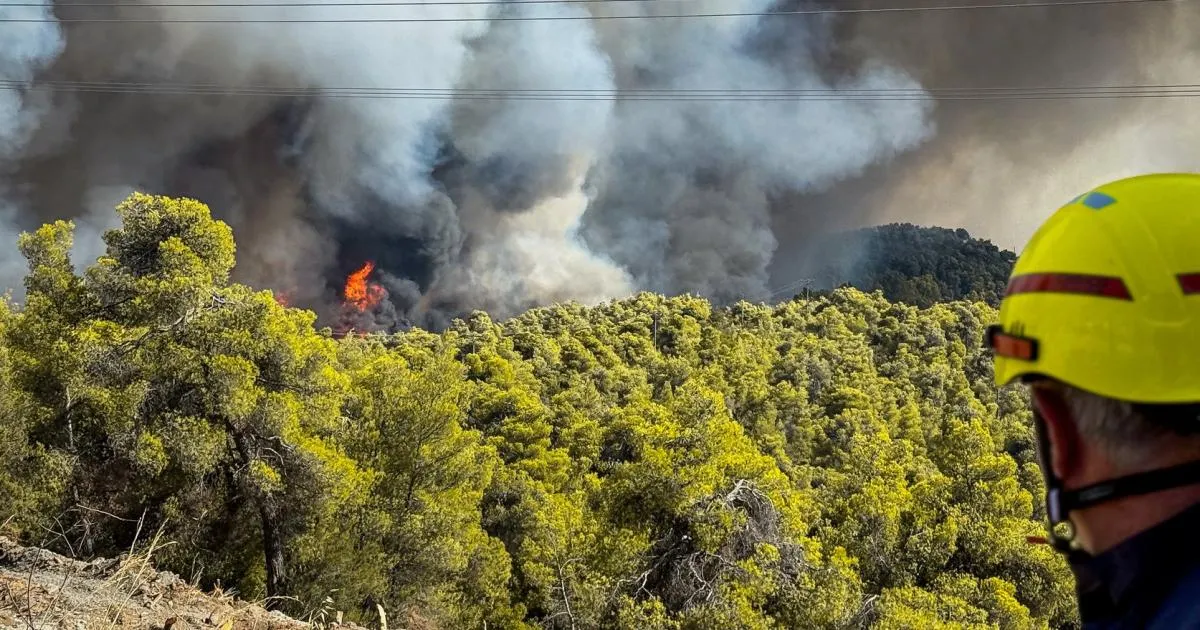
Amid these challenges, Commissioner Hadja Lahbib’s visit on May 6-7 aims to address fire risk management and support local services. The upcoming Euro-Mediterranean Workshop on Fire Risks will also focus on strategies to combat wildfires and industrial fire risks.
The juxtaposition of these events underscores a critical moment for Cyprus—a nation at a crossroads between its agricultural heritage and its reliance on tourism. As officials work to navigate these turbulent waters, clarity remains elusive for both tourists and farmers alike.