
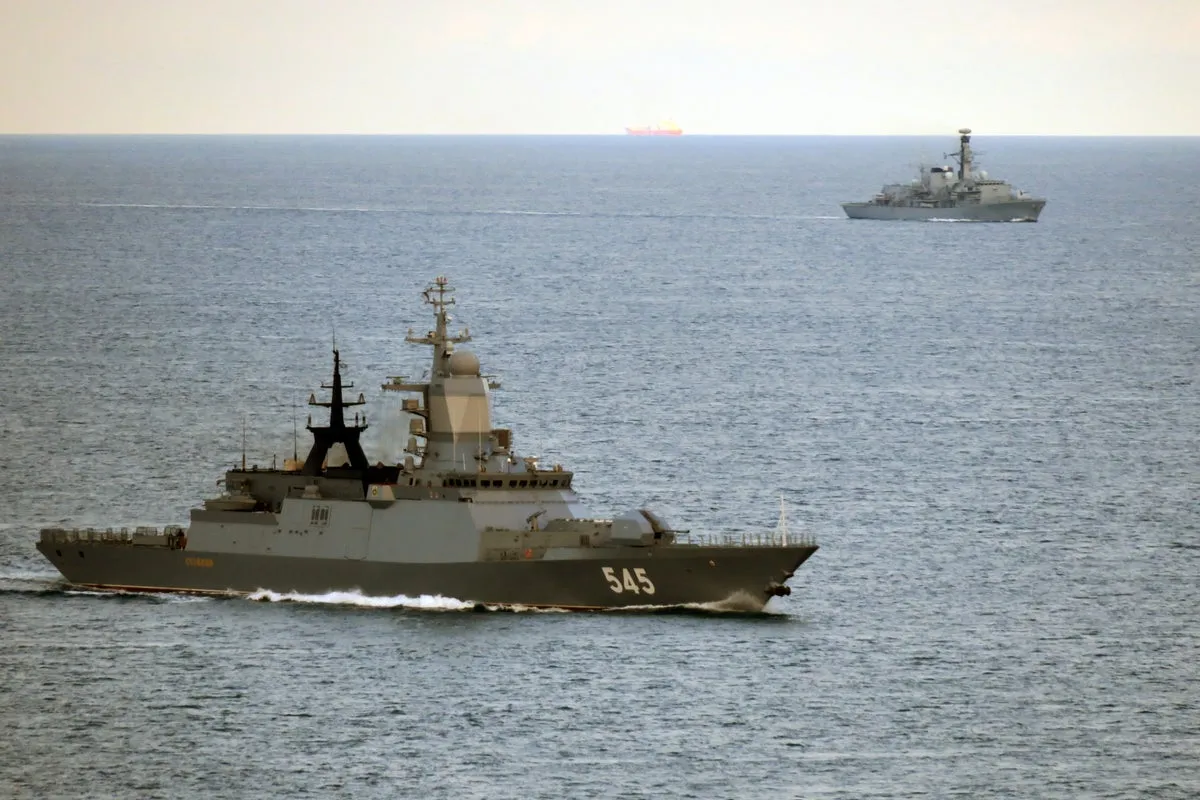
The recent withdrawal of HMS Iron Duke has reduced the Royal Navy’s active frigate fleet to just five vessels, stirring concerns about the sustainability and operational readiness of British maritime defense.
HMS Iron Duke, a Type 23 frigate, had not been operational at sea since October 2025 and was laid up in Portsmouth since 2017 before undergoing a complex £103 million refit that extended over 49 months and consumed more than 1.7 million man-hours. The Ministry of Defence (MoD) confirmed that plans for its conversion project were scrapped, leading to its eventual decommissioning.
Key facts:
- The Royal Navy’s active frigate fleet now comprises just five vessels.
- HMS Iron Duke was stripped of its weapons and sensors prior to withdrawal.
- The ship had been expected to return to service in March 2026.
Luke Pollard, a prominent voice in defense discussions, remarked on the situation: “Given the platform’s remaining service life, the time required to complete the conversion, and competing operational priorities, the benefits of proceeding did not justify the additional cost or extended period out of service.” This statement underscores the financial implications and strategic decisions behind such withdrawals.
The impact is palpable. With HMS Richmond also confirmed for decommissioning this year, the remaining Type 23 frigates face mounting pressure to sustain operations—particularly within NATO operations across the Atlantic. The looming introduction of Type 26 and Type 31 frigates by 2030 may offer some relief, but for now, uncertainty reigns over the Royal Navy’s capabilities.
As one expert put it, “Iron Duke’s story is not simply a tale of huge financial waste, although that charge is difficult to avoid.” The widening frigate capability gap appears to be deepening beyond even previous forecasts. Officials have not clarified if undisclosed defects contributed to this decision or if other factors were at play.