
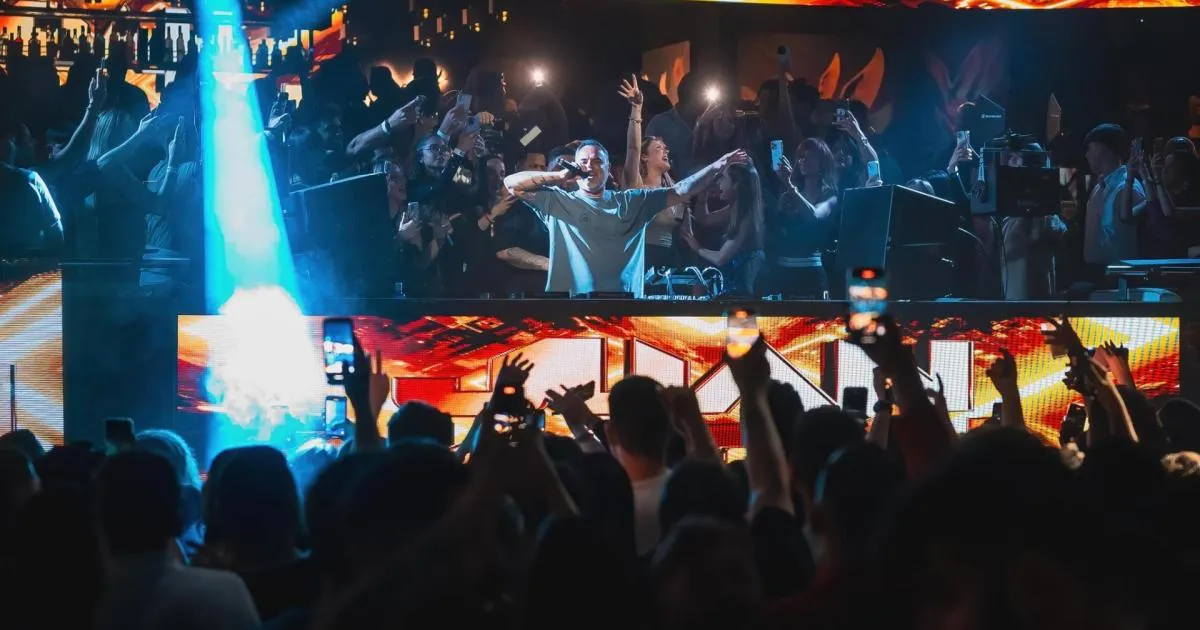
The vibrant streets of Mallorca, once alive with the pulse of tourists and locals alike, now brace for a stark reality: the nightlife sector anticipates lower revenue than in 2025, driven by a significant drop in local and tourist spending. The sun-soaked island, a magnet for revelers, finds itself at a crossroads as its clubs shorten operating hours to reduce costs.
In contrast, Liverpool emerges as a beacon of safety in the nightlife realm. With 60% of people feeling secure walking around the city center after 10 PM, it boasts a reputation bolstered by sixteen consecutive years of Purple Flag accreditation—a hallmark of excellence in the night-time economy. Yet, beneath this commendation lies a complex narrative.
As Mallorca’s clubs shutter their doors earlier, the consequences ripple through the local economy. Miguel Pérez-Marsá from the CAEB Restaurants Association articulates this concern: “We were already coming off a slow year, and now the forecast is for even lower attendance and, consequently, lower revenue.” This sentiment echoes through the island’s businesses, where uncertainty reigns.
Meanwhile, Liverpool grapples with its own challenges. Despite being recognized for its nightlife safety initiatives—such as the night-time safety charter signed by over 125 businesses—significant portions of the population still harbor fears. A staggering 75% of individuals in the LGBT+ community report feeling at risk of harassment during nights out, while 71% of women express fears of sexual assault according to the Merseyside Police and Crime Commissioner.
This juxtaposition raises questions about what safety truly means in nightlife spaces. Clive Duffey from Ask for Clive emphasizes that creating an inclusive atmosphere is paramount: “Our sticker is placed at the front door of venues to recognise them as an inclusive hate-free space… it’s about venues creating a culture of safety.” Yet experts like Joe Maguire remind us that improvements can always be made; some venues excel while others lag behind.
The contrasting fortunes of Mallorca and Liverpool illuminate broader trends within the global nightlife landscape. As Mallorca seeks to rebound from diminishing tourist numbers and revenue losses, Liverpool’s commitment to enhancing nightlife safety may serve as a model for other cities grappling with similar issues.
The night-time economy continues to evolve—both destinations illustrate how intertwined safety and enjoyment are within nightlife contexts. As these cities navigate their respective paths forward, one thing remains clear: ensuring safe spaces for all will be essential in shaping vibrant nightlife scenes.