
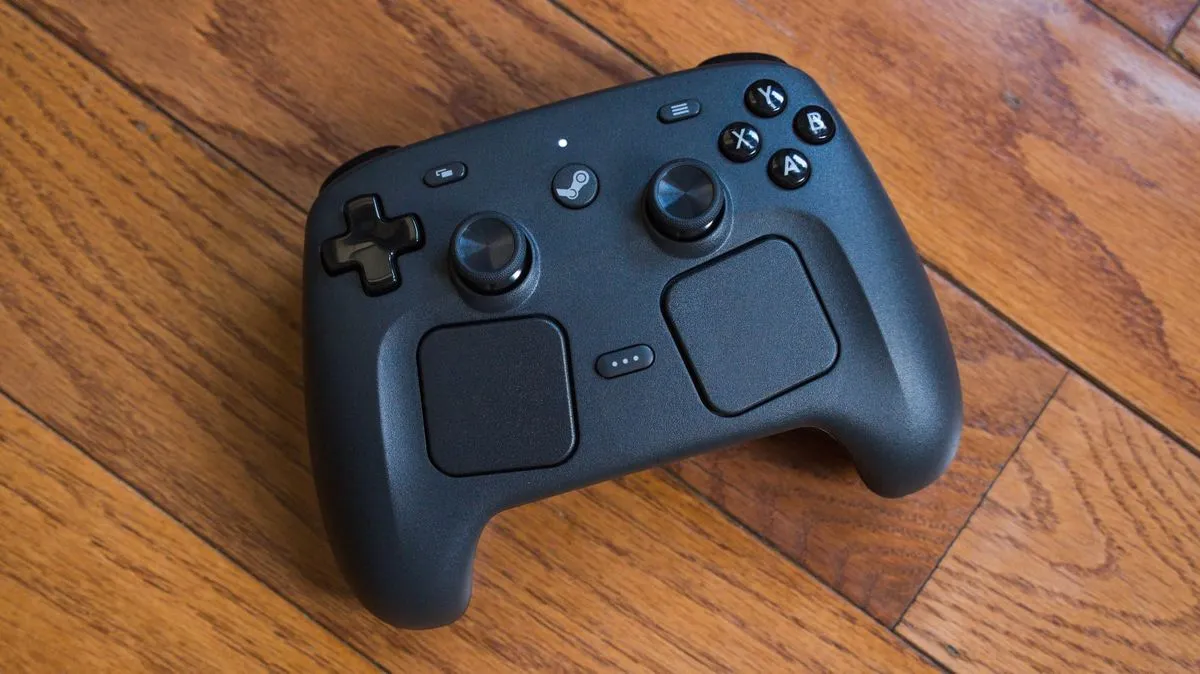
The gaming world has long been dominated by traditional controllers—those familiar shapes that fit snugly in hand, offering tactile feedback and precision. But when Valve introduced the Steam Controller, it shattered expectations with features like TMR sticks and a magnetic charging puck, setting a new standard for what a controller could be.
Before this innovation, gamers often faced limitations with their controllers. The original Steam Controller had its quirks but was ultimately seen as a noble failure, beloved by a niche audience yet lacking mainstream acceptance. Fast forward to today, and the new Steam Controller emerges as a contender in the market, retailing at $100 and boasting features designed to enhance the gaming experience.
Key features of the Steam Controller:
- The first first-party controller from a major console maker to incorporate TMR sticks, providing unparalleled precision.
- A magnetic charging puck that can support up to four controllers simultaneously, ensuring seamless gameplay without interruptions.
- Programmable buttons on the back that are more prominent than those found on the Steam Deck, allowing for customizable control.
- Capacitive twin trackpads that offer an alternative to traditional thumbsticks, catering to various play styles.
- An infrared sensor meant for compatibility with the upcoming Steam Frame, suggesting future expansions in functionality.
With a reported battery life of 35 hours, this controller is built for extended gaming sessions—ideal for those who enjoy gaming on PC from the comfort of their couch. As one expert noted, “The Steam Controller is ideal for people who game on PC within Valve’s ecosystem.” This statement underscores its targeted design for dedicated users who want more than just basic functionality.
Furthermore, Valve’s partnership with iFixit to provide files for 3D printing accessories adds another layer of customization. Gamers can not only personalize their gameplay but also adapt their hardware to suit their specific needs. This move signals a shift toward greater user agency in the gaming space.
Yet, not all reactions have been universally positive. Some critics argue that despite its innovations, the controller may still alienate traditionalists who prefer conventional designs. However, with its unique offerings and commitment to enhancing user experience, Valve seems poised to capture a broader audience than ever before.
The future looks bright for Valve and its new controller. As they continue to redefine what it means to game on PC, enthusiasts eagerly anticipate how these innovations will shape their experiences moving forward.