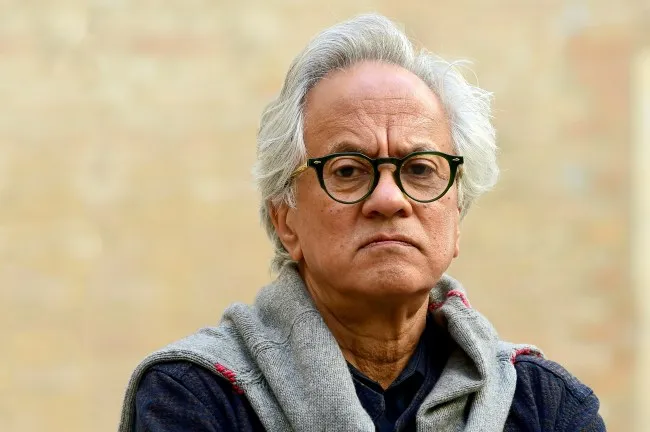
In a bold statement, Anish Kapoor has called for the exclusion of the US from the upcoming Venice Biennale, citing its ‘abhorrent politics of hate’ and ‘incessant warmongering.’ This announcement, made ahead of the event scheduled for May 4, 2026, underscores the growing tension between art and political protest.
Kapoor’s remarks come amid a backdrop of controversy surrounding the Biennale. The international jury has resigned in protest against the inclusion of Israel and Russia, leading to significant delays in awarding prizes until November 2026. More than 200 participants have signed a letter demanding the cancellation of the Israeli pavilion, while the Italian ministry of culture confirmed that the Russian pavilion will remain closed to the public.
The US entry at this year’s Biennale features artist Alma Allen, whose work consists of over 30 sculptures. However, his selection faced scrutiny due to perceived interference from the Trump administration. Jeffrey Uslip, a fellow artist, remarked that ‘a lot of people expect abstract work or political work to look a certain way,’ highlighting the complexities artists face when navigating these waters.
Observers note that Kapoor’s history of opposing US presidential regimes adds weight to his comments. He previously engaged in legal actions against the Trump administration, which amplifies his current stance. The intersection of art and politics is not new; however, Kapoor’s outspoken nature brings this dialogue into sharper focus.
As this situation unfolds, it remains unclear how these controversies will shape future exhibitions. The European Commission is contemplating terminating or suspending its €2 million grant for the exhibition due to Russia’s involvement. The landscape of international art is shifting dramatically as artists like Kapoor challenge not just their own governments but also global narratives through their work.