
As the sun sets over the Mediterranean, casting a golden hue on the shores of Cyprus, the island faces an unsettling reality: a 60% drop in tourism bookings from British travelers, attributed largely to growing geopolitical instability in the Eastern Mediterranean.
The crisis unfolded dramatically. On March 5, the UK government updated its travel advisory for Cyprus, urging caution among potential visitors. This advisory coincided with an escalating sense of unrest in the region, leading to widespread hesitation among tourists.
By early May, the situation worsened as Cyprus grappled with another pressing challenge: a livestock culling crisis. The outbreak has so far led to the culling of about 38,900 sheep and goats, 2,247 cattle, and 21,500 pigs. The government insists on adhering strictly to EU veterinary protocols, which has left many farmers frustrated by unclear compensation details.
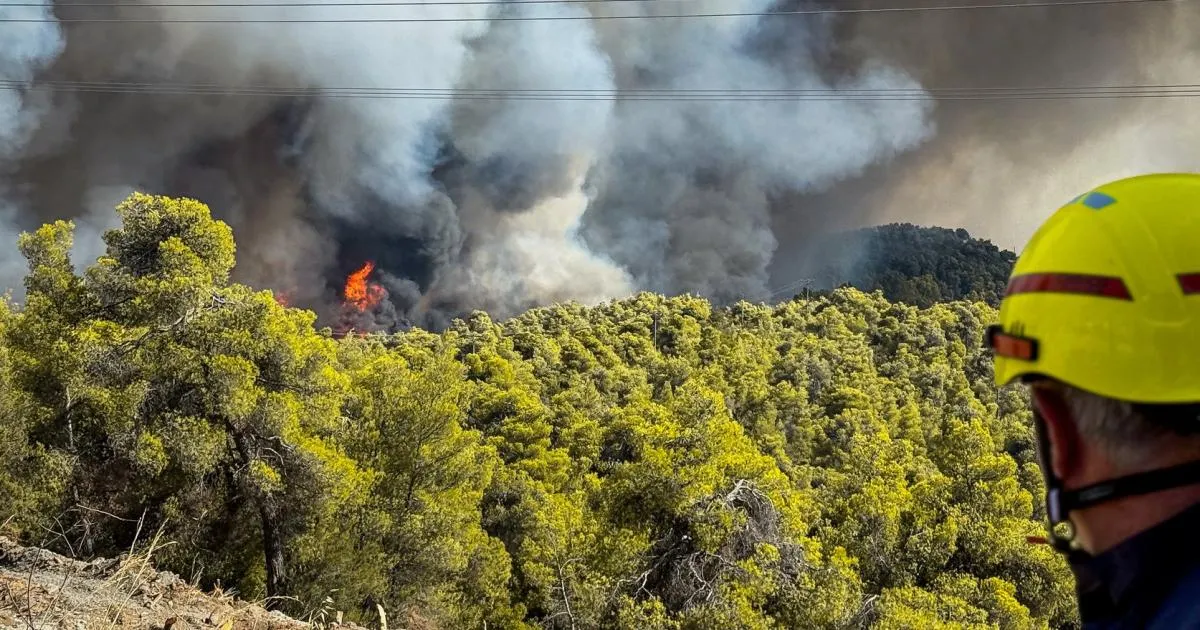
On May 6-7, Commissioner Hadja Lahbib will visit Cyprus to discuss these pressing issues. The visit comes as part of the preparations for the 3rd Euro-Mediterranean Workshop on Fire Risks, co-organized by the European Commission and Cyprus. This workshop will address fire risk management—an increasingly critical concern given recent wildfires.
The livestock crisis has not only affected farmers but also poses a significant threat to local economies reliant on both agriculture and tourism. Farmers are voicing their concerns through representatives like Yannis Vardakastanis of the Cyprus Livestock Association, who has stated that “the government insists on EU rules,” leaving little room for alternative solutions.
Experts have rejected claims that alternative EU protocols exist for managing such crises—adding another layer of complexity to an already fraught situation. Meanwhile, British tourists are advised to remain alert and follow instructions from local authorities, as they navigate this landscape of uncertainty.
The Cypriot government continues to monitor both the tourism downturn and livestock culling closely. However, President Clea Hadjistephanou Papaellina has indicated that there are no plans for immediate meetings with farmers at this stage.
This sequence of events is critical not just for those directly involved but also for Cyprus’s broader economic stability. As it stands now, the island’s dual crises—plummeting tourism and livestock loss—paint a grim picture for its future.