
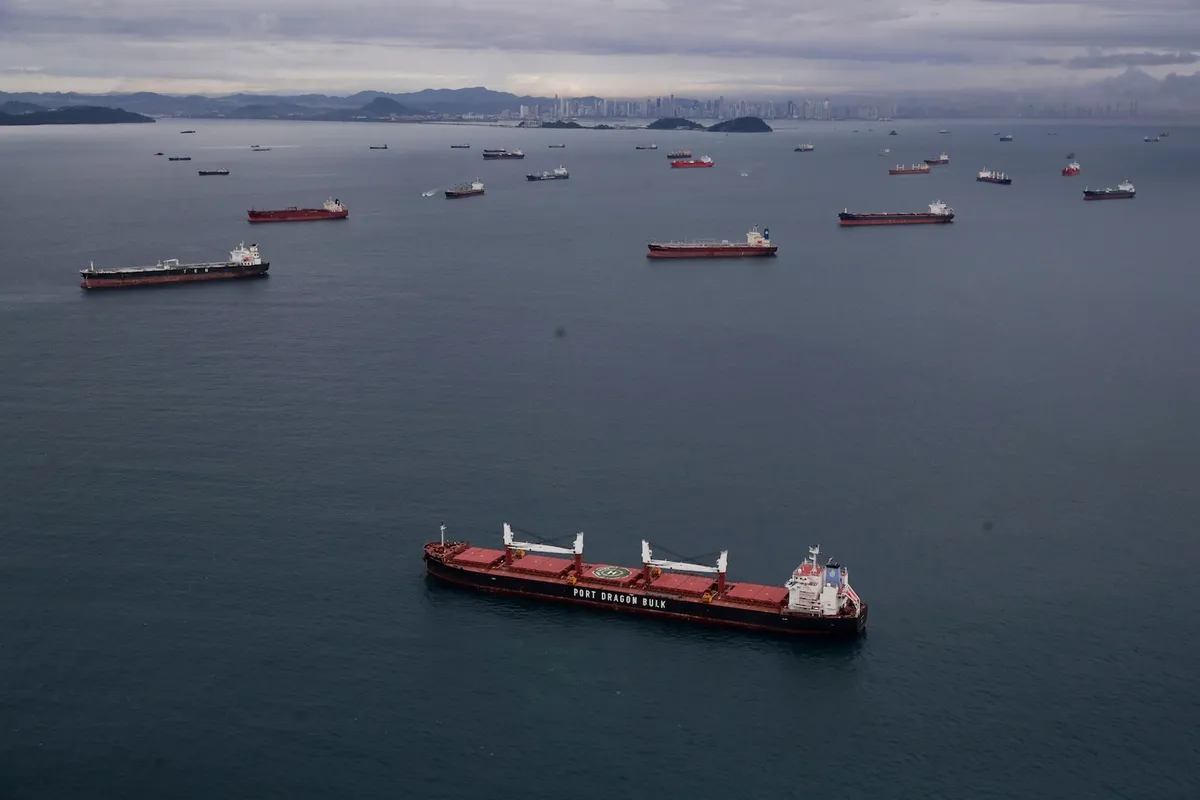
The Panama Canal has emerged as a geopolitical flashpoint between the United States and China, with tensions escalating dramatically by April 2026. This vital shipping route, which facilitates approximately six percent of global trade, is now at the center of a complex dispute that could reshape international maritime dynamics.
The conflict intensified when the US accused China of detaining over 70 Panama-flagged vessels in its ports during March 2026, an unprecedented figure that far exceeds historical norms. China vehemently denied these allegations, claiming that it was the United States that had politicized the issue surrounding these ships.
Compounding these tensions, Panama’s Supreme Court annulled contracts in January 2026 that had permitted CK Hutchison Holdings to operate key port terminals at Balboa and Cristóbal. This decision has drawn condemnation from both the US and several Latin American nations, highlighting the deepening rift in regional alliances.
Key statistics:
- The average daily transits through the Panama Canal rose from 34 in January to 37 by March 2026.
- Some vessels have resorted to paying up to USD 4 million to bypass lengthy queues at the canal.
- This incident of detaining Panama-flagged ships represents a significant escalation in maritime tensions.
Marco Rubio emphasized the importance of Panama in global trade: “Panama is a pillar of our maritime trading system, and as such must remain free from any undue external pressure.” This statement underscores how vital this region is for economic stability. In contrast, Lin Jian from China remarked, “The one who has politicised and securitised the issue of ports is the United States,” indicating a stark difference in perspective regarding responsibility for these tensions.
The ramifications of this dispute extend beyond immediate shipping concerns; they pose potential long-term commercial and strategic consequences for US interests. Laura DiBella warned that given Panama-flagged ships carry a substantial portion of US containerized trade, ongoing actions against them could lead to dire economic repercussions.
No clear resolution is on the horizon as both nations continue to navigate this intricate web of accusations and counterclaims. Meanwhile, officials remain tight-lipped about possible next steps or negotiations aimed at alleviating these rising tensions. As this situation develops, it remains crucial for stakeholders in maritime trade to monitor closely what unfolds around this pivotal waterway.