
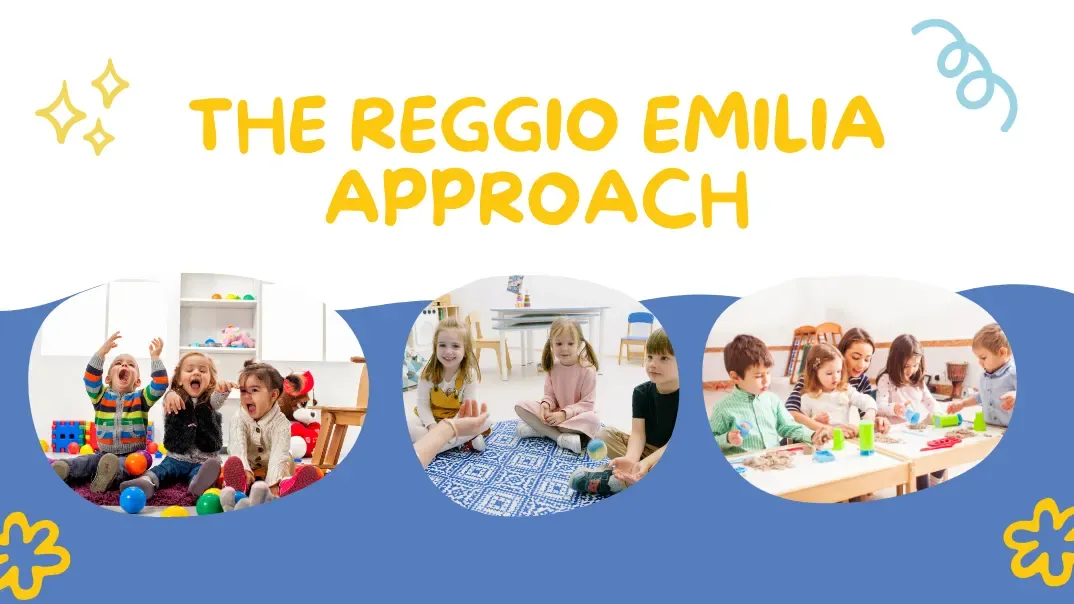
Catherine, Princess of Wales, is set to visit Reggio Emilia for her first official overseas trip since announcing her remission from cancer in January 2025. This journey underscores her dedication to early childhood development, a cause she has championed through the Royal Foundation Centre for Early Childhood since its establishment in 2021.
The significance of this visit resonates deeply. It comes after a hiatus of 3.5 years since Catherine’s last official trip. The Reggio Emilia approach, renowned for its emphasis on nurturing children’s potential through collaborative learning and exploration, will be a focal point during her stay. A spokesperson from Kensington Palace remarked, “The princess is very much looking forward to visiting Italy next week and seeing first-hand how the Reggio Emilia approach creates environments where nature and loving human relationships come together to support children’s development.”
This approach has gained international acclaim and serves as a model for educators worldwide. Its principles align seamlessly with Catherine’s vision for fostering healthy emotional and intellectual growth in children. As she engages with educators and local communities, the impact of her advocacy may ripple across borders.
However, the visit is not without its contrasts. Just as Catherine prepares to explore the educational landscapes of Reggio Emilia, the city recently witnessed an unexpected sports event that captured public attention: AC Milan faced Sassuolo in a Serie A match where they lost 0-2. The goals were scored by Berardi in the 5th minute and Laurienté in the 47th minute, while Tomori received a red card at the 24th minute. This juxtaposition of cultural engagement and sporting disappointment reflects the vibrant yet unpredictable spirit of Italian life.
The effects of Catherine’s visit extend beyond mere symbolism; they spotlight a growing recognition of early childhood education as pivotal for societal advancement. Experts assert that “the quality of our connections – with ourselves, with others and with the world around us – shapes how safe we feel, how we relate, and how we process experiences throughout our lives,” a sentiment echoed by Catherine herself.
This tour is not just about learning from others; it is also about reinforcing her role as an advocate for children’s rights and well-being. Her three children—Prince George, Princess Charlotte, and Prince Louis—serve as constant reminders of why this mission is so vital.
The convergence of Catherine’s personal journey with her public responsibilities offers a unique lens through which we can view early childhood development initiatives. As she walks through the streets of Reggio Emilia, engaging with educators who embody these principles daily, one can only hope that this visit ignites further conversations about nurturing the next generation.
Catherine’s commitment shines brightly against the backdrop of Italian culture—a culture rich in history yet responsive to modern challenges. Her engagement with Reggio Emilia could inspire not only local communities but also international stakeholders dedicated to advancing early childhood education worldwide.