
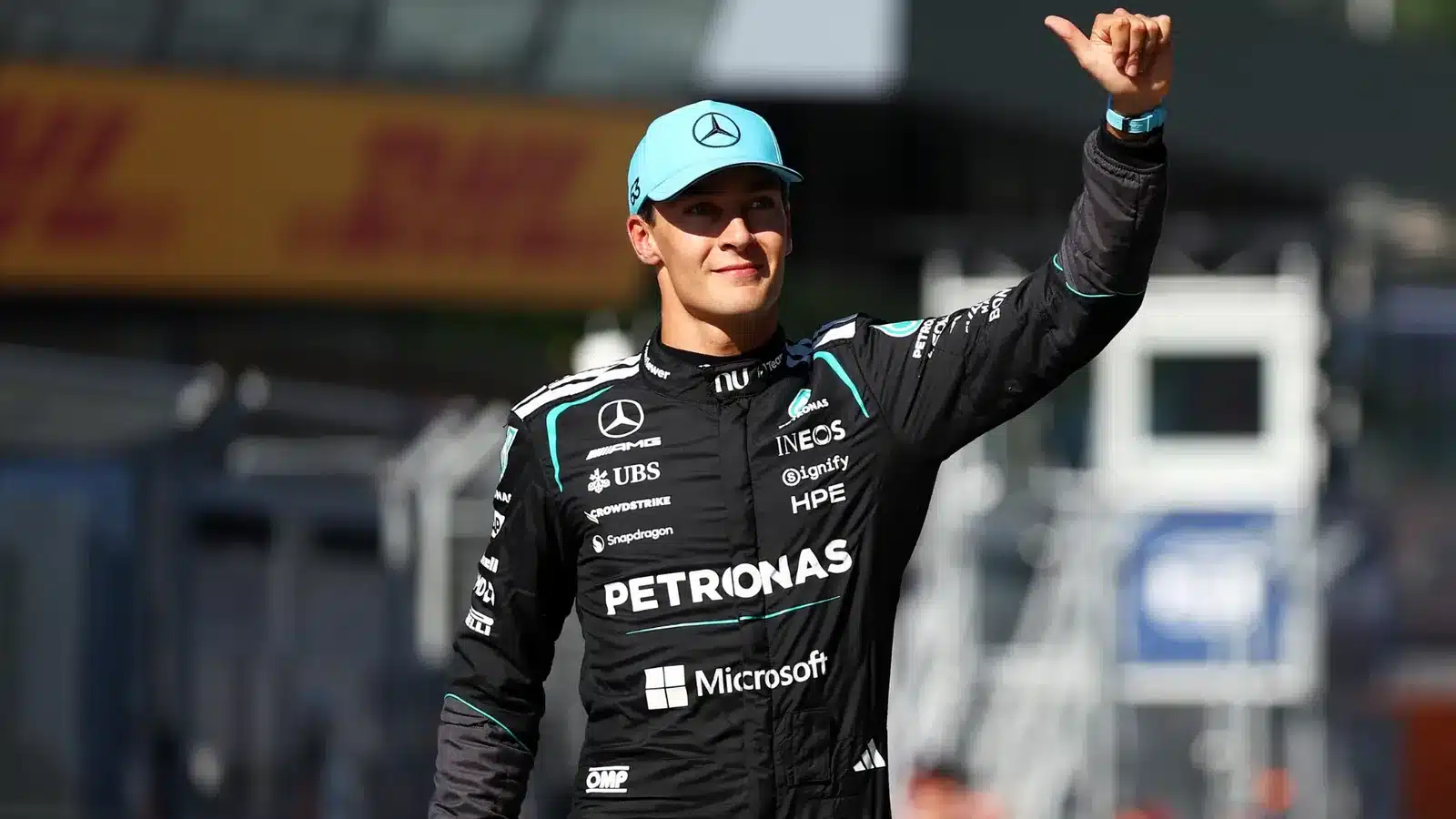
George Russell claimed pole position at the Austrian Grand Prix, setting his fastest lap amidst yellow flags triggered by a crash involving Max Verstappen. Russell’s final lap edged out Charles Leclerc, who had appeared set for pole. The incident occurred at the penultimate corner, where Verstappen lost control and hit the barrier.
Russell’s teammate, Kimi Antonelli, who was running just ahead of the Briton, also passed the scene of Verstappen’s crash. Antonelli did not improve his time and will start fourth on the grid. Lewis Hamilton, another Mercedes driver, made a mistake on his initial run in Q3, locking a brake at Turn Three, which forced him to abandon the lap.
Qualifying Incident and Yellow Flags
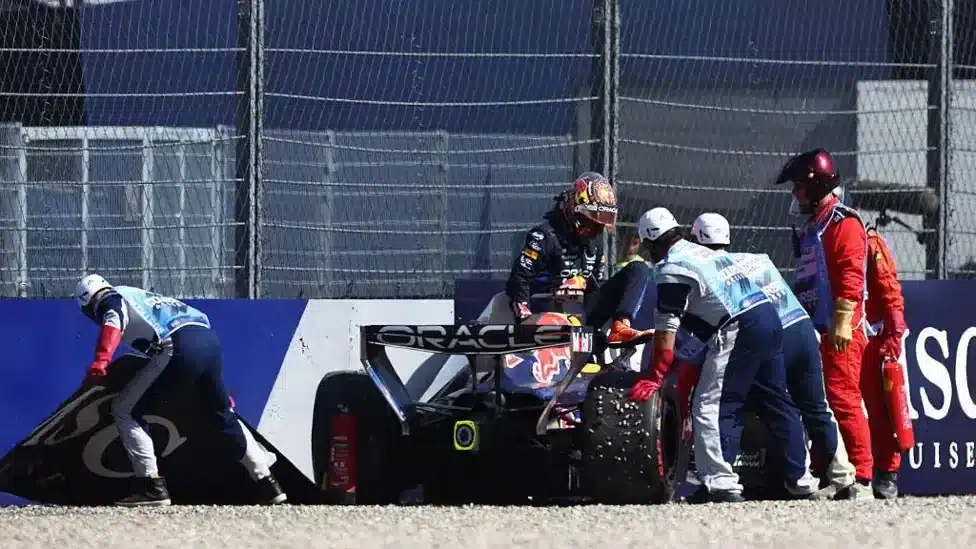
The late drama unfolded when Verstappen crashed at Turn 9, leading to yellow flags. Russell maintained that he had sufficiently slowed down for the incident, noting that only a single yellow flag was displayed. This was corroborated by an FIA spokesperson, who stated that a single yellow was initially shown before being upgraded to a double yellow flag after Antonelli and Russell had passed through.
Russell described a significant lift on entry to the corner, stating he was 0.5 seconds up going in and 0.25 seconds up coming out. His team principal, Toto Wolff, confirmed that Russell’s actions were compliant with the regulations regarding the yellow flag.
Conversely, Antonelli believed he saw a double yellow flag and aborted his lap entirely, which prevented him from improving his time. He expressed regret over the decision, acknowledging it was a mistake and that he could have achieved a front-row start had he only lifted as Russell did.
Under sporting regulations, a single yellow flag requires drivers to reduce speed and be prepared to change direction, but they can still complete their flying lap if they sufficiently reduce speed. A double waved yellow flag, however, necessitates a significant speed reduction and results in the deletion of the lap time if a driver passes through the affected sector during qualifying.
Grid Positions and Championship Implications
Verstappen’s initial lap, which was the third fastest behind Antonelli and Russell, was sufficient to secure fifth place despite his crash. McLaren drivers Lando Norris and Oscar Piastri will start sixth and seventh, respectively. Norris was just 0.027 seconds slower than Verstappen, with Piastri a further 0.009 seconds behind.
Red Bull’s Isack Hadjar and the Racing Bulls of Liam Lawson and Arvid Lindblad completed the top 10. This pole position marks Russell’s second successive pole, and with two Ferrari cars between him and Antonelli, he aims to reduce Antonelli’s lead in the championship.

Before Russell’s unexpected improvement, Ferrari had seemed poised for a front-row start, having not appeared to be pole contenders earlier in qualifying. Leclerc was 0.059 seconds faster than Hamilton, who had been the quicker Mercedes driver throughout the weekend until the final moments of qualifying.
The stewards reviewed the situation but opted not to launch a full investigation into Russell’s lap, allowing his pole position to stand. Wolff praised Russell’s experience, noting he lifted at the appropriate time and by the necessary amount to secure pole. Antonelli will start fourth on Sunday, behind the Ferrari duo of Charles Leclerc and Lewis Hamilton.

Source: bbc.com