
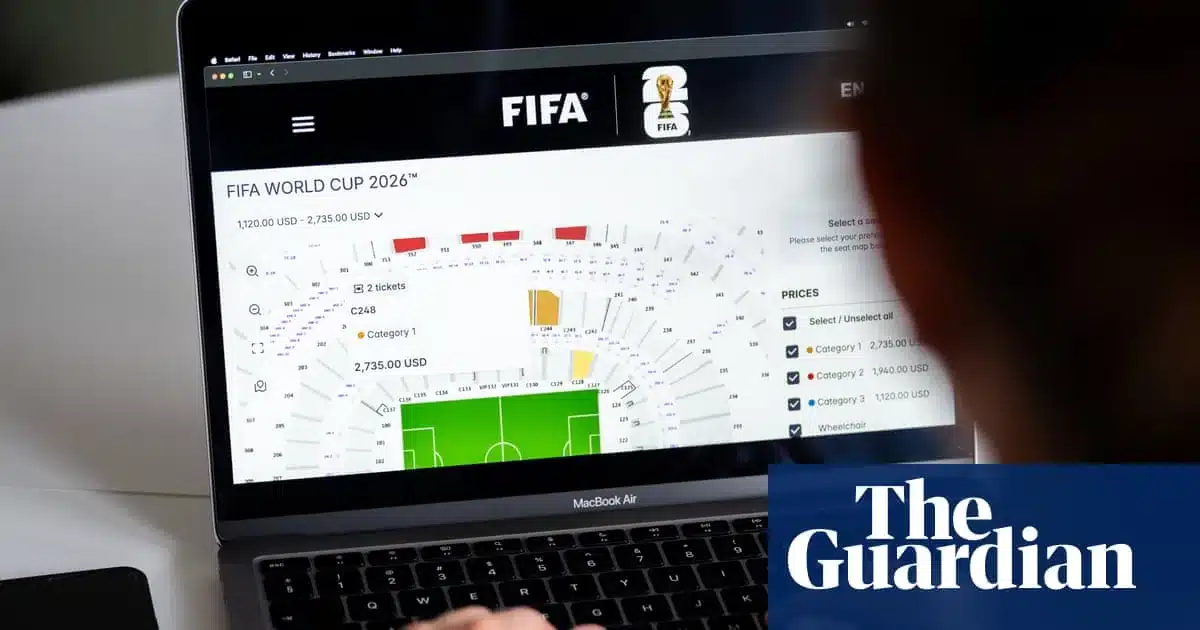
Thousands of football supporters travelling to the 2026 World Cup have reportedly been affected by what some describe as one of the largest ticketing issues in history. As the tournament progresses across 16 cities in the US, Canada, and Mexico, numerous fans have discovered their tickets, acquired through secondary marketplaces, were cancelled at the last minute.
This situation is attributed to ‘speculative ticketing’, a practice where unverified sellers list tickets they do not yet possess. These sellers anticipate being able to procure the tickets at a lower price closer to the event. However, when ticket prices escalate, sellers may withdraw from the agreement to resell the tickets for a higher profit, leaving buyers without their purchased access. While refunds may be issued for the tickets, these do not cover associated travel expenses.
Impact on Supporters
One supporter, Sergio Enrique Alvarado Montalvo, 45, spent $1,700 on StubHub to surprise his father with World Cup tickets. He was later informed that the seller could not provide them. Montalvo described feeling a mix of sadness, frustration, rage, and anger.
Another fan, Eben Pingree, 44, from Boston, experienced a similar issue. His wife, Caitlin, paid $2,800 on the same platform for tickets to the Scotland v Haiti match as a surprise for their 11-year-old son, Cole. Despite extensive travel arrangements, the tickets disappeared on the day of the match, leaving their son devastated.
Two other football fans, Julie Reeker Moghal and Reuben Renteria, have initiated a proposed class action lawsuit against StubHub. They allege that the resale platform failed to deliver tickets they had paid for. They are acting on behalf of themselves and others in similar circumstances.
The issues have led to numerous accounts on social media and in local news detailing stranded families, ruined trips, and significant financial losses. Brian Hess, executive director of the Sports Fans Coalition, a non-profit advocating for fans’ rights, stated that the system is deeply flawed and that consumers should not have to contend with such problems. Hess estimates that thousands of World Cup fans may have been affected.

Ticketing Challenges and Advice
StubHub has faced previous claims of failing to deliver promised tickets, according to Bradford Clements, an attorney and former Texas state prosecutor. Clements represents over 150 clients, both buyers and sellers, who claim they were misled or defrauded by StubHub and are owed $2.4m. Clements noted that these issues are not exclusive to World Cup matches.
A spokesperson for StubHub suggested that fans experiencing problems should contact them directly and request ‘World Cup specialist support’. The company attributed many of the World Cup issues to a new ticketing app introduced by Fifa just before the tournament. The spokesperson clarified that the problems were related to ‘transfer problems, not ticket problems’, citing significant performance issues with Fifa’s app that affected ticket transfers across all resale platforms, which they stated were beyond StubHub’s control.
Fifa, however, affirmed that Fifa.com/tickets, its primary ticket sales and official resale platform, is the official channel for the Fifa World Cup 2026, guaranteeing the validity and delivery of tickets purchased through its official platforms.
Consumer advocates and legal experts have offered advice for affected ticket holders. Hess recommends that fans who still wish to attend a game be persistent with customer service and demand tickets, rather than simply accepting a refund. If standard customer service is unhelpful, Chris Elliott, founder of Elliott Advocacy, advises escalating the complaint in writing to a manager.
However, fans should be aware that replacement tickets may not offer the same quality of seating. StubHub’s FanProtect guarantee promises comparable tickets, but comparability is often based on price rather than seat location. This could mean receiving ‘worse’ seats if the original purchase was made weeks in advance at a lower price point.
For those who no longer wish to attend a match, disputing the ticket charges with their credit card company is an option. Additionally, formal complaints can be lodged with regulatory bodies, such as the Federal Trade Commission and state attorney generals for US residents, or local consumer regulators for those outside the US. Social media pressure and local media attention are also considered influential in how StubHub and Fifa address the situation.
The issue highlights the ongoing debate around ‘ghost ticketing’, a practice that Emily Peterson-Cassin, director of competition and market fairness at the Consumer Federation of America, believes should be outlawed. A bill banning speculative ticketing, the Ticket Act, passed the House of Representatives last year but was later sidelined. Fans are encouraged to support renewed calls to Congress members to pass this legislation.
Many US consumers cannot sue companies like StubHub due to arbitration clauses. In such cases, customers may hire private lawyers for the arbitration process, which can take months. Attorneys suggest that accepting replacement tickets might reduce the likelihood of a successful arbitration outcome. This process involves sending a ‘notice of dispute’ via certified letter to a regularly changing StubHub address, followed by a review by the American Arbitration Association, which appoints an expert to decide the claims for a fee.
Consumer advocates continue to push for the repeal of forced arbitration. Peterson-Cassin emphasized the importance of consumer protection laws allowing individuals to pursue legal action to recover their money. As a final resort, Elliott noted that some disgruntled customers purchase shares in a public company to raise questions directly with executives at shareholder meetings. For future purchases, consumer advocates advise only buying ‘downloadable’ tickets that are immediately available, or purchasing directly from Fifa for the World Cup or from the venue for other events.
This situation comes amidst reports of extraordinarily high prices for football fans during the tournament, including one fan who spent his house deposit on a World Cup trip with his father, and others who faced costs for a train journey to an England group game.

Financial Strain on Fans
Beyond the ticketing issues, fans have encountered significant financial burdens. Some have paid record-high prices for match tickets. Additionally, a short round-trip train ticket to one of England’s group games was expected to cost a substantial amount.
One fan shared that he used his house deposit to fund a World Cup trip with his father. This decision was made ahead of England’s 2-1 victory over D.R. Congo in the last 32 of the tournament.
Source: metro.co.uk