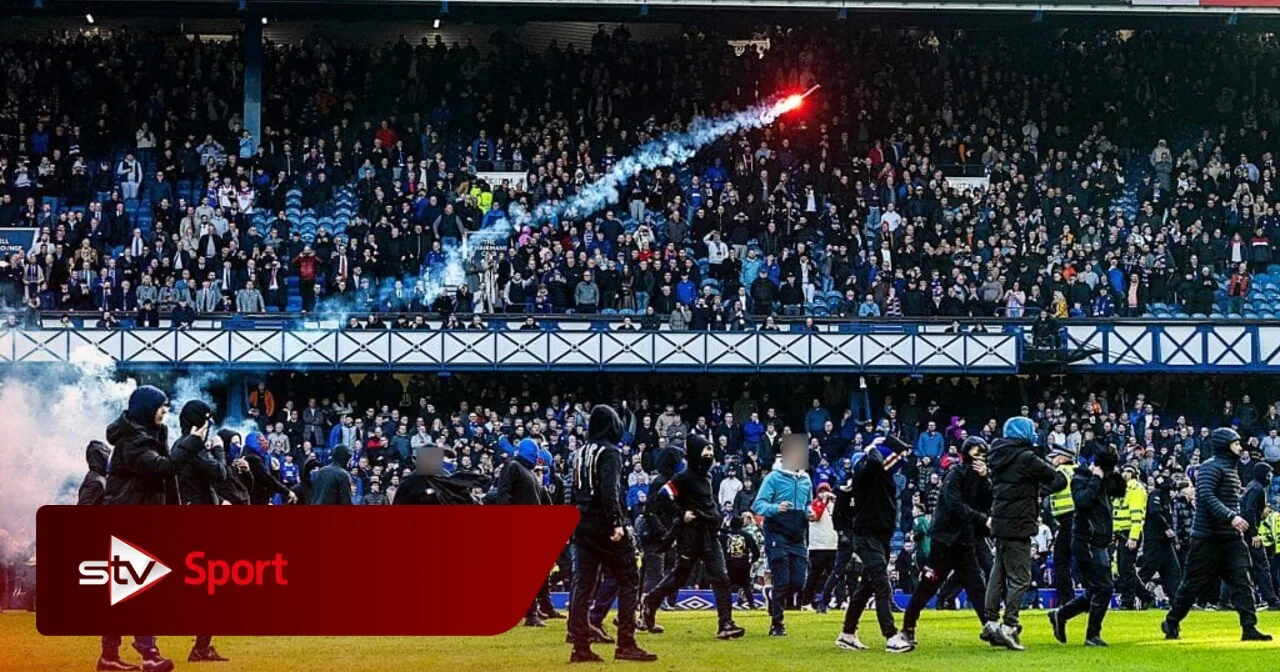
Rangers has issued a statement in response to the independent review concerning the match against Celtic on 8 March. The club acknowledged receipt of the review and condemned the disorder that occurred, which included forced entry, pitch invasions, violence, pyrotechnics, missile throwing, stadium vandalism, burning of tifo materials, and abuse directed at victims of the Ibrox Disaster.
The club expressed recognition for the distress caused to supporters, staff, and others affected, and commended the police and stewards for restoring order. Rangers stated its full cooperation with the independent review, accepting responsibility for areas within its control and committing to implementing lessons learned and recommendations to enhance its arrangements. The club also called for similar accountability from other involved parties.
Review Findings and Club Concerns
The independent review, published by the Scottish Football Association (SFA), also led to disciplinary charges against both Rangers and Celtic. Both clubs are accused of breaching SFA rule 37, which pertains to “good order and security” and “unacceptable conduct.” This rule covers policies and procedures, and whether clubs take appropriate measures to identify and address supporters involved in unacceptable behaviour. Hearings for both clubs are pending.
The review described the events of 8 March as a “near miss,” indicating that the scenes were close to becoming a “violent mass confrontation.” Lead author Mark Blackbourne highlighted that a “crushing incident was a real and foreseeable risk” due to “noncompliant Ultra group fans surging past police and stewards.” The report also noted that “Ultra groups exercise a power over clubs and the wider supporter base that is disproportionate to their size” and that there appears to be no independent external scrutiny of operational plans for high-risk fixtures by clubs or Police Scotland.
Rangers, however, stated that it does not accept every finding or factual assertion within the report. The club raised concerns regarding the review’s description and limited examination of the decision to allocate approximately 8,000 tickets to Celtic, which Rangers believes significantly altered the fixture’s risk profile. The club had previously voiced safety concerns but was informed that competition rules would be applied, and the increased allocation would proceed.
The club also argued that the independent review should have scrutinised the Scottish FA’s actions as thoroughly as those of clubs and other organisations, calling this a significant omission. Furthermore, Rangers disagreed with the report’s proposal for a pathway to restore full away allocations between the two clubs, stating this was outside the terms of reference and does not align with their position. The club confirmed it has no plans to reinstate historic Old Firm allocations at Ibrox and instead urged the Scottish FA to review its own ticket allocation rules and implementation in light of the match’s lessons.
Measures and Future Actions
Despite enhanced operational plans for the match, which included increased stewarding, ticket checks, additional resources at turnstiles and exits, and revised arrival arrangements, the club’s preparations were severely tested by those intent on causing disorder. As a result, further action is deemed necessary.
Rangers outlined several measures it will implement, including strengthening planning and safety for high-risk fixtures, with the Board overseeing these changes. Supporters will be involved in this process, including through the Fan Advisory Board. Since the match, the club has introduced a supporter conduct and sanctions policy, taking action against individuals identified through police investigations and other evidence. Ticketing accounts have been suspended, and bans enforced, with serious misconduct leading to serious consequences.
The review also pointed out that the current sanctions framework holds individuals accountable but largely insulates clubs from the consequences of supporter behaviour, providing “insufficient motivation” to curb issues. It called for stronger sanctions, such as stadium and stand closures, suggesting the SFA has disciplinary powers to act more severely but has chosen not to use them, describing the governing body as “too modest and too inconsistent.”
Rangers supports stronger national coordination, structured supporter involvement, and more effective legislative powers to manage safety and security across Scottish football. The club welcomed the Scottish Government’s consultation on strengthening Football Banning Orders, advocating for effective powers for police and courts to address serious misconduct, including tragedy abuse related to the Ibrox Disaster, in future legislation.
The club’s immediate focus is on engaging with the forthcoming disciplinary process and implementing necessary changes. Scottish FA chief executive Ian Maxwell stated that the organisation will work with the SPFL, clubs, Police Scotland, and the Scottish Government to prevent a recurrence of such events.
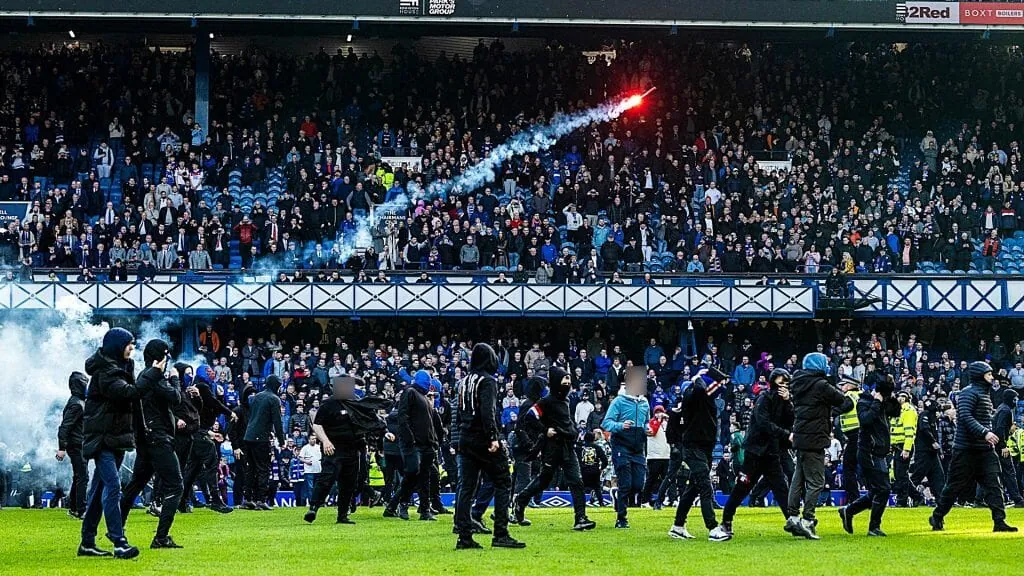
The independent SFA judicial panel will consider the review. The events of 8 March led to injuries to police and stewards, and at least 37 arrests have been made in connection with the trouble.
Source: rangers.co.uk