
On April 26, 2026, a wave of Australia New Zealand flight cancellations shocked travelers as major airlines grounded 34 flights and delayed an astonishing 272 more. Hundreds of passengers found themselves stranded at bustling airports, their plans unraveled amidst chaos.
The disruptions hit hard: Sydney recorded the highest number of cancellations—10 flights that failed to take off—while Melbourne’s Tullamarine Airport saw a staggering 84 flights either delayed or outright cancelled. Brisbane was not spared, with delays affecting 62 flights, and Auckland faced eight cancellations alongside 44 delays.
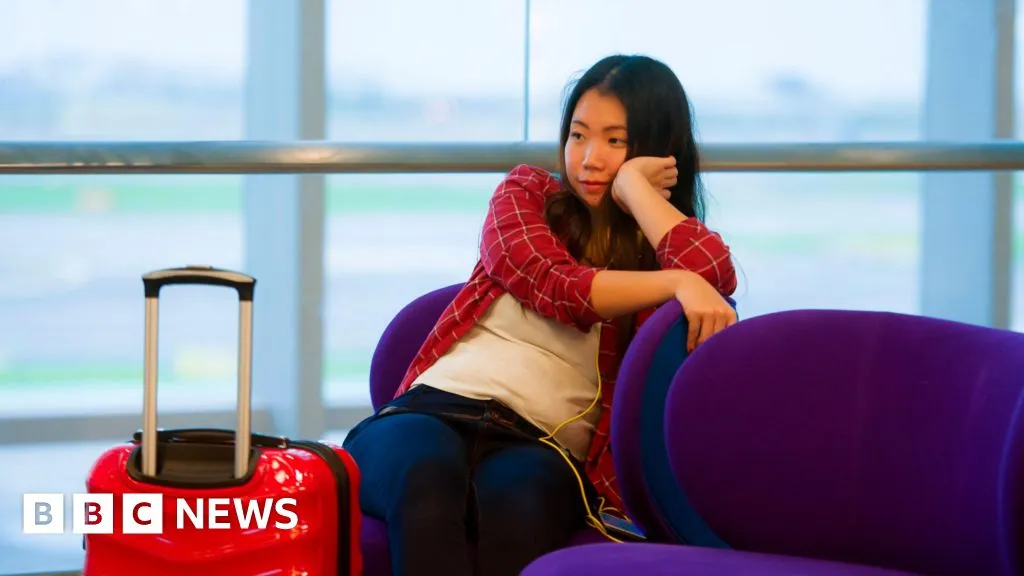
As the sun rose over Wellington, four flights were also grounded. The scene was chaotic; weary travelers huddled in terminal chairs, scrolling through their phones for updates that never came. Frustration hung heavy in the air. Many were left wondering about their rights regarding passenger compensation.
Yet, this disruption is not an isolated incident. The aviation network has been teetering on the brink for months now, exacerbated by rising fuel costs and the ongoing conflict in the Middle East. Airlines have struggled to maintain operations under such pressure.
Air New Zealand recently announced plans to reduce flights throughout May and June while increasing ticket prices—a decision directly linked to these rising costs. This decision only adds fuel to the fire of passenger dissatisfaction.
The impact of these cancellations ripples through more than just individual itineraries; it threatens broader economic implications for both nations’ tourism sectors. Travelers who had planned trips weeks or months in advance suddenly find their schedules upended.
As passengers waited for news from airline representatives, murmurs filled the air: Will airlines be able to recover from this? How will they address the backlog? These questions lingered unanswered as officials worked behind the scenes.
In the wake of this crisis, many are left contemplating their next steps—whether to seek alternative travel arrangements or wait it out in hope of resolution. For now, it seems that patience will be tested.
The next few days will be crucial as airlines scramble to restore normalcy amidst an aviation landscape that feels increasingly fragile.