
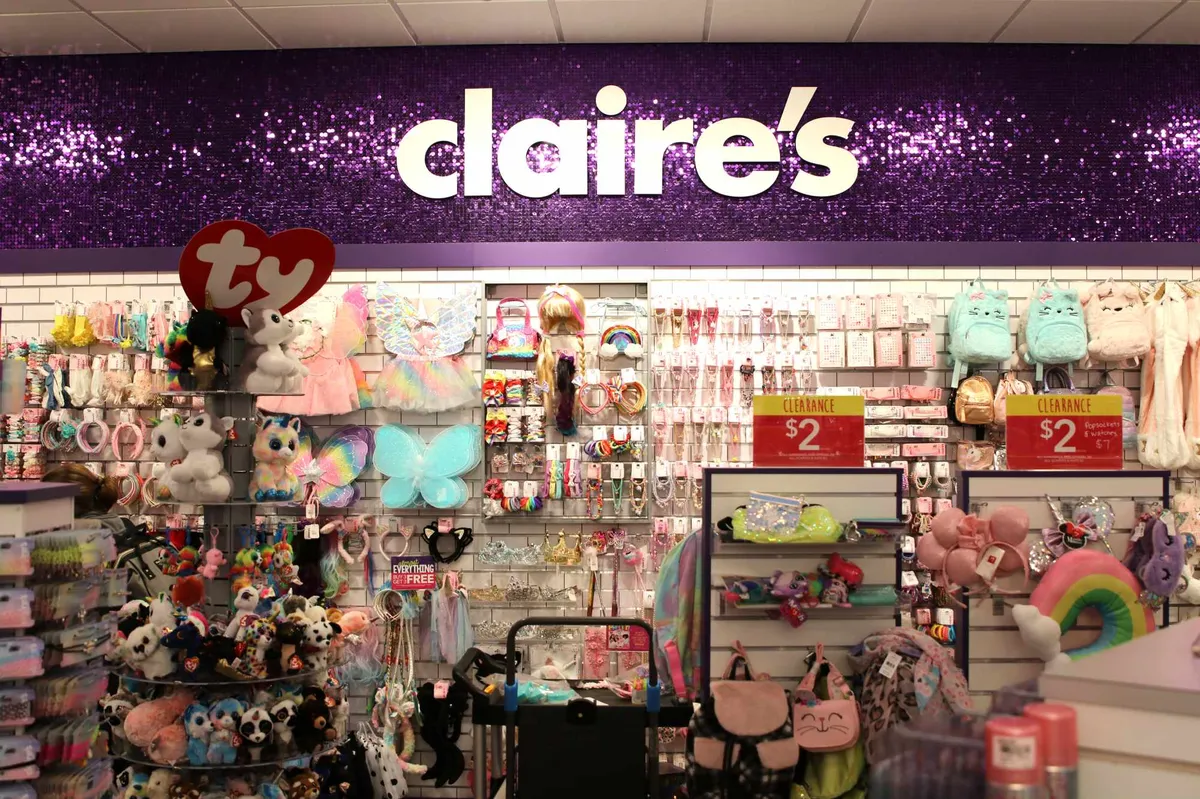
Claire’s has shut down all its UK stores, marking the end of its three-decade presence on British high streets. The closure affects 154 standalone locations, leading to over 1,000 job losses across the country.
As of April 27, 2026, a Kroll spokesman confirmed: “All standalone Claire’s stores in the UK and Ireland have ceased trading.” This announcement follows months of struggle for the iconic fashion accessories retailer, which collapsed into administration earlier this year amid fierce competition from online giants like Amazon and TikTok.
The company had been a staple since it entered the UK market in 1996, but by January 2026, it faced insurmountable challenges. With sales dwindling and customer footfall declining—particularly on the high street—Claire’s found itself unable to sustain its brick-and-mortar operations.
Notably, while all standalone stores have closed, Claire’s still maintains a presence through 356 concession outlets located within Asda supermarkets. This could provide a lifeline for some employees as discussions with landlords about new leases for former store sites are reportedly underway.
The loss of these stores marks not just a retail closure but also a significant shift in consumer behavior. For many young shoppers, Claire’s was synonymous with childhood memories—ear-piercing parties and glittery accessories. Now, those experiences will vanish from local high streets.
In total, the company lost approximately 1,300 jobs during this tumultuous period. All store employees have been advised of redundancy as they navigate this uncertain transition. Yet observers remain hopeful; there is talk of potential revival efforts for some locations.
However, the future of the Claire’s brand in the UK is clouded with uncertainty. Officials have not confirmed whether any plans to revive the brand will materialize or if it will fade into memory as another casualty of changing retail dynamics.
As this chapter closes for Claire’s, one can only reflect on how retail closures like this reshape not just shopping habits but also community landscapes—leaving behind empty storefronts where vibrant experiences once thrived.