
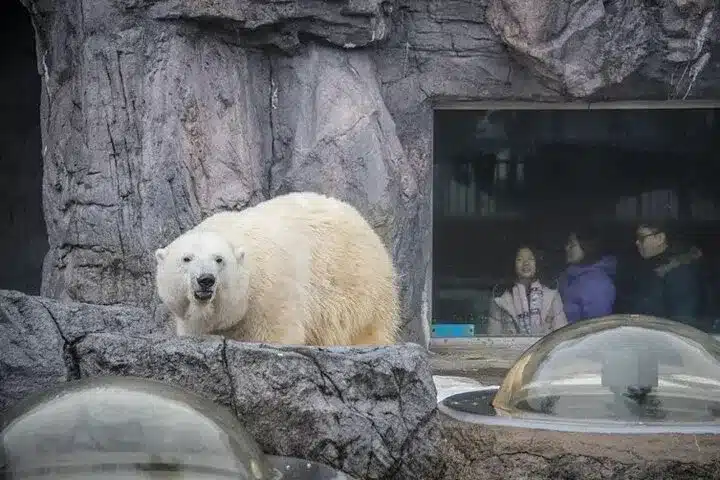
“The decision to postpone its opening was ‘painful'” — these words from Hirosuke Imazu, the zoo’s director, encapsulate the turmoil surrounding the Asahiyama Zoo in Hokkaido, Japan. Following a shocking confession from a zoo employee, who admitted to disposing of his wife’s body in the facility’s incinerator, the zoo faces an indefinite closure.
The incident, which has captured national attention, began with the woman being reported missing since late March 2026. Her husband, a man in his 30s, now stands accused of illegally dumping her remains.
Asahiyama Zoo, renowned for its innovative behavioral exhibits and as one of Japan’s most popular wildlife parks — welcoming over 1.33 million visitors in 2025 — had been closed for seasonal renovations just days before this tragic revelation surfaced.
Key facts:
- The zoo has been closed until May 2026 due to ongoing forensic investigations.
- The mayor of Asahikawa expressed regret over the inconvenience caused during Golden Week holidays.
- The investigation includes searching both the zoo’s incinerator and the employee’s home.
As forensic teams sift through ash and bone fragments from the incinerator, concerns mount not only about the implications for public safety but also about how this dark undercurrent of domestic violence reflects broader societal issues. As one reporting source noted, “The incident has exposed a dark undercurrent of workplace isolation and domestic tragedy in northern Japan.”
The economic ramifications are equally concerning; estimates suggest that the closure could lead to a staggering loss of approximately 150 million JPY in revenue for the city. A palpable anxiety lingers among local businesses that depend on the influx of tourists drawn by the zoo’s unique offerings.
In light of these developments, public voices have expressed their desire for normalcy: “We want things to return to normal as soon as possible.” The sentiment echoes throughout Asahikawa as residents grapple with both grief and uncertainty.