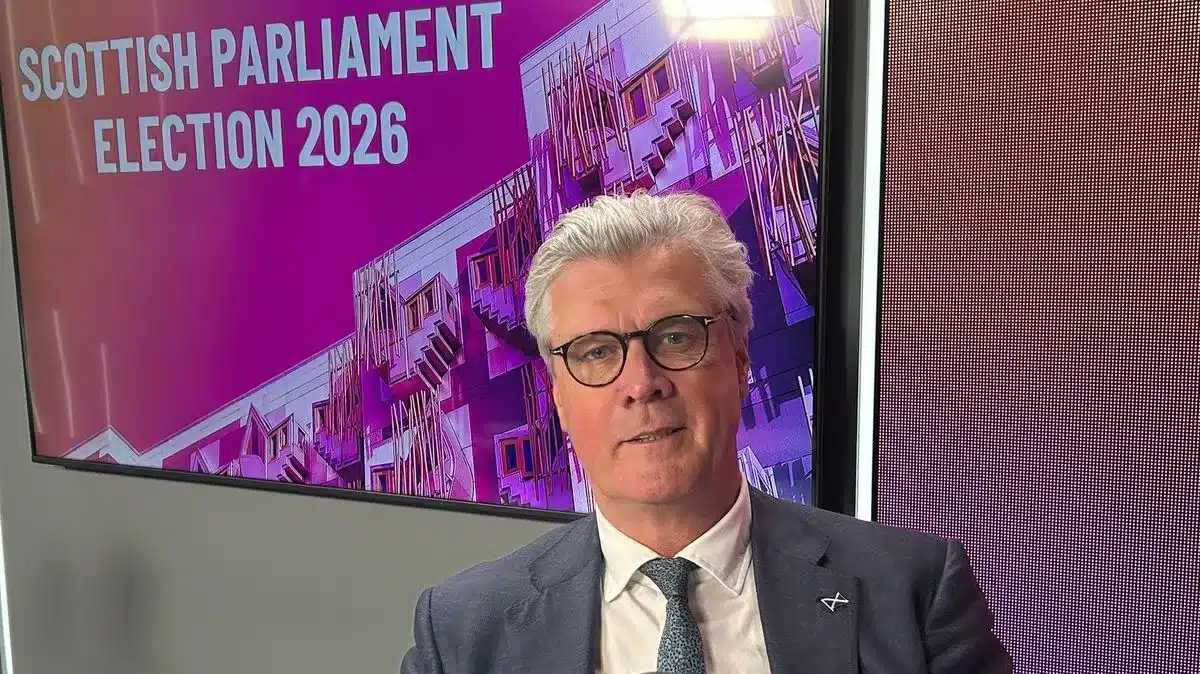
In the heart of Scotland’s political landscape, Malcolm Offord, leader of Reform UK in Scotland, stands at a crossroads where his considerable wealth intersects with pressing social issues. His ownership of six houses, six boats, and five cars has not only drawn attention but also sparked controversy, leading to the Scottish Greens’ proposal for an ‘Offord tax’ aimed at addressing the ongoing housing crisis.
The proposed ‘Offord tax’ seeks to increase tax rates for individuals who own multiple properties, a move designed to discourage property hoarding in a time when many struggle to find affordable housing. Ross Greer of the Scottish Greens articulated this sentiment sharply: “Nobody needs six houses, and it is baffling that Lord Offord thought that it was something to boast about, along with all of his yachts and cars.” This sentiment resonates deeply within a society grappling with its housing challenges.
Offord’s political ambitions are ambitious—he believes he can still become First Minister after the upcoming Holyrood election. Yet, his vision contrasts starkly with his critics who highlight his wealth amid a housing crisis. The juxtaposition is jarring: how can one advocate for efficiency in NHS funding and sensible immigration policy while simultaneously flaunting such affluence? Furthermore, he has dismissed initiatives like the baby box scheme as mere gimmicks, arguing instead for a focus on education that steers children toward technical careers.
The tension between Offord’s policies and his personal wealth raises critical questions about leadership and responsibility in Scottish politics. As he navigates these waters, he faces accusations that Reform UK is fostering anti-migrant sentiment—a claim he vehemently rejects. Still, the narrative surrounding his wealth continues to evolve.
Key facts about Malcolm Offord:
- Leader of Reform UK in Scotland
- Owns six houses, six boats, and five cars
- Proposed policies include making NHS more efficient while keeping it free at the point of need
As the debate unfolds, many are left wondering what this means for Scotland’s future. The upcoming Holyrood election will likely serve as a litmus test for Offord’s political viability amid growing scrutiny over his wealth and its implications for governance. The Scottish Greens’ ‘Offord tax’ proposal could be just one of many responses to a complex issue that intertwines economic disparity with political ambition.