
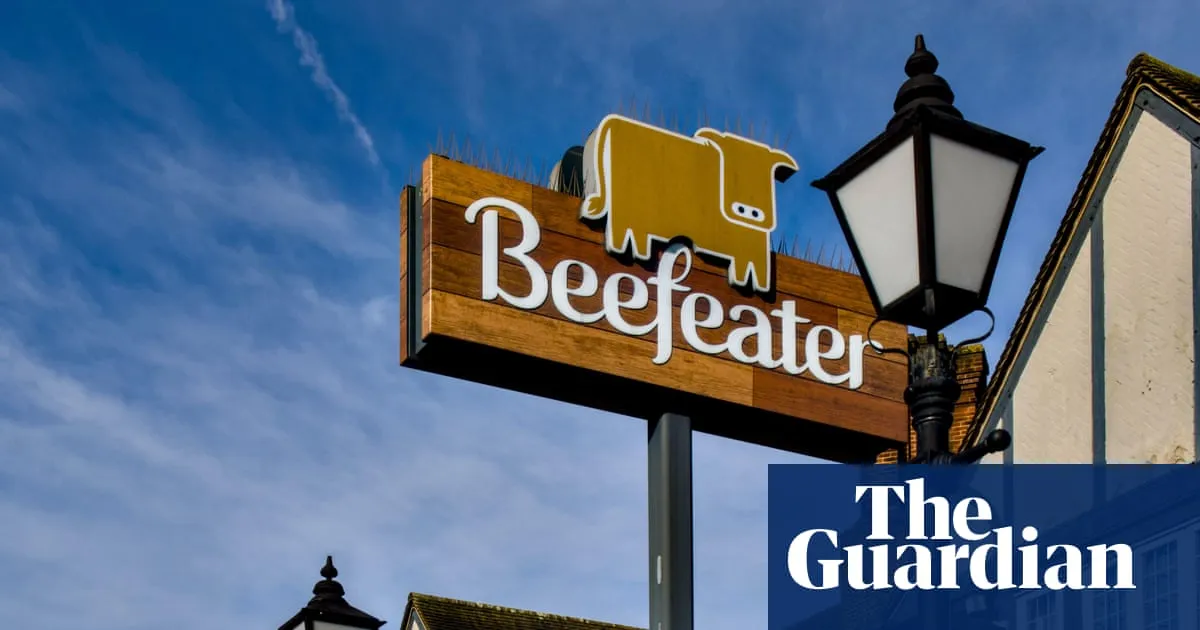
“It is disgraceful that Whitbread employees heard about the job cuts through the media,” said Colenzo Jarrett-Thorpe, reflecting the shock that reverberated through the workforce as news broke of Whitbread’s decision to close all remaining Beefeater and Brewers Fayre restaurants by April 30, 2026.
In total, approximately 3,800 job losses will stem from this sweeping closure. The company’s latest move marks a significant pivot in its business strategy, steering Whitbread toward an exclusive focus on its hotel operations, particularly the Premier Inn brand. This transition comes amid pressures from investors and aims to streamline operations while enhancing profitability.
The Beefeater brand, established in 1974, has long been a staple of British dining culture. Its closure signifies not just the loss of a restaurant chain but also the end of an era for many who have cherished its family-friendly atmosphere. As Whitbread prepares to transform its remaining establishments into integrated food and beverage models tailored for hotel guests, the implications for local communities are profound.
Key facts about the closures:
- Whitbread plans to save £250 million through these cost-saving measures.
- The company intends to sell and lease back £1.5 billion worth of freehold properties.
- Currently, Whitbread employs around 30,000 individuals across the UK and Ireland.
- In recent months, Whitbread’s shares have fallen by 20%.
- The Unite union is actively seeking consultations regarding the impending job cuts.
The decision aligns with Dominic Paul’s vision for Whitbread: “This plan will transform Whitbread into a higher-margin, higher-returning pure-play hotel business.” The company has faced scrutiny from Corvex, an American activist investor, prompting this strategic overhaul. Yet, even as it seeks to maximize value creation over the medium and long-term, uncertainty looms over how these changes will affect local economies reliant on those jobs.
As Whitbread embarks on this new chapter focused solely on hotels, many are left wondering what this means for the future of dining options within their communities. The next steps involve not only executing these closures but also managing the fallout among affected employees and adapting to an evolving hospitality landscape.