“We must see urgent action, as per our cost of living manifesto, to address these costs and help restore trust before even more households are pushed into serious financial hardship,” said Rocio Concha, a prominent advocate for economic reform. The statement resonates deeply with the current situation in Great Britain, where soaring living costs have dramatically altered household eating habits.
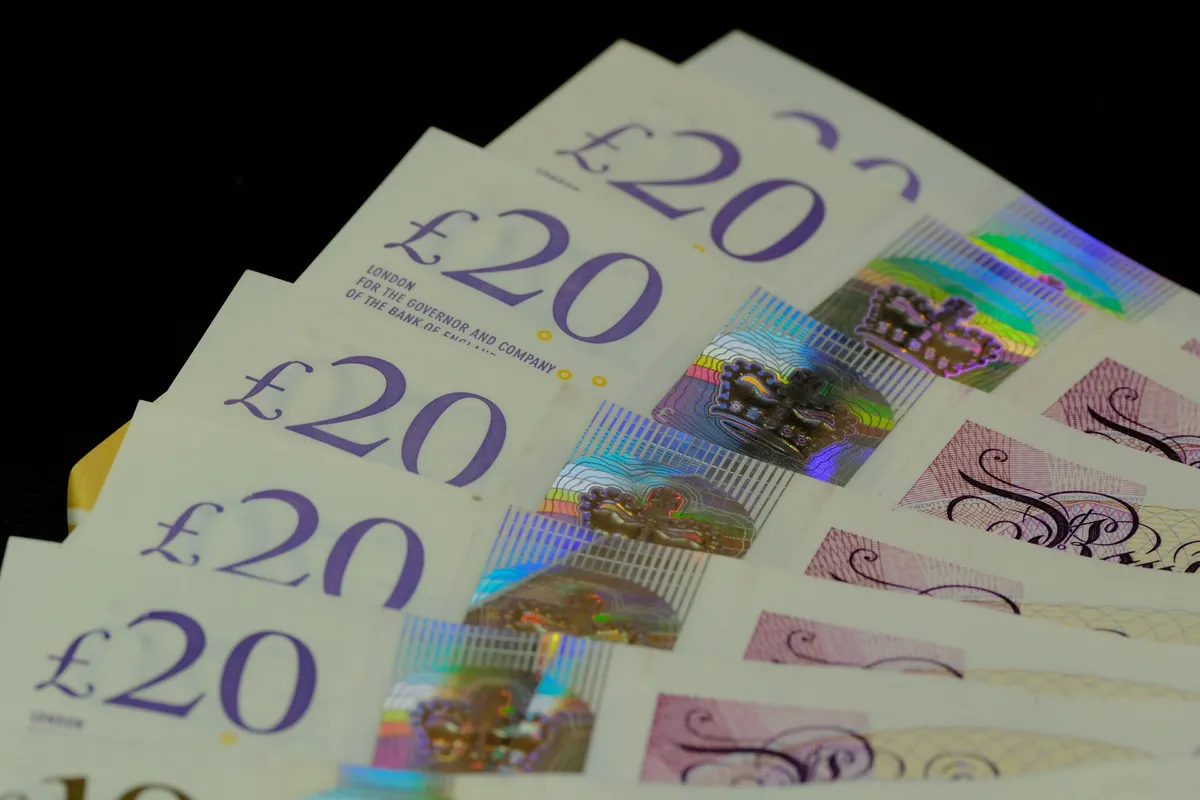
Recent reports reveal that approximately 3 million households in Great Britain are skipping meals due to escalating expenses. A staggering 85% of respondents express concern over food prices, while 71% of adults believe that the British economy will worsen within the next year. This widespread anxiety reflects a society grappling with financial instability.
The backdrop to this crisis includes rising fuel costs—8 out of 10 surveyed individuals are worried about these expenses. Moreover, the average percentage of unpaid bills has climbed to 7.5%, highlighting the strain on household budgets. These challenges are compounded by the fact that Great Britain boasts the highest property tax revenues among OECD countries, with over 3.5%% of GDP derived from such taxes in 2024.
The economic landscape is further complicated by national security concerns; Shabana Mahmood recently announced that the UK has raised its threat level to ‘severe’, indicating a high likelihood of terrorist attacks. Such developments not only affect public sentiment but also consumer confidence, which is crucial for economic recovery.
This situation marks a critical juncture for policymakers and citizens alike. As discussions about implementing a formal property tax resurface, it remains essential for leaders to navigate these turbulent waters carefully.
In light of these challenges, Rocio Concha’s call for action serves as both a warning and a rallying cry—a reminder that the time for decisive measures is now, lest more families face dire financial consequences.