
On the lush island of O‘ahu, Hawaii’s last remaining dairy farm, owned by Bahman Sadeghi, is fighting to revive local milk production amid a significant decline in the industry. Once a thriving sector with around 80 dairy farms in the 1950s, today’s landscape tells a different story.
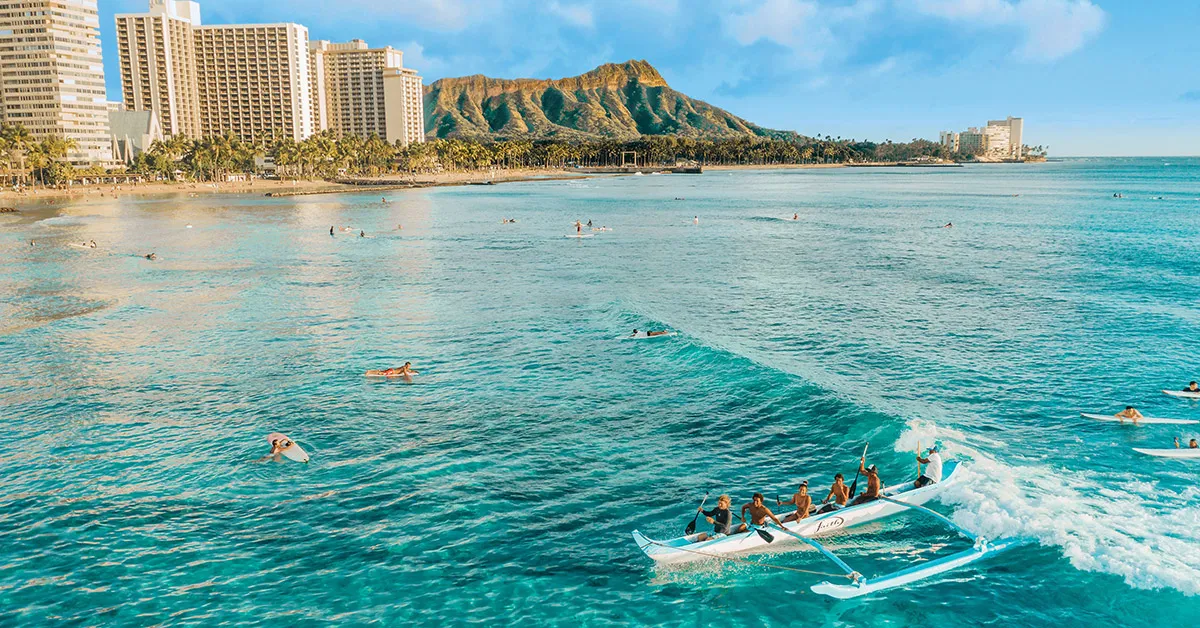
The decline can be traced back to various factors: rising costs, competition from imported milk, and changing consumer preferences. Tourists flock to iconic spots like Waikīkī Beach and Pearl Harbor, yet few consider the origins of their food. The cultural significance of local produce is fading, as Hawaiian cuisine increasingly relies on imports.
Key statistics:
- In the 1950s, Hawaii had approximately 80 dairy farms.
- The distance from the UK to Hawaii is about 7,200 miles.
- The USS Arizona Memorial serves as the final resting place for 1,102 sailors and marines.
Bahman Sadeghi’s farm stands as a testament to resilience. He believes that reviving local milk production is essential not just for economic reasons but also for preserving Hawaiian culture. As surfing culture thrives along the beaches, so too must local agriculture find its footing.
Yet challenges persist. Weather patterns shift unpredictably—forecasts suggest warm, humid air moving up from the south—but this does not guarantee sunny days for farmers. The future of dairy farming in Hawaii remains uncertain; no definitive plans have been laid out for revitalization.
As Sadeghi continues his mission amidst dwindling numbers and rising costs, he hopes that community support can breathe new life into this essential aspect of Hawaiian heritage. The conversation about local milk production must continue if it is to flourish once again.