
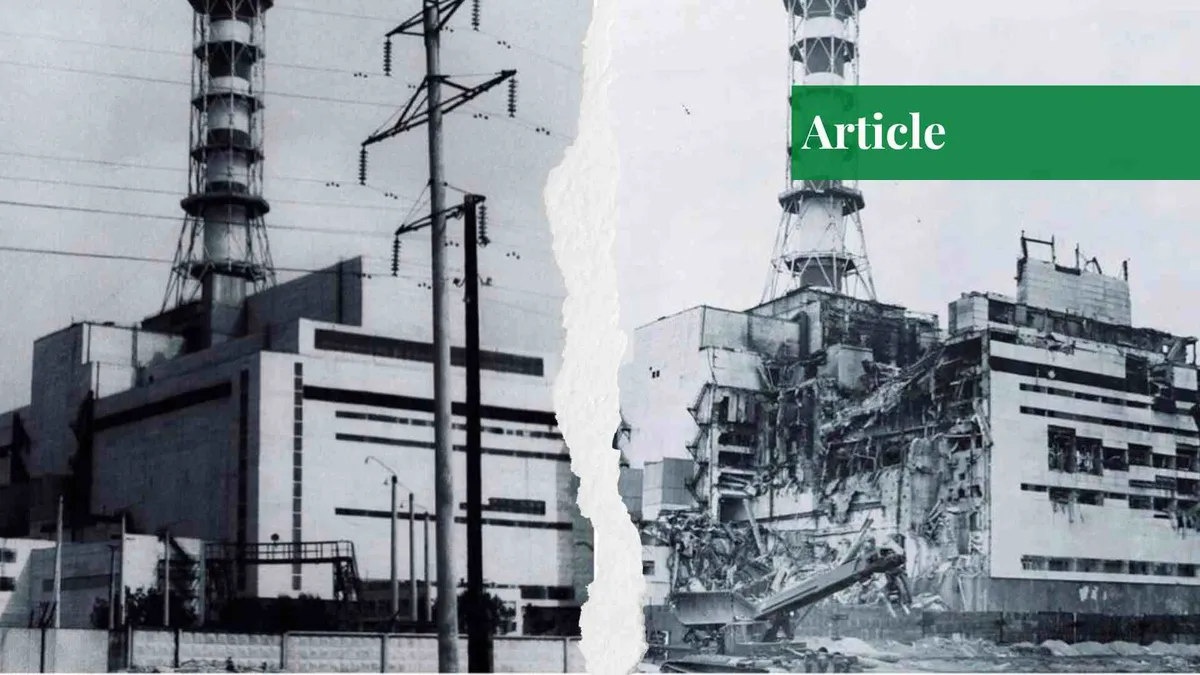
The atmosphere around Chernobyl is charged with tension as fears of another nuclear disaster grow. The recent Russian drone attack on the site has raised alarms regarding nuclear safety in Ukraine, igniting concerns among international observers and officials alike.
On the fateful day last year, a drone pierced the protective outer shell surrounding Chernobyl’s reactor No. 4, a site still reeling from the catastrophic explosion that occurred in 1986. This incident is not an isolated one; it follows a pattern of escalating threats to nuclear facilities across Ukraine.
As tensions escalated, Russian forces occupied the Zaporizhzhia Nuclear Power Plant in March 2022, and since then, the facility has suffered its 13th blackout. Experts warn that despite all six reactors being turned off, the situation remains dire.
The implications of these events are profound. International collaboration efforts aimed at ensuring nuclear safety have been jeopardized by these aggressive actions. Volodymyr Zelenskyy’s administration has expressed deep concern, while Rafael Grossi of the International Atomic Energy Agency (IAEA) has called for urgent measures to prevent further escalation.
Key facts:
- Chernobyl’s reactor No. 4 was completely destroyed in the explosion in 1986.
- A Russian drone attack last year pierced the protective outer shell around Chernobyl’s reactor No. 4.
- Russian forces have occupied the Zaporizhzhia Nuclear Power Plant since March 2022.
- The Zaporizhzhia plant has experienced its 13th blackout since the invasion began.
In light of these developments, experts like Alexandra Bell emphasize that we are “extremely close to any number of potential catastrophes in the nuclear space.” The Doomsday Clock now stands at 85 seconds to midnight, its closest position ever recorded.
Officials and analysts alike warn that without immediate action, we could witness a tragic repeat of history. Shaun Burnie stresses that Rosatom must be prevented from attempting to restart any reactors under such precarious conditions.
This sequence of events serves as a stark reminder of the persistent nuclear risks posed by geopolitical conflicts. As discussions continue about international collaboration for nuclear safety, one thing remains clear: vigilance is crucial.