
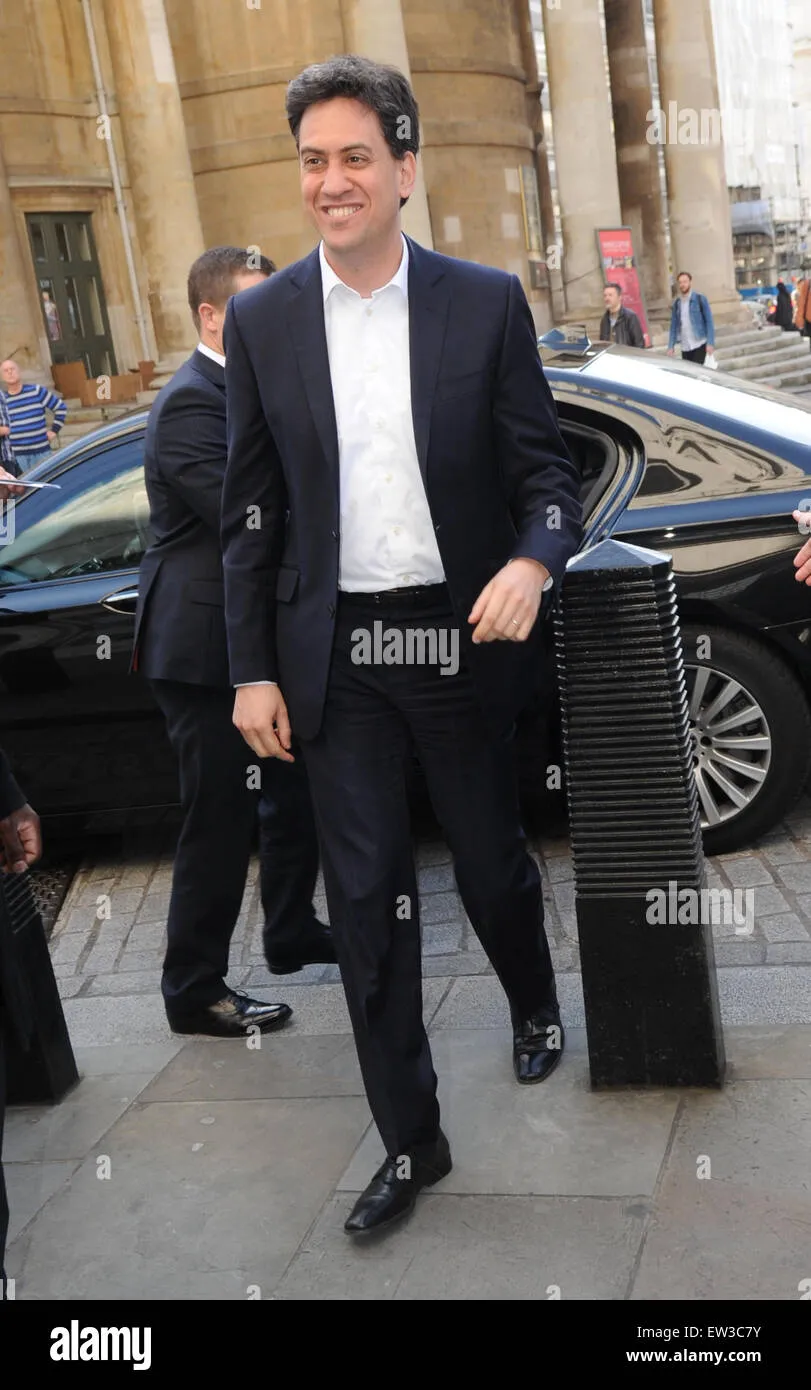
On March 5, 2026, Ed Miliband’s staunch opposition to US military action in Iran ignited a significant rebellion within the Labour Party’s Cabinet. His resolve not only challenges the party’s direction but also raises questions about Britain’s role in the escalating Iran conflict.
Miliband’s position became evident during a National Security Council meeting where he articulated a clear, pacifist argument against participating in strikes on Iran. He emphasized that Britain should not commit military forces without a definitive plan—an appeal that resonated with many, including Chancellor Rachel Reeves and Foreign Secretary Yvette Cooper, who backed his stance. The meeting, however, took an unexpected turn when Prime Minister Sir Keir Starmer reversed course, permitting the US to utilize British bases for defensive purposes.
This internal strife echoes historical precedents; Miliband previously spearheaded efforts to block military intervention in Syria back in 2013. His current actions are not merely reactive but indicative of a broader concern regarding military entanglements and their ramifications for UK foreign policy.
Key facts surrounding this event:
- Miliband led Labour’s rebellion against US military action.
- The Chancellor and Foreign Secretary expressed support for his position.
- The Prime Minister ultimately allowed US access to British bases.
As tensions rise over the potential for conflict, the UK faces its most profound energy crisis yet. Amidst this backdrop, BP reported first-quarter profits of £2.4 billion, which has prompted Miliband to threaten a windfall tax on their global earnings—a move that some believe could jeopardize BP’s continued presence in the UK. He warned that if BP were to exit the UK market, it would signal that Britain is ‘closed for business.’
Recent statements highlight the stakes:
- “We could not commit British military forces without a clear plan,” stated Miliband during discussions.
- Wes Streeting remarked on past hesitations: “Looking back on the events of 2013… created a vacuum that Russia moved into.”
- Critics have suggested that Miliband’s comments threaten BP’s viability: “Miliband has just opened his big mouth, and threatened its very presence on these shores.”
The ripple effects of Miliband’s actions extend beyond politics; they touch upon critical economic concerns as well. With BP contributing £4.4 billion to the Treasury last year and supporting approximately 75,000 jobs through its supply chain, any instability could reverberate through the economy.
This unfolding drama within the Labour Party underscores a pivotal moment—one where foreign policy decisions intersect with domestic economic realities. As tensions with Iran escalate and energy prices soar, how will the party reconcile its internal divisions while addressing pressing national interests?