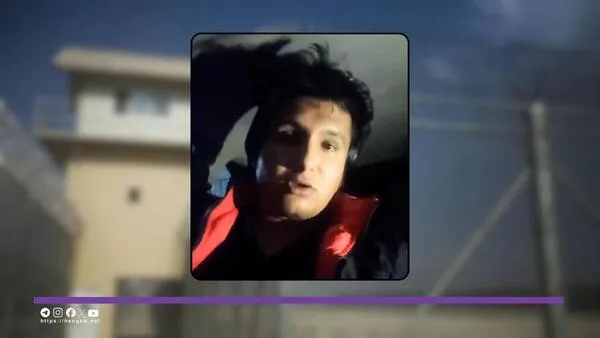
On May 2, 2026, Dariush Rafiee Taghanki, a former political prisoner and member of the Qashqai Turk community, was apprehended after spending four months in hiding. His arrest followed a dramatic raid by government forces on April 30.
Authorities have not disclosed any information regarding the arresting body, his place of detention, or the charges against this former political prisoner. Meanwhile, on the same day of Taghanki’s arrest, Iran executed two men—Nasser Bakerzadeh and Yaghoub Karimpour—without notifying their families or lawyers.
Key facts about the executions:
- Bakerzadeh’s death sentence had been overturned twice by the Supreme Court.
- Karimpour faced severe pressure to produce forced confessions during his trial.
- Both men were transferred to solitary confinement before their executions.
The circumstances surrounding Bakerzadeh’s execution are particularly striking. He was only 28 years old, and his legal battles had drawn considerable attention from human rights advocates. Karimpour described spending more than two months at the Ministry of Intelligence detention centre in Orumiyeh under inhumane conditions—conditions that many argue violate basic human rights.
Taghanki’s situation is emblematic of the broader issues within the Iranian judiciary system, where political dissent often leads to severe repercussions. The Iranian authorities’ actions reflect ongoing security pressures that have intensified since early January 2026.
No information on the exact charges against Taghanki has been disclosed, leaving many to speculate about his fate. As protests erupt over these recent events, voices calling for justice grow louder.