
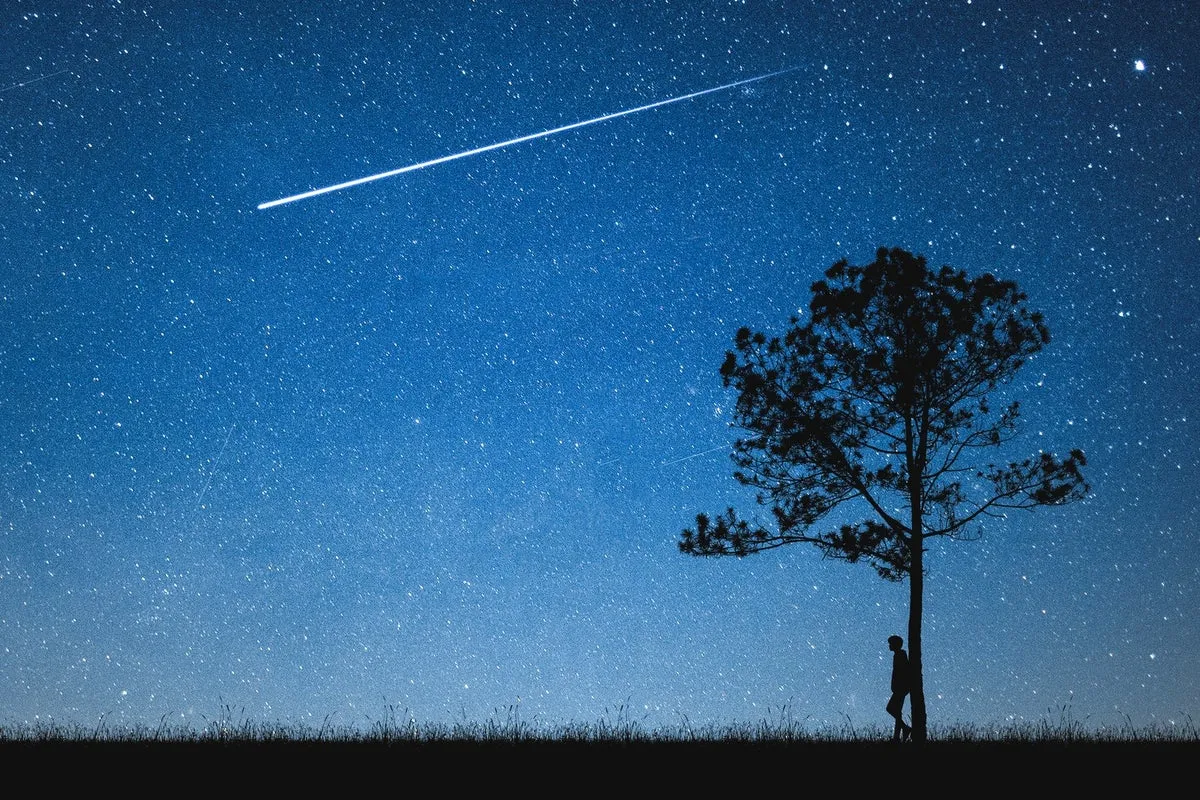
The upcoming Eta Aquarid meteor shower peaks on May 6, 2026, but its brilliance is expected to be overshadowed by an 84% full moon, especially for observers in the Northern Hemisphere. While the Southern Hemisphere may witness up to 50 meteors per hour under ideal conditions, those north of the equator can expect fewer than 10.
Previously, excitement surrounded this celestial event as enthusiasts prepared for a night filled with shooting stars, anticipating a spectacular show. The Eta Aquarids are remnants from Halley’s Comet—an astronomical phenomenon that graces our skies approximately every 76 years. This year, however, the moon’s brightness will create significant light pollution, dulling the impact of the meteors.
The immediate effect of this lunar interference is palpable among stargazers. Teri Gee from the American Meteor Society noted, “For us in the Northern Hemisphere, it’s not going to be as impressive.” With the peak viewing time set between midnight and 4:25 AM, many might find themselves squinting against the glare of the moon rather than marveling at the cosmic display.
But all hope isn’t lost for Northern Hemisphere observers. The Royal Museums Greenwich advises patience: “Hunting for meteors…is a waiting game, so it’s best to bring a comfy chair to sit on and to wrap up warm as you could be outside for a while.” This echoes the sentiment that even amidst challenges, the thrill of stargazing remains a cherished experience.
As experts weigh in on this cosmic event, they remind us that meteor showers occur when Earth traverses through trails of debris left by comets or asteroids. In this case, Halley’s Comet left behind a rich trail that sparks awe each spring.
In light of these conditions, it’s essential for stargazers to adjust their expectations. While Southern Hemisphere observers may revel in a dazzling display, their Northern counterparts will have to contend with limited visibility. As they prepare for this celestial event, many will find themselves longing for clearer skies and darker nights.