
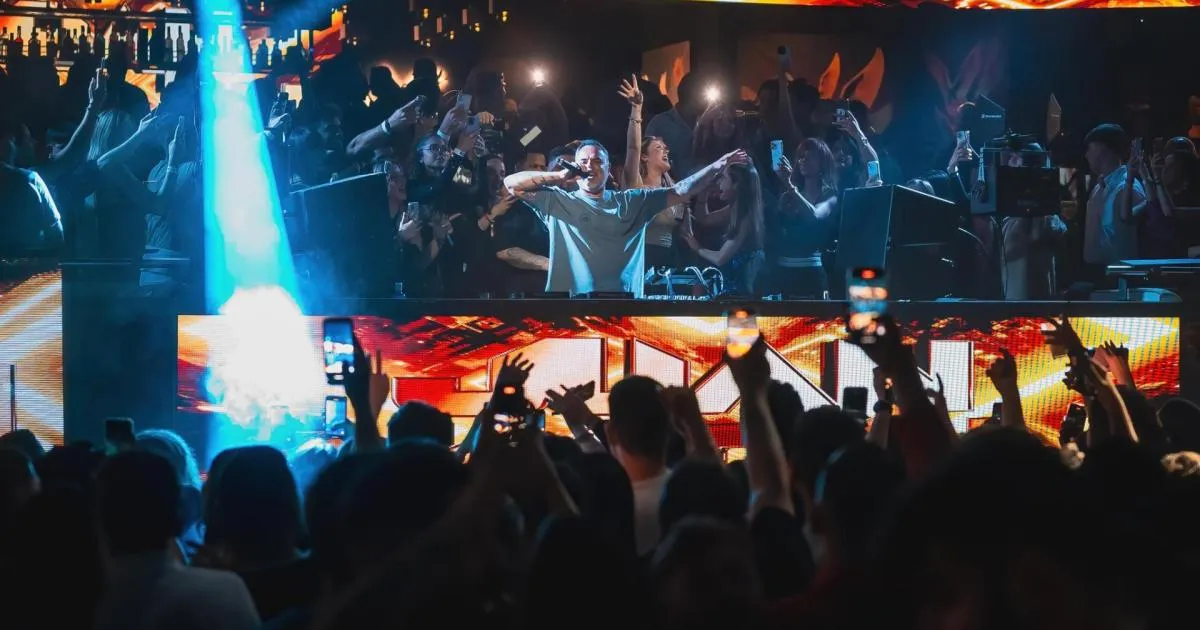
As the sun sets over Mallorca, the island’s vibrant nightlife is poised to face a significant downturn. Once a favored destination for revelers, this summer season is predicted to yield lower revenue than in 2025 due to diminishing local and tourist spending.
The atmosphere shifted dramatically when local businesses reported dwindling foot traffic. Miguel Pérez-Marsá, president of the CAEB Restaurants Association, remarked, “We were already coming off a slow year, and now the forecast is for even lower attendance and, consequently, lower revenue.” This sentiment echoes throughout the island as clubs respond by shortening their operating hours—focusing primarily on weekends to contain costs.
In stark contrast stands Liverpool, which has gained recognition as one of the safest cities for nightlife in recent years. With a remarkable 60% of people feeling secure walking around the city center after 10 PM, this bustling urban hub has cultivated a reputation that draws both locals and tourists alike.
Key statistics about Liverpool’s nightlife safety:
- Liverpool has held Purple Flag accreditation for sixteen consecutive years, indicating a commitment to maintaining a safe night-time economy.
- Despite this positive outlook, 75% of individuals in the LGBT+ community report feeling at risk of harassment during nights out.
- Additionally, 71% of women surveyed expressed fears of sexual assault while enjoying their evenings out.
The city has taken proactive steps to address these concerns. The night-time safety charter, supported by over 125 businesses, aims to enhance safety standards through staff training focused on harassment prevention. Clive Duffey from the Ask for Clive initiative stated, “Our sticker is placed at the front door of venues to recognise them as an inclusive hate-free space… it’s about venues creating a culture of safety.” This initiative reflects a broader commitment to fostering an environment where all patrons can enjoy their nights without fear.
Joe Maguire from the Liverpool BID company asserts that improvements can always be made: “Some venues do enough but some don’t.” This acknowledgment highlights that while strides have been made in ensuring nightlife safety, ongoing vigilance is necessary.
The juxtaposition between Mallorca’s struggling night scene and Liverpool’s thriving atmosphere underscores a larger narrative about urban nightlife today. As Mallorca grapples with financial decline amidst changing tourist behaviors, Liverpool emerges as a beacon of hope—demonstrating that with concerted efforts toward safety and inclusivity, vibrant nightlife can flourish even amid prevailing concerns.