
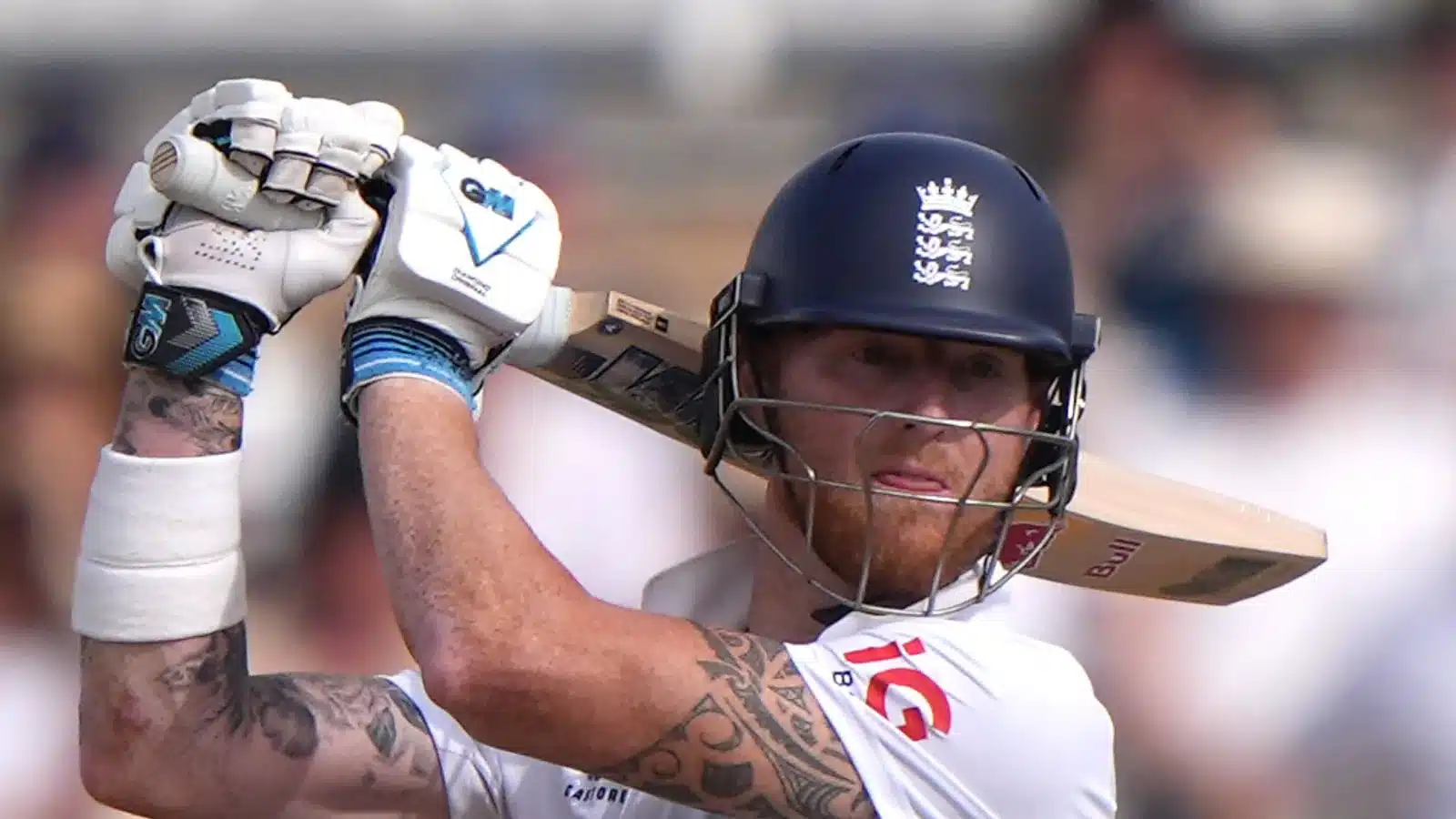
Stokes’ retirement and immediate impact
Ben Stokes, a prominent figure in English cricket, announced his retirement from international cricket on Sunday, with the third Test against New Zealand marking his final appearance. The decision was made public on day four of the match, during which Stokes took the wicket of Zak Foulkes after the announcement. He later promoted himself to open the batting, scoring 30 runs as England reached 103-4.
Stokes confirmed that ending his international career was the “best thing” for him, although he plans to continue playing for Durham. He denied that the decision was a direct result of recent events, including a nightclub incident that led to him missing the second Test. He explained that thoughts about his future had been present before the New Zealand series opener at Lord’s, noting that the Lord’s Test brought back “negative feelings” about his career.
Calls for leadership changes
Following Stokes’ retirement, former captain Michael Vaughan suggested that further leadership changes are necessary in English cricket. Vaughan stated he would be “absolutely staggered” if the current leadership group remained intact. He highlighted a perceived “lack of trust” between Stokes and the England and Wales Cricket Board (ECB) after the nightclub incident.
Vaughan believes that there will be changes at the top of English cricket, particularly in the context of the team’s performance over time. He even speculated about the possibility of a new leadership group approaching Stokes for a return to international cricket, given his continued strong performance.

Stokes’ captaincy and legacy
Stokes’ captaincy, which began in 2022, brought a significant transformation to the England Test team. Under his leadership, England has had a period of play that is a stark contrast to their previous record of one win in 17 Tests under his predecessor. This period was characterised by an aggressive, all-out attack style of play, banishing the fear of failure.
His tenure saw numerous records broken, particularly during an overseas trip to Pakistan where England secured three victories on surfaces that previously would have resulted in draws. This approach, developed in conjunction with coach Brendon McCullum, encouraged the team to “run towards danger with a smile,” making Test cricket enjoyable for many. While this system has faced challenges against top teams like Australia and India on their home grounds, Stokes has been a significant figure in Test cricket.
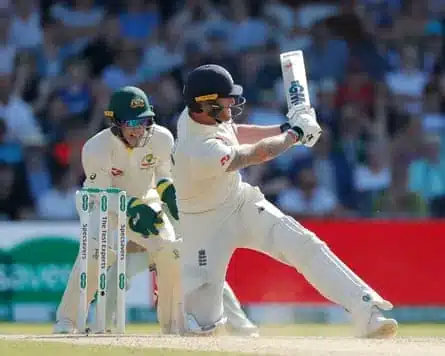
Stokes’ career has been marked by both brilliance and controversy. He was sent home from a Lions tour in 2013 for disciplinary breaches but later made his England debut in Adelaide that year, scoring a century in Perth against a strong Australian pace attack. His combative nature was evident early on, with teammate Graeme Swann reportedly advising Brad Haddin not to provoke the young Stokes due to potential consequences.
Key moments in his career include his role in the 2015 Ashes victory, and despite a setback in the 2016 World T20 final, he continued to be a central figure. A nightclub incident in Bristol in 2017, for which he was later found not guilty of affray, led to a period of intense training and a determination to atone for mistakes, further improving his cricketing abilities. His contributions to the 2019 World Cup win and his match-winning innings at Headingley in the 2019 Ashes are considered among his notable performances. Brendon McCullum described Stokes as a “legend that inspires” young players.
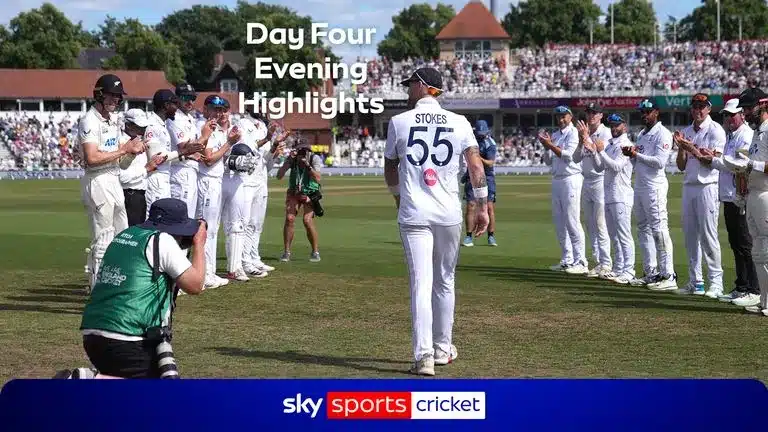
The decision to retire from international cricket was described as a “tough” one by Stokes, who stated he gave himself significant time and spoke to many people throughout the process. He confirmed his intention to play for Durham, his boyhood club.
Source: bbc.co.uk