
Controversial VAR Decision
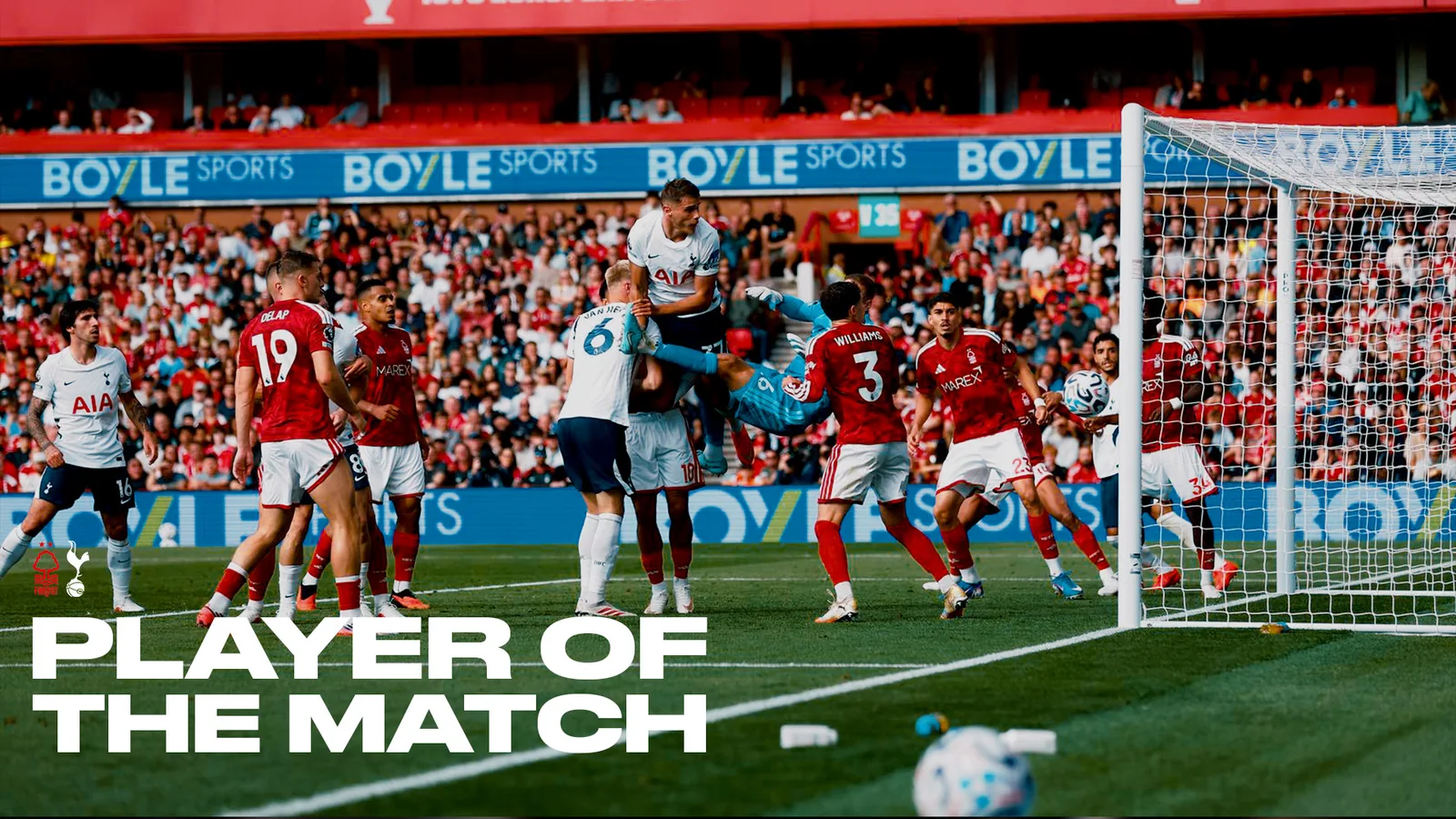
Nottingham Forest manager Oliver Glasner expressed his frustration regarding a video assistant referee (VAR) decision that disallowed a goal from Neco Williams during their 0-0 draw against Tottenham. Glasner stated that the VAR, Peter Bankes, should not have intervened, suggesting that the decision was based on guesswork rather than clear evidence.
The incident occurred in the second half at the City Ground when Williams’ effort was ruled out. Initially, referee Craig Pawson had awarded the goal. However, VAR review led to the goal being chalked off, with Williams deemed to have handled the ball just before scoring amidst a scramble in the Tottenham penalty area.
Glasner highlighted that he reviewed multiple angles of the incident. He noted that while one angle might suggest the ball touched Williams’ arm due to a slight shirt movement, it was not definitively clear whether it was the ball or Sandro Tonali on the goalline that made contact. The Forest manager argued that VAR intervention is only justified when there is a “clear and obvious” error, and in this instance, he believed the evidence was not conclusive enough.
The Premier League‘s official match centre later provided an explanation for the decision, stating that VAR determined Williams handled the ball immediately before scoring, leading to the recommendation for disallowing the goal. According to the rules, if the ball strikes the goalscorer’s arm immediately before a goal, it must be ruled out, even if the contact is accidental.
Player’s Perspective and Inconsistency Concerns
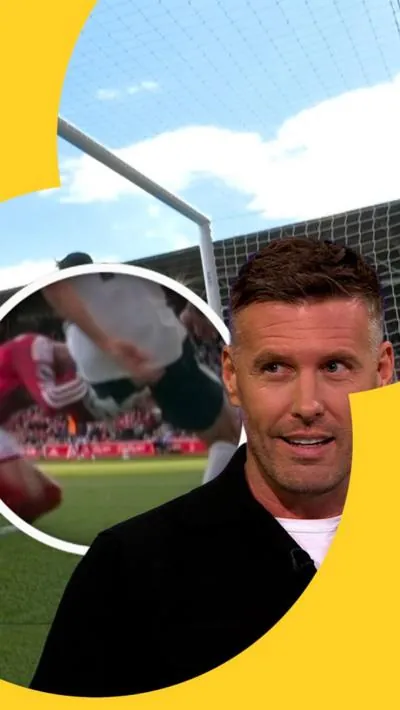
Neco Williams himself vehemently denied that the ball struck his arm. Speaking after the match, the Forest full-back insisted that he headed the ball down between his arms and was at a loss as to why the goal was disallowed. He reiterated that VAR is meant for clear and obvious errors, and from his perspective, this was not one of them.
Glasner further pointed to a pre-season briefing where clubs were informed that the threshold for VAR intervention would be very high for the current season. He viewed the decision as inconsistent with these guidelines, asserting that if a situation is not 100% clear, the on-field decision should stand. He conveyed his belief to the referee after the game that the goal should have been allowed.
The core of the debate often revolves around definitively proving whether the ball made contact with the arm. Williams’ insistence that the ball came off his head, not his hand, presents a challenge for VAR, which relies on visual evidence. The close proximity of his head and hands in the play further complicates definitive judgment.
The Nature of VAR Decisions
This particular VAR decision is considered a factual overturn, meaning VAR Bankes was looking for definitive proof that the ball touched Williams’ arm. This differs from subjective incidents, such as potential penalties, which fall under the “clear and obvious error” threshold. Definitive proof is often seen as a higher bar to meet for overturning an on-field decision.
The situation highlights a recurring frustration with VAR: the subjective judgment of officials in the VAR room. It is acknowledged that a different VAR on another day might interpret the evidence differently, potentially allowing such a goal to stand if they felt the threshold of proof had not been met. This variability in interpretation continues to be a significant point of contention.
The outcome of the match saw Tottenham secure their first Premier League point of the campaign with the 0-0 draw. The visitors, under Roberto De Zerbi, had periods of bright play, particularly in the opening 25 minutes of the second half, but were unable to significantly test Forest goalkeeper Matz Sels. The stalemate marked Tottenham’s first point at the City Ground in nearly three years.
Source: bbc.co.uk