
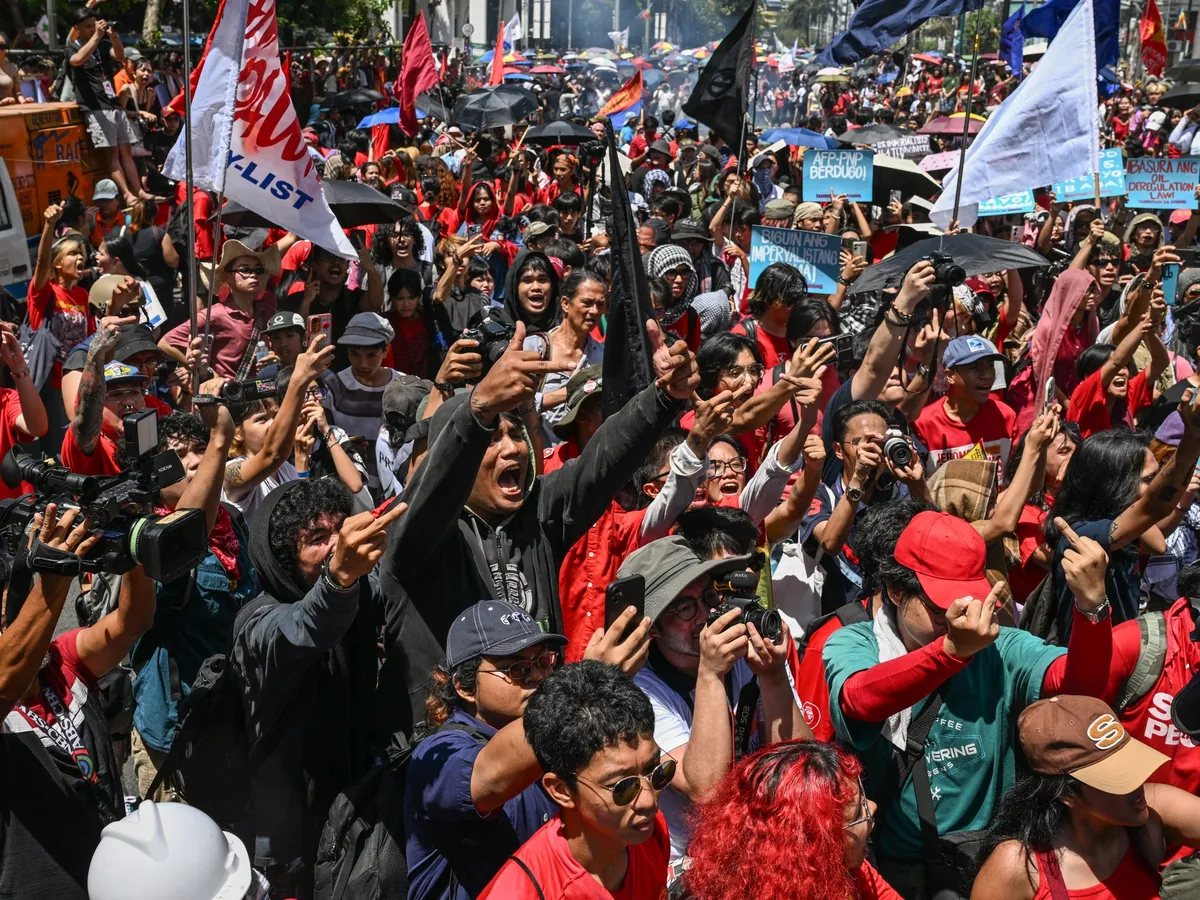
On May 1, 2026, Labour Day rallies erupted across the globe, as workers gathered to protest against escalating energy prices and to demand solidarity in the face of a looming economic crisis. From the bustling streets of Paris to the vibrant squares of Manila, trade unions rallied their members, highlighting the urgent need for protection of workers’ rights amid rising costs and geopolitical tensions.
The immediate circumstances are stark: reports indicate that over 550,000 workers across Gaza and the West Bank currently have no income due to the ongoing conflict. In Argentina, thousands took to the streets protesting President Javier Milei’s controversial overhaul of labour protections. Meanwhile, trade unions representing 93 organizations under the European Trade Union Confederation echoed sentiments of solidarity and collective bargaining as essential tools for navigating these turbulent times.
As the world grapples with an economic crisis exacerbated by rising fuel prices, the significance of International Workers’ Day—first proclaimed at the International Workers Congress in Paris in 1889—resonates deeply. Historical events like the Haymarket Affair in 1886, which marked a pivotal moment in the labour movement, serve as reminders of the struggles faced by workers throughout history. Today’s protests are not merely commemorations; they are urgent calls to action.
Voices from around the world:
- The European Trade Union Confederation declared, “Working people refuse to pay the price for Donald Trump’s war in the Middle East.”
- Josua Mata from the Philippines stated, “Every Filipino worker now is aware that the situation here is deeply connected to the global crisis.”
- Renato Reyes emphasized, “There will be a louder call for higher wages and economic relief because of the unprecedented spikes in fuel prices.”
The protests reflect broader concerns about a potential global recession. The interconnectedness of today’s economies means that local issues resonate on an international scale. As workers demand better wages and conditions, they also highlight how their struggles mirror those faced by others worldwide.
In Gaza, however, May Day events were cancelled due to severe economic constraints—a poignant reminder of how conflict can stifle even the most fundamental expressions of solidarity. This cancellation speaks volumes about the dire situation facing many Palestinian workers today.
The Durham Miners’ Gala in North East England stands out as a significant event celebrating workers’ struggles throughout history. It serves not only as a commemoration but also as a platform for ongoing discussions about workers’ rights and protections.
This Labour Day has evolved into a powerful reminder that despite geographical divides, workers everywhere share common challenges—and thus must unite in their demands for justice and fair treatment. The next steps remain uncertain; however, one thing is clear: as long as disparities exist, so too will voices calling for change.