
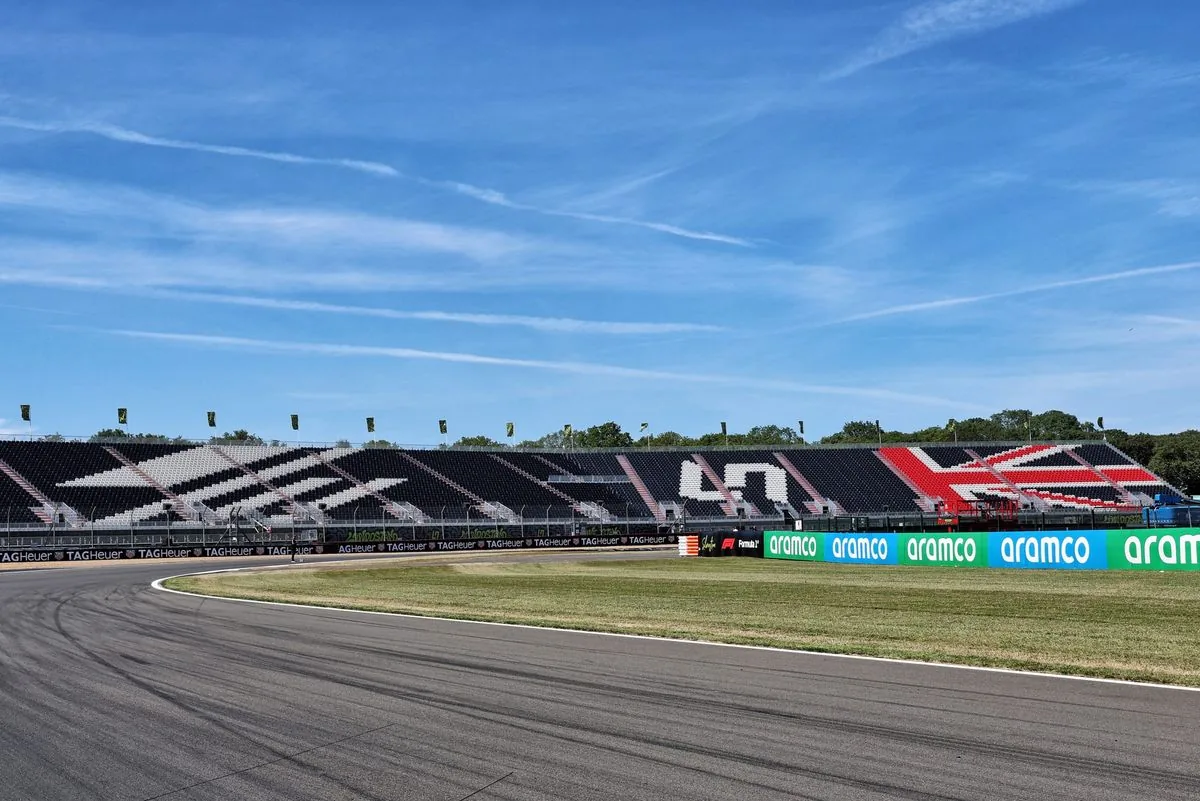
Drivers anticipate a significantly different experience at the British Grand Prix due to new regulations impacting car power on the high-speed Silverstone circuit. Lewis Hamilton, a seven-time world champion, and Lando Norris, have echoed concerns previously raised by Max Verstappen regarding the energy management required, which is expected to negatively affect performance at the track.
Hamilton noted that the power deployment this weekend is likely to be unprecedented. He mentioned that drivers have discussed in their chat how poor the power will be on this track. Cars are expected to run out of battery power, with limited opportunities to recharge the engine. This means the MGU-K, a motor generator unit, will be switched off for a significant portion of the lap, potentially causing difficulties for teams like Ferrari.
Silverstone is considered an “energy-starved” track under the new regulations because the absence of heavy braking areas reduces opportunities for battery recharging. To compensate, drivers may need to use “superclipping” at the end of straights, which involves reducing speed. They might also have to lift and coast, still resulting in a power deficit.
Impact on High-Speed Sections
Hamilton explained that speed traces indicate a loss of deployment when entering Copse corner. Normally, the engine would be at full power through Copse, but this year, it is expected to be coasting down, possibly requiring downshifting while at full throttle to maintain engine revs. He added that Maggotts and Becketts will not feel the same, as drivers might need to lift and coast through these sections, making it a completely different track experience.
Norris agreed with Hamilton’s assessment. He stated that the track will present fewer challenges compared to previous years. He highlighted that the cars have transitioned from being among the fastest in high-speed sections last year to being less challenging this year. Norris specifically mentioned that Copse will not offer the same level of challenge as before, nor will pushing through Maggotts and Becketts feel as on-the-limit.
Fernando Alonso, an Aston Martin driver, described Becketts as having become a “charging station” for the cars. He provided a pessimistic outlook for both this weekend and the upcoming race at Spa-Francorchamps, suggesting that driving the cars will not be enjoyable and could be “quite sad” for both drivers and spectators. Alonso’s experience in the simulator was shared by other drivers, including Alpine driver Franco Colapinto, who hopes the real-life cars perform better than their simulator counterparts.
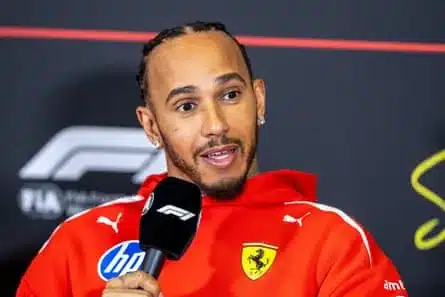
Colapinto noted that tracks like Silverstone, Australia, and Japan/Suzuka were anticipated to be difficult for energy management due to their long straights and minimal braking opportunities. He suggested that some corners might become less like corners, indicating a significant change in driving dynamics. Haas drivers Ollie Bearman and Esteban Ocon also concurred with these concerns, with Bearman stating that high-speed circuits now lack the reward they once offered. Ocon described Silverstone as “quite energy-starved” for these cars, suggesting that only Abbey, the first corner, might retain its high-speed challenge.
Strategic Driving Adjustments
The difficulties in the fast sections of Silverstone may lead to drivers adopting counter-intuitive strategies to optimize speed. It could become more beneficial for drivers to lift off the throttle in certain high-speed corners to aid energy recovery, which can then be used for a speed boost on subsequent straights, rather than constantly pushing to the limit.
Sergio Perez, a Cadillac driver, believes Silverstone will be a significant test for all competitors, despite in-season rule modifications aimed at improving energy management. He noted that other circuits were not as critical regarding energy. Perez suggested that going slower through a corner might ultimately be faster, emphasizing the critical role of delaying throttle application and strategic energy management.
Shintaro Orihara, Honda‘s trackside general manager, highlighted that the energy challenge will largely depend on how quickly drivers can navigate grip-limited corners like Copse and Becketts. He mentioned that while simulator sessions have provided some insights, predicting driver behavior on the track for optimal energy management remains challenging. Colapinto anticipates a lot of “super-clipping,” where cars run at full throttle to recover energy.
Verstappen previously described his simulator experience for Silverstone as so unusual that he “just started laughing,” feeling it was a different track altogether.
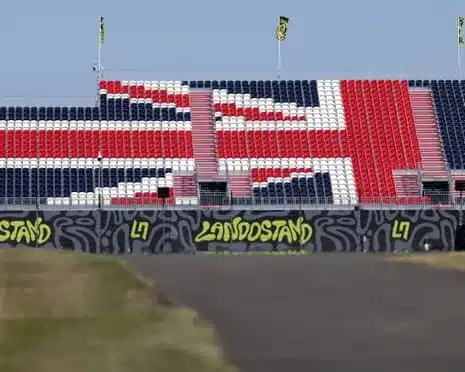
Norris also addressed speculation about Verstappen potentially joining him at McLaren, stating that he would have no issue competing against him in the same car. He expressed confidence in his ability to beat any driver and acknowledged Verstappen’s consistent high-level performance across practice, qualifying, and races. Norris views the prospect of competing against top drivers like Verstappen, Hamilton, or Fernando Alonso as a valuable opportunity for his own development.
The British Grand Prix is scheduled to take place this weekend.
Source: theguardian.com