
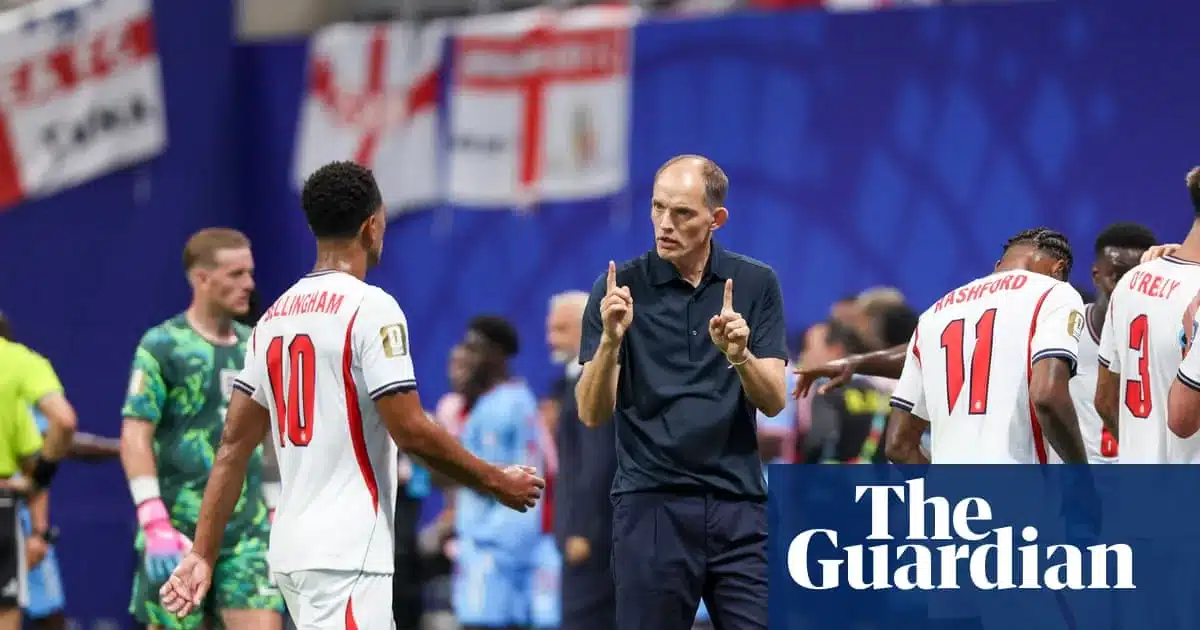
England face Mexico challenge at altitude
England are set to face Mexico in the World Cup last 16 at the Azteca Stadium in Mexico City. The match presents a significant challenge due to the altitude, which is more than 7,000ft (2,200m) above sea level. Head coach Thomas Tuchel had previously suggested this tournament would be defined by suffering, and the team will need to adapt quickly to the conditions.
Mexico have a strong record at the Azteca, having lost only twice in 89 competitive games there. They are also expected to have strong crowd support. England‘s previous experiences in Mexican World Cups have been difficult, including a quarter-final exit in 1986 against Diego Maradona at the same venue.
The team’s recent performance against DR Congo, where they secured a late victory, highlighted some ongoing issues. Harry Kane scored twice to secure the win, preventing what could have been a significant upset. Despite the win, concerns remain about the team’s defensive organisation and creativity.
Tactical considerations for Tuchel
To counter Mexico‘s strengths and the challenging conditions, Thomas Tuchel may consider a more conservative approach. One suggestion is to employ a ‘low block’ tactic, aiming to stifle Mexico and prevent them from exploiting space, particularly on the flanks where they possess pace. This strategy would involve slowing the game down and focusing on set pieces, with Declan Rice‘s deliveries being crucial.
There is also an argument for tactical adjustments in midfield and defence. One option is to remove a winger and use Morgan Rogers as an additional defensive midfielder. Another suggestion involves moving Ezri Konsa to right-back and bringing in John Stones for his experience in central defence, especially after defensive lapses were noted in the match against DR Congo.
The right-back position has been a particular area of concern for England, with various players featuring there. Declan Rice ended up playing at right-back against DR Congo, a move that former England captain Alan Shearer noted worked in contributing to the equaliser. However, other former players like Micah Richards and Wayne Rooney believe Rice‘s energy is too vital in central midfield, particularly given the altitude challenge.

Tuchel‘s squad selections have also drawn attention, particularly regarding the exclusion of natural creative players like Cole Palmer and Phil Foden. While Kane and Jude Bellingham have been key performers, contributing goals and inspiration, there is a recognised need for other players to share the responsibility. Anthony Gordon made a significant impact off the bench against DR Congo, playing a part in both goals.
Squad depth and future reliance
The reliance on Harry Kane and Jude Bellingham has been evident throughout the World Cup campaign. Both players were on target in group stage victories against Croatia and Panama, and were instrumental in the win against DR Congo. While their individual quality is undeniable, questions have been raised about the team’s ability to create and score without their direct involvement.
The roles of other strikers in the squad, such as Ollie Watkins and Ivan Toney, have also been a point of discussion. Toney, a somewhat unexpected inclusion in the squad, has yet to feature in the tournament. Watkins has had limited playing time, with only six minutes as a substitute against Panama. When England needed goals in the draw against Ghana and while chasing the game against DR Congo, neither striker was brought on, with Tuchel opting for other attacking changes.
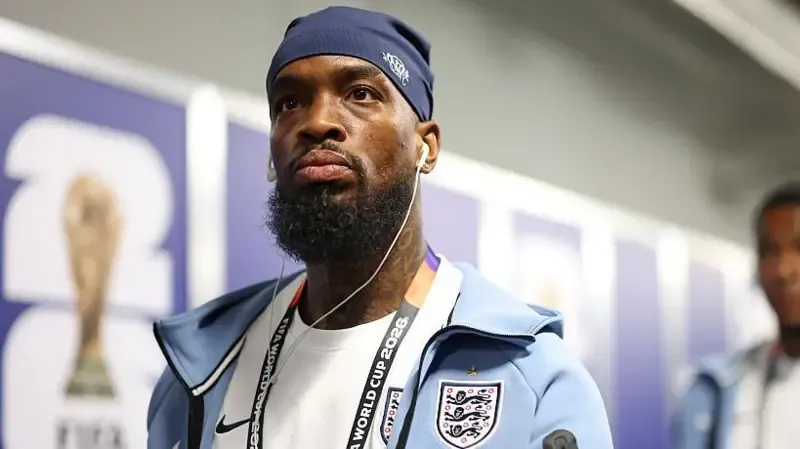
This suggests Tuchel is keeping his options open and potentially managing the fitness of his key players. The team’s ability to manage the initial stages of the match against Mexico without conceding will be crucial, allowing their individual quality to potentially make a difference later in the game. Mexico‘s striker Raúl Jiménez is considered a dangerous player, while Kane has scored 72 goals for club and country this season.
The upcoming match against Mexico at the Azteca Stadium will be a significant test for England, requiring a disciplined and controlled performance to progress in the tournament.
Source: theguardian.com